
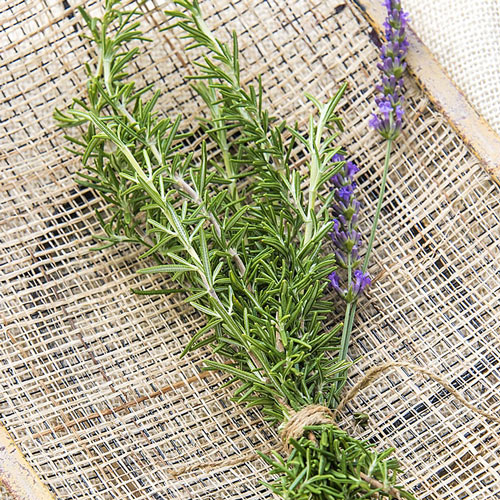
Rosemary is a well-known evergreen shrub that is native to the Mediterranean and used in cooking all over the world. Its leaves can be eaten fresh or dried. It can also be made into tea or infused oil. The medicinal uses of Rosemary have been used for centuries and research confirms rosemary is an important addition to the diet. This fragrant herb is high in Manganese, which is an essential nutrient for metabolic health. Manganese also helps the body to form blood clots, allowing injuries to heal faster. Studies have shown that the acids in rosemary have powerful antibacterial, antiviral, and antifungal properties. Using rosemary regularly can potentially help lower the risk of infection and help the immune system fight infections. Rosemary has a positive impact on reducing anxiety and stress. Who couldn’t use a little help with that these days? Rosemary has also been used for centuries as an aid in memory. Studies in aromatherapy using rosemary have corroborated some of these claims. The phytochemicals in rosemary may also help to improve eye health, regulate liver function, and lower the risk of asthma. It truly is an important player in nature’s pharmacy! Rosemary grows well in most areas. Rosemary is also great for repelling annoying insects such as flies and mosquitoes. Having a rosemary plant by your front door will help to keep those pests from entering your home.
 Nomadic Farmer