The Desert Southwest: Chaco Canyon

The desert has always spoken to me, even though I was born and raised in the mountains. I’m an ectotherm and can relate to the lizards sunning themselves on the hot sandstone. I like being warm. An excerpt from Edward Abbey’s book Desert Solitaire explains my passion for the desert best.

The wind will not stop. Gusts of sand swirl before me, stinging my face. But there is still too much to see and marvel at, the world very much alive in the bright light and wind, exultant with the fever of spring, the delight of morning. Strolling on, it seems to me that the strangeness and wonder of existence are emphasized here, in the desert, by the comparative sparsity of the flora and fauna: life not crowded upon life as in other places but scattered abroad in sparseness and simplicity, with a generous gift of space for each herb and bush and tree, each stem of grass, so that t he living organism stands out bold and brave and vivid against the lifeless sand and barren rock. The extreme clarity of the desert light is equaled by the extreme individuation of desert life forms. Love flowers best in openness and freedom.”

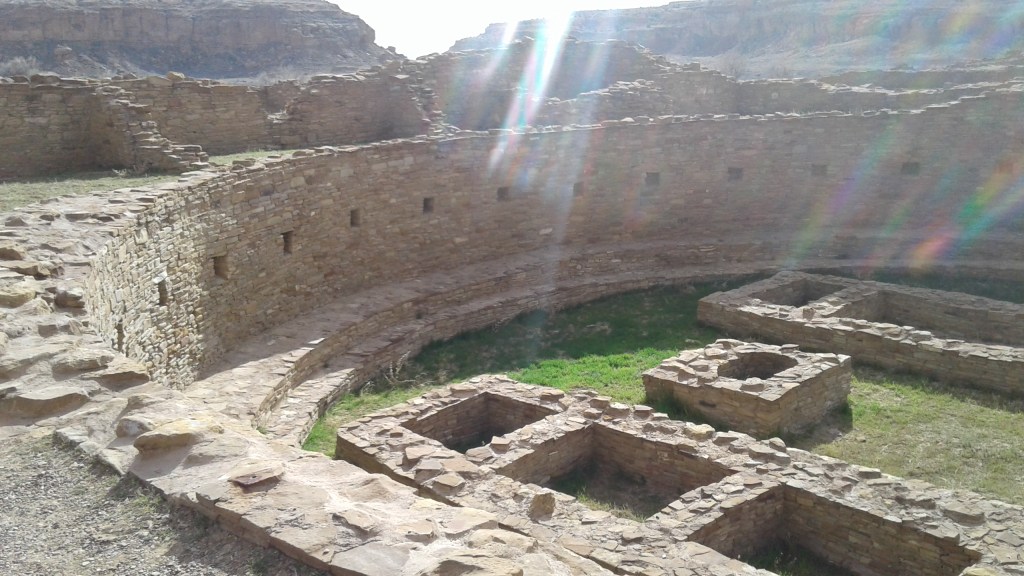
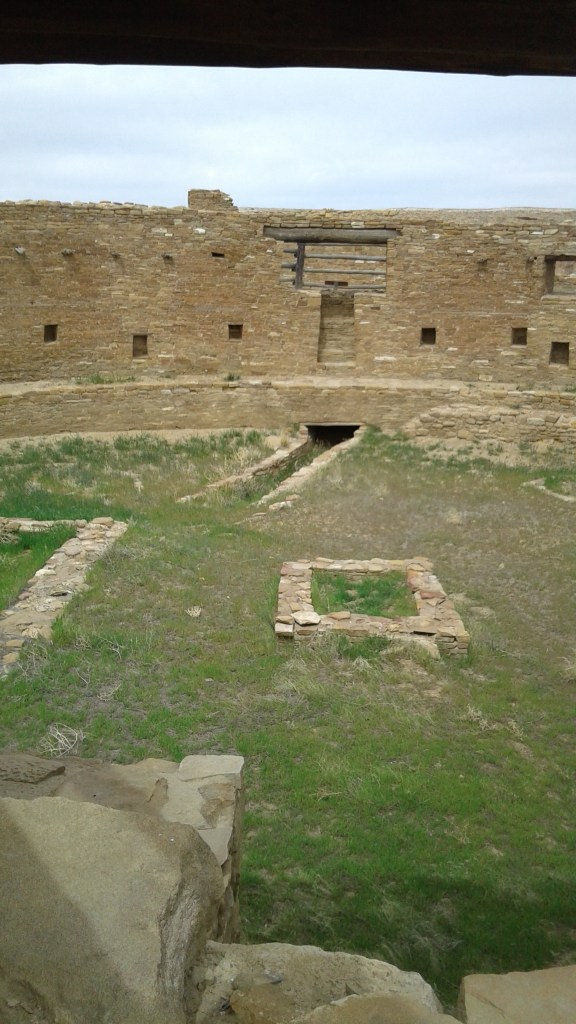
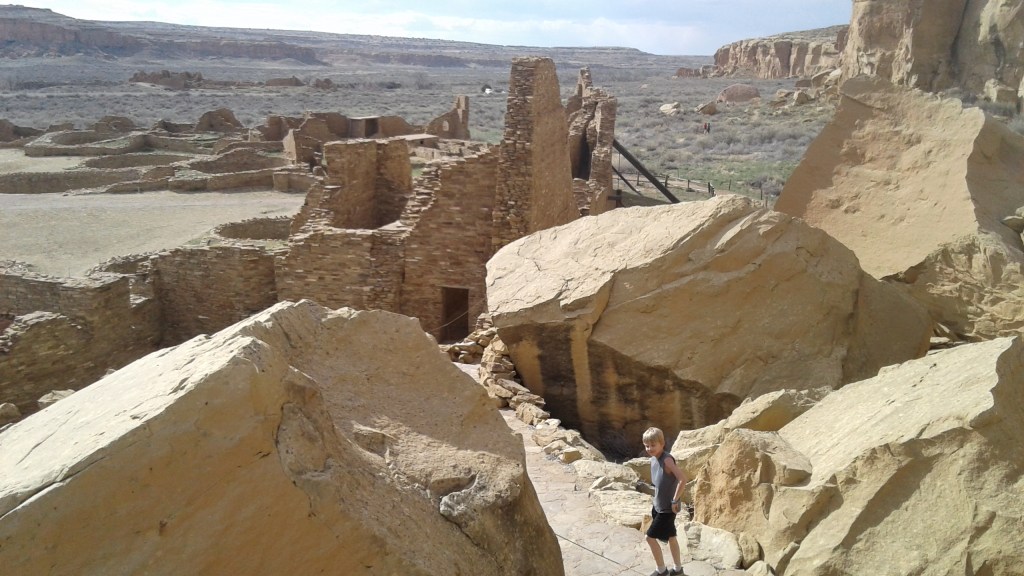
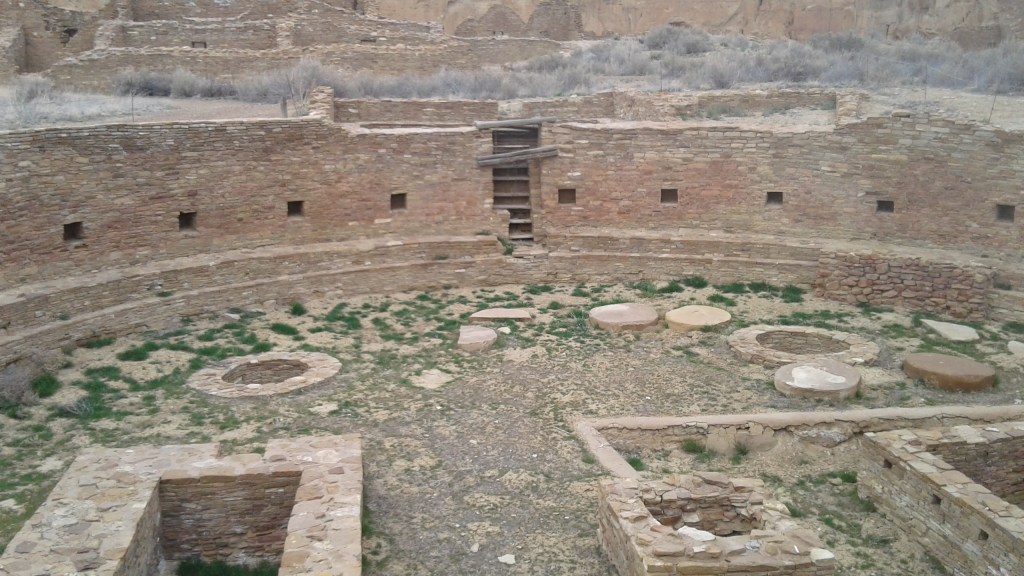
Sometime between AD 850 and 1250, Chaco Canyon, in New Mexico, was a major center of culture for the ancestral Puebloans. The people of Chaco canyon quarried sandstone blocks and hauled timber from great distances, assembling fifteen major complexes that remained the largest buildings ever built in North America until the 19th century. These people built an empire in the middle of nowhere, out of nothing!
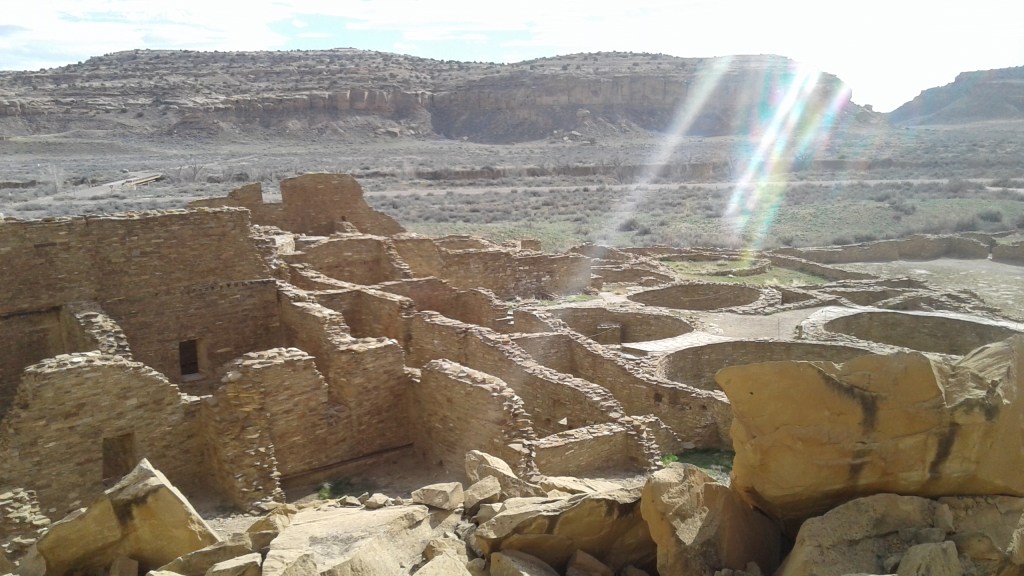
It’s one of the greatest mysteries in North America. Supposedly a whole civilization decided one day to leave everything behind and wander deeper into the desert without anything but the clothes on their back. The theory is that there was no more water, so they left…. The conspiracy theorist in me says something else happened.

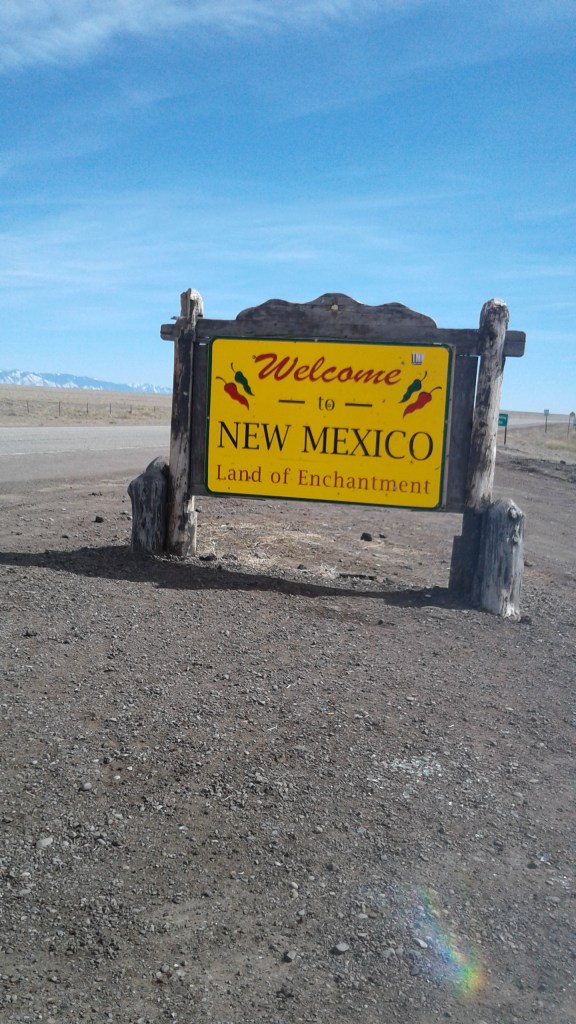
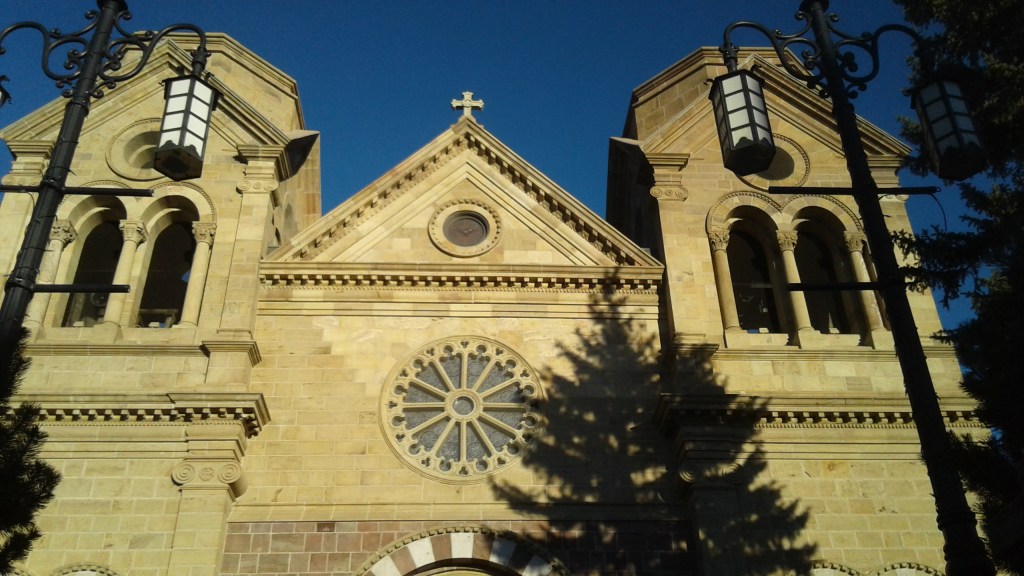
I needed to see it for myself, so I packed the truck and headed south to New Mexico. My son and I stopped in Santa Fe first to check out the art and music scene. I bought some beautiful earrings from a Navajo woman peddling her wares in the hotel parking lot and the next morning we went to Los Alamos for a dose of history. We explored the Science museum and learned about the destructive nature of mankind. From there we explored the Bandelier National Monument and Chaco Canyon. We roamed the rugged and beautiful canyons and mesas and got a feel for how people lived in this unrelenting wilderness 11,000 years ago.
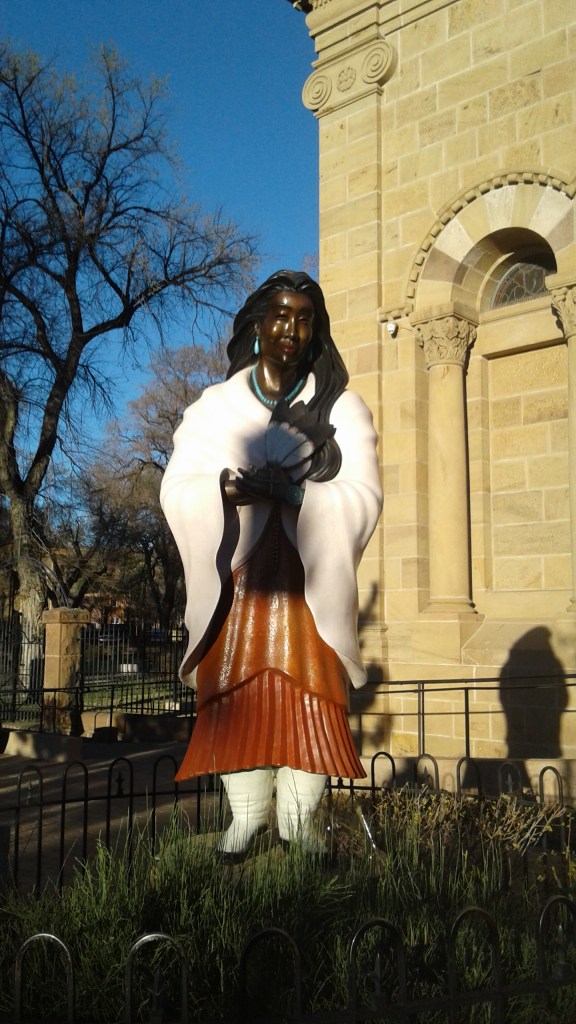
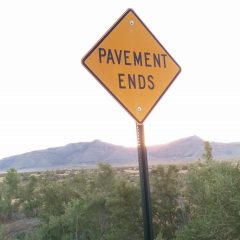
After getting gas and checking our supplies, we drove a good distance from civilization. We turned left down a dirt road and onto the Navajo reservation and followed a rough dirt road for about twenty miles into the canyon.
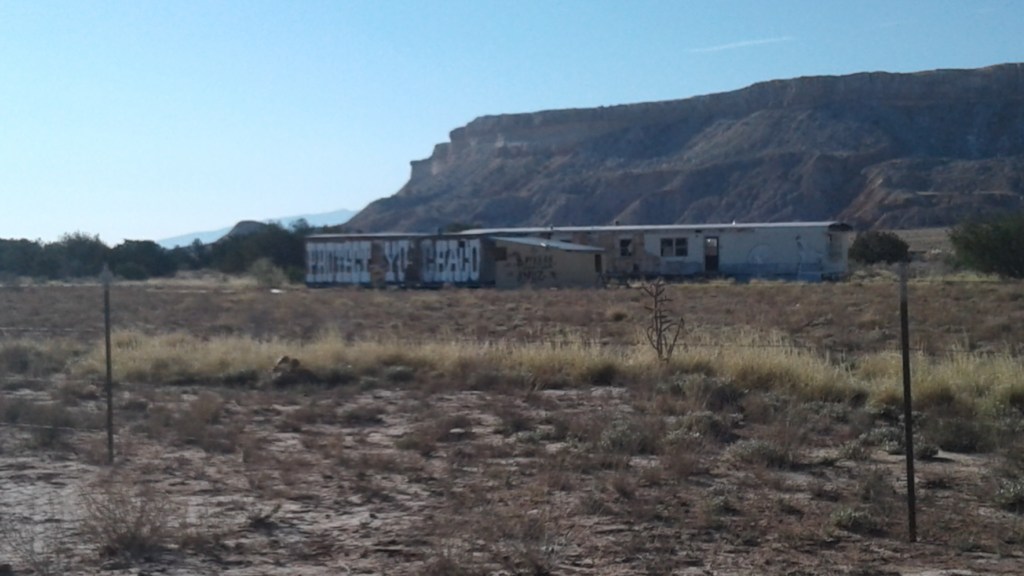
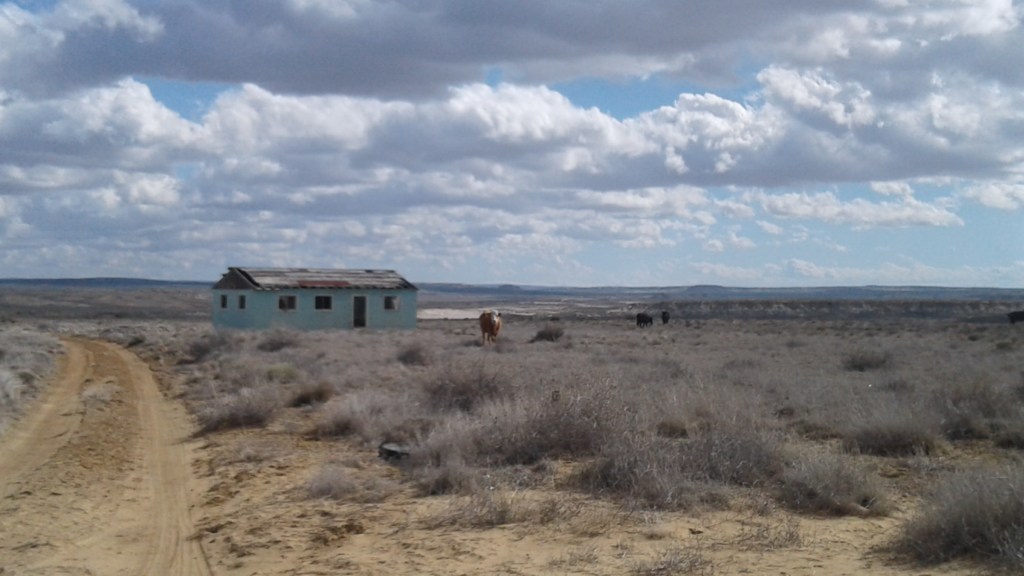
Camp was set up by dusk, and we had supper by the fire. As the sky grew darker, the stars got brighter. We let the fire burn out before crawling into our tent. As I drifted to sleep, I heard the hoot owl call out and coyotes yipping in the distance. Voices of the ancients rang out in my dreams. The sounds of drums and singing and children playing while women talked as they weaved baskets and ground corn.
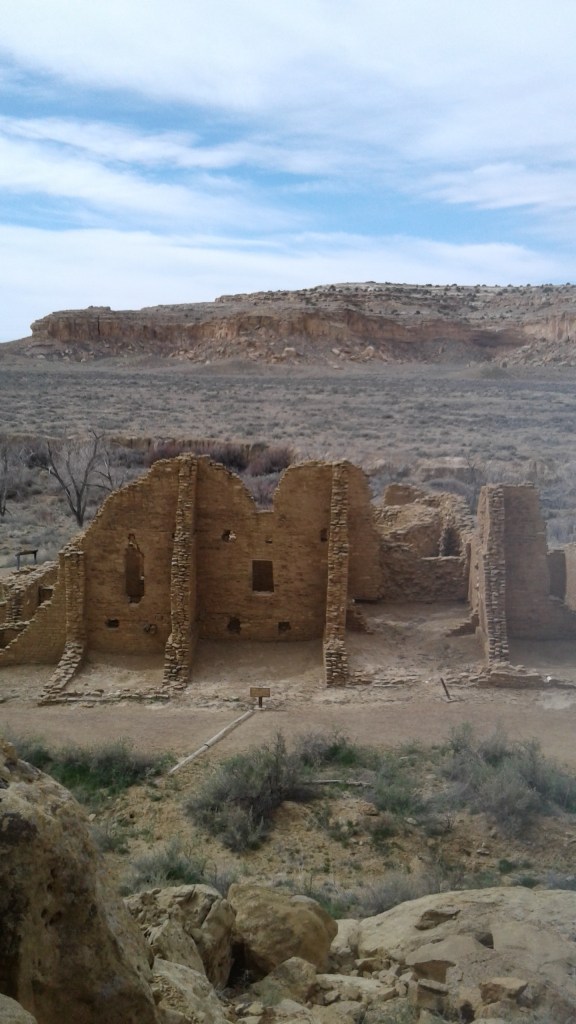
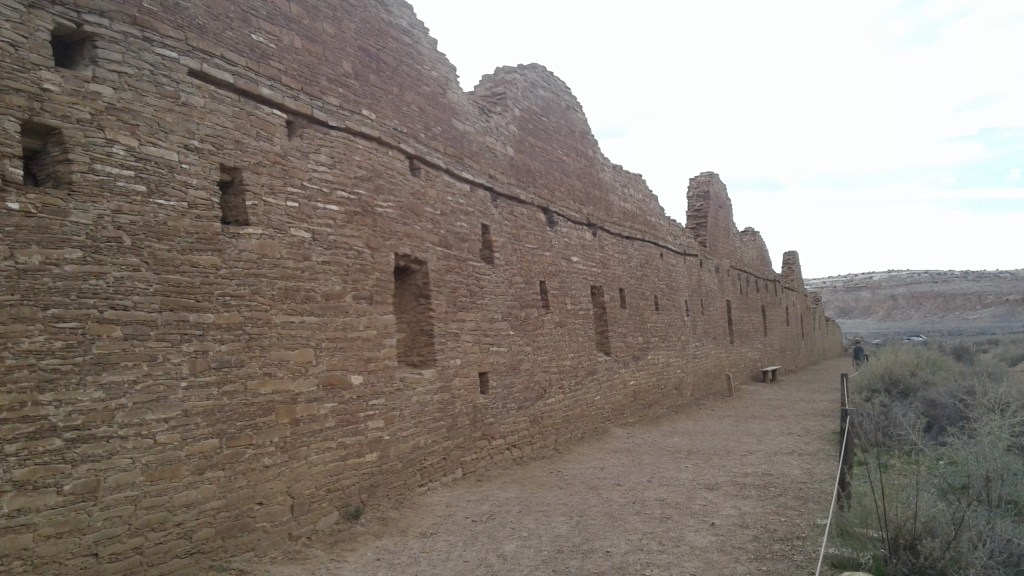
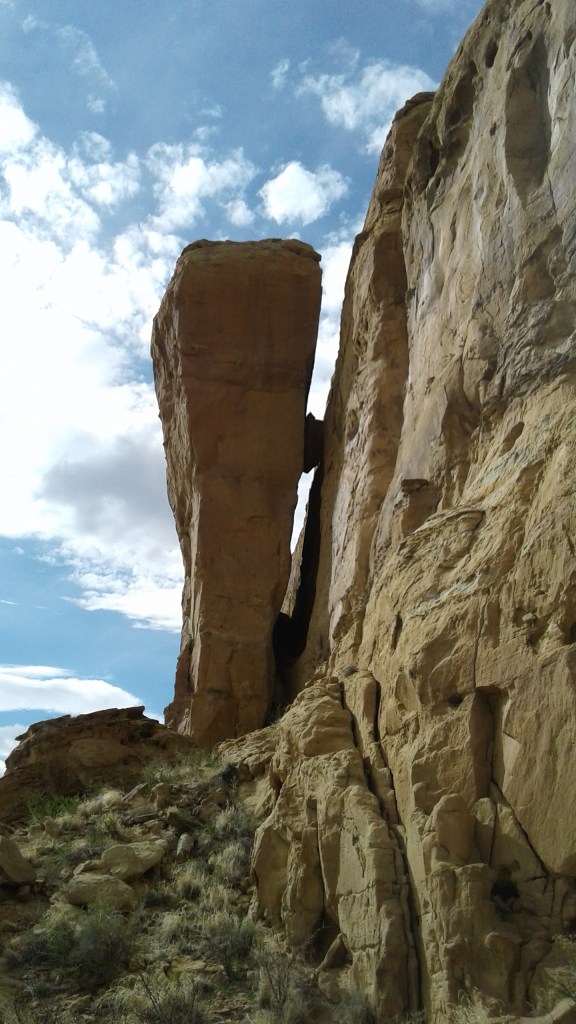
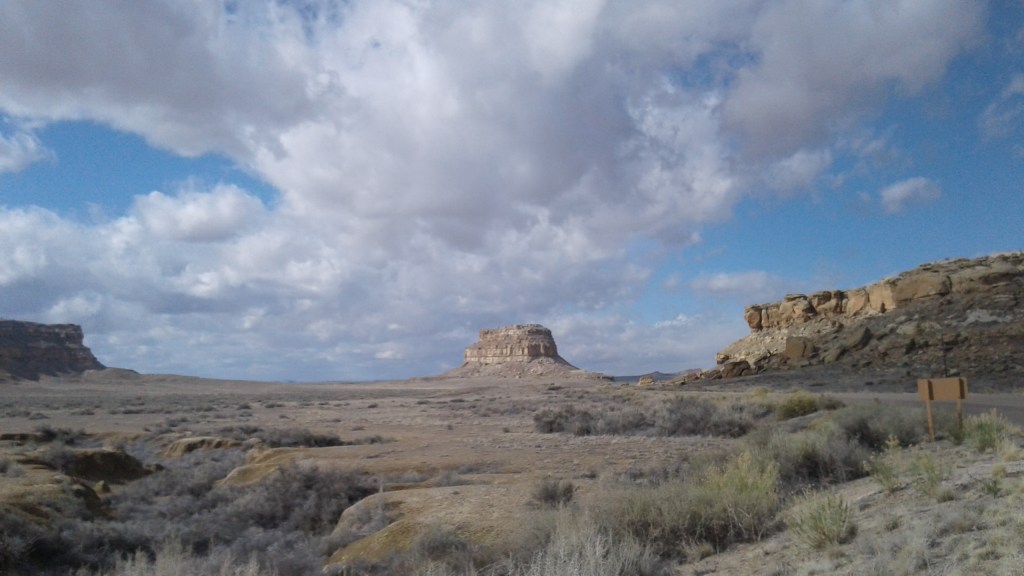
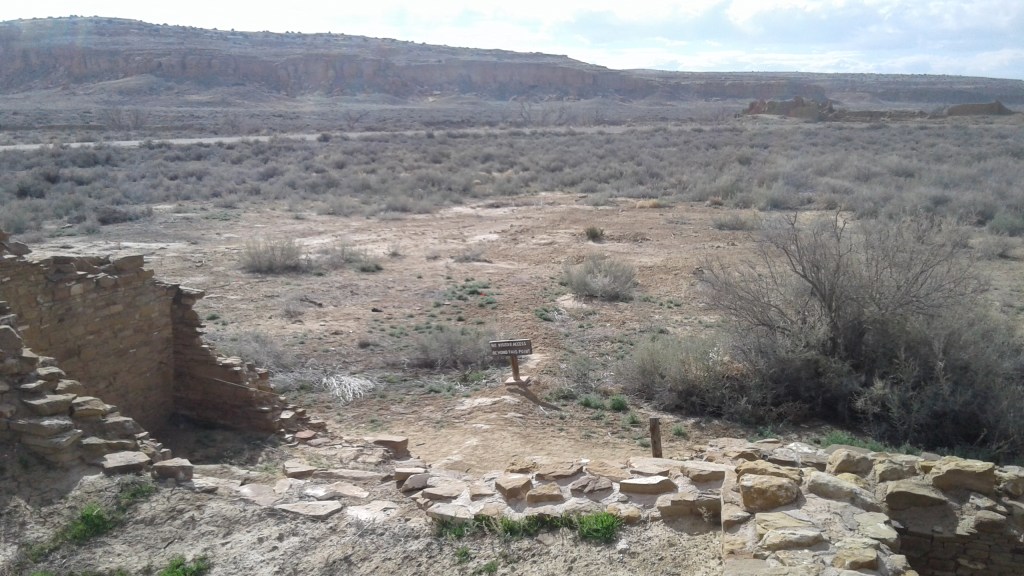
That first sunrise, we arose to a cool morning and a hot pink sky. Fajada Butte in the background drawing our attention. Breakfast consisted of pancakes and coffee over an open fire. We loaded our packs and started walking. The ruins were massive! They were intricate and expansive. I have been a ruin hunter for a long time and I had never experienced anything like that of Chaco canyon. This lent even more credence to my suspicions about what happened there. We couldn’t even cover all the territory that encompassed the entire complex in the three days we were there, as most of the area is off-limits to motorized vehicles. Next time, I will bring the mountain bikes!

The Importance of Growing Your Own Food: Victory Gardens

See the source image

During WWI as well as WWII, victory gardens were an important part of the war effort, not only in America, but in Europe and Australia as well. They were a way to support the troops and be self sufficient. People didn’t have a lot of money and there was a food crisis, a lot like what is happening all over the world today.

Victory gardens boosted morale and brought communities together. People got together to trade seeds and preserve what they harvested. The most commonly grown crops were high carb and nutrient dense. Crops that would store well in root cellars or were easy to can were very important. These were crops such as beans, beets, cabbage, carrots, kale, kohlrabi, lettuce, peas, tomatoes, turnips, squash, and Swiss chard. Many of these crops were easy to store or preserve, which helped people be able to better plan to have food in the winter.

See the source image

The Just-In-Time system of the grocery store chains we have today were not a thing back then. Food was fresh and local. It was not shipped in from all over the world in shipping containers. It was not sprayed with chemicals to inhibit the growth of mold on the long journey. I know what you’re thinking… That’s just gross! And it is gross. According to an article by Business Insider, there are 500,000 shipping containers stuck out at sea.

https://www.businessinsider.com/shipping-containers-stuck-california-ports-combat-shortages-2021-9

Victory gardens weren’t just vegetables. People planted fruit trees and raised chickens, goats and rabbits for eggs, milk and meat as well.

As we have seen with the recent shortages of everything and the shipping backlogs, reliance on the current system is no longer a viable solution. Food prices are skyrocketing and there is an air of uncertainty about how bad it will get before it gets better. Perhaps it is time to take a lesson from the past and get back to the old ways. It’s time to take our lives into our own hands and start growing our own food.

A Brief History of the Tomato

The Tomato’s history can be traced back to the Mayans and Aztecs around 700 A.D. It is because of this that it is believed that the tomato is native to the Americas. A mutation was likely responsible for changing the small two-chambered wild tomatoes into the larger, lumpy, multi-chambered fruits that represent the vast majority of today’s tomatoes. It is the large tomatoes that were nurtured and developed by Central American farmers. The Aztecs named the plant “xitomatl”, or “large tomatl”.

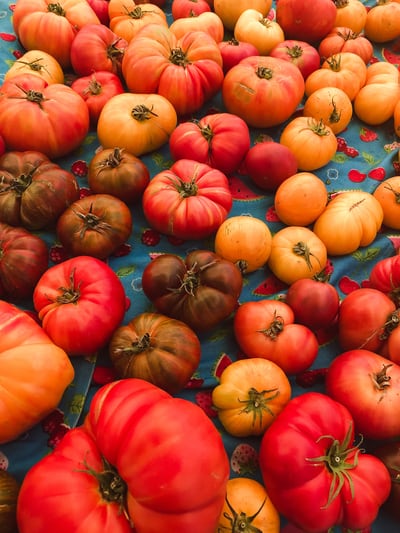
Lumpy tomatoes are beautiful too!

In 16th century Europeans discovered this fruit when the early explorers landed in the Americas and brought them back to their homeland. Throughout Southern Europe, the tomato was embraced and invited into the kitchen. As it travelled north to Great Britain, the tomato encountered resistance because of its resemblance to the Wolf Peach, which is poisonous.

The leaves of the tomato plant are actually poisonous, as are the leaves of all fruits in the deadly nightshade family. This family includes potatoes, peppers and eggplant as well.

Due to the fact that the dishes used by the elite and wealthy of Europe were made of pewter with a high lead content in the 1500’s, many people died after eating tomatoes. Apparently the acidity of the tomato has an adverse reaction to lead…. Poor people, who ate off of plates made of wood, did not have that problem. Therefore, tomatoes were only eaten by poor people until the 1800’s, especially by Italians. Think pizza!

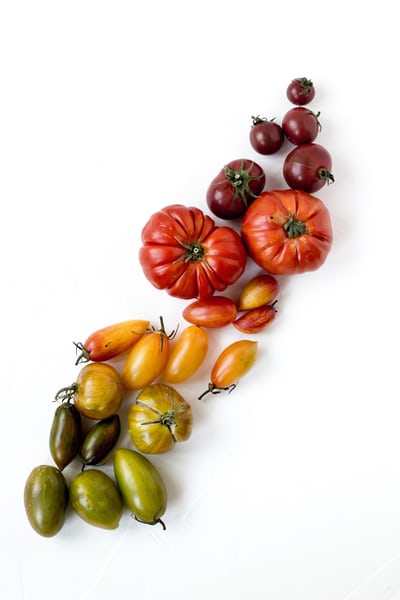
Tomatoes have since become a staple item in most kitchens throughout the world. Every part of the world has its own tomato story. Tomatoes have a huge array of sizes, colors, flavors and uses. Tomatoes have had the biggest impact on Americans though. We consume over 12 million tons of tomatoes each year in one form or another! For example, in the form of ketchup, soups, sauces, on burgers, on sandwiches or as bite sized snacks.

The Three Sisters

According to Iroquois legend, a very long time ago, there were three sisters who lived in a field. The youngest was so small she could not yet walk so she crawled along the ground. She was dressed in green. The middle sister wore a bright yellow dress and loved to dart back and forth across the field. The eldest sister stood tall and straight, and her body would bend with the wind. She had long yellow hair and wore a green shawl. The three sisters loved one another very much and could not imagine living without the others.

One day a little Indian boy came to the field. He was very handsome and knew the ways of the land. He could talk with the birds and the animals and was straight and fearless. The three sisters were very intrigued by this boy as they watched him use his stone knife to carve a bowl or hunt with his bow and arrow.

Late in the summer of the boy’s first visit to the field, the youngest of the three sisters disappeared. She was the one who could only crawl along the ground. She could not even stand unless there was a stick she could cling to, but she was gone, and the other two sisters mourned her until the fall.

The Indian boy returned to the field to gather reeds that grew at the edge of a small stream. He used the reeds to make arrow shafts. The two remaining sisters watched him with fascination. That night, the second sister disappeared.

Now there was only one sister left, the tall and straight sister. She did not bow her head in sorrow, though she mourned deeply and thought she could not live in the field alone without her sisters. As the days grew shorter and colder, her green shawl began to lose its color and her yellow hair became brown and tangled. Night and day she cried for her sisters, but her voice was lost in the wind, and no one heard her.

One day during harvest season, the little Indian boy heard the third sister crying, and he felt sorry for her. He took her in his arms and carried her to his home, and there a wonderful surprise awaited her. Her sisters were there in the lodge, safe and very glad to be reunited. They explained that they had been curious about the little Indian boy and had followed him home. They had decided to stay because winter was coming and his home was warm and comfortable.

The sisters made themselves useful to the boy and his family. The youngest, now all grown up, kept the dinner pot full, while the second sister, still in her yellow dress, dried herself on the shelf so she could fill the dinner pot later in the winter. The eldest sister was so pleased to be with her sisters again and so impressed with the help they gave the boy that she too began drying herself so the family would have meals to eat as the winter went on.

And from that day to this, the three sisters were never separated again.

In many Native American cultures, the three sisters were and still are very important crops. The three sisters consist of corn, climbing beans and squash. Many different varieties can be used but traditionally they are winter squash, common bean and Indian corn. All three can be dried and saved for later use. This was important for native tribes whether nomadic or agrarian.

Corn should be planted first so that it can grow tall enough above the other crops. Plant the beans 2-3 weeks later, or when the corn is a few inches tall. When the beans start sending out their tendrils to climb, the corn will be tall enough to support them. Plant squash seeds 1 week later after the beans have sprouted. You don’t want the large squash leaves to shade out young corn and bean seedlings before they have time to get established.

I love color in my garden so I tend to plant scarlet runner beans and butternut or spaghetti squash. Pumpkin would be good for color too. The runner beans are a deep purple while the butternut is a soft tan and the spaghetti squash is a bright yellow.

The stalks of the corn provide a natural trellis for the climbing beans. The beans fix nitrogen into the soil from the air which is helpful to the corn because corn needs nitrogen to grow well. The large leaves of the squash plants help to retain soil moisture and shade out the weeds.

All three sisters are a staple in American Southwest cuisine today. Throw in some green chilies for some extra kick!