Into The Great Wide Open

I bought a house and my own whole woods! The reality is still setting in… I have dreamt of this for 15 years. It’s finally real. I bought a house. I bought a house on 29 acres. I bought a house on 29 acres! A creek runs through the property. It is heavily wooded with hard woods and butts up to a ridge in the heart of the Ozarks. I have a handful of neighbors and there is a small, unassuming post office in the trees that looks abandoned, or haunted. The closest gas station is 20 miles away. It’s perfect! I’m terrified. I’m elated. I’m at a loss for words…

All those years of fighting against all of the odds, swimming against the current, have finally paid off. I’ve been a single mom for the last 12 years. I’ve lived well below the poverty line the entire time, until I caught a break. It’s your typical “rags to riches” story, except I am still not rich by any stretch of the imagination. Just better off than I was. I have always been stubborn. Downright ornery even. I refuse to let go or give up when I set my mind on something. Call it grit or tenacity. Some may even call it stupidity, but here I am, about to step into the great wide open.

And now the real work begins. I have lists of to-dos. I have a 2-year plan, working on a five-year plan. It will be called Faith Haven Homestead. The orchard & perennial garden will go in this fall (hopefully). I’m planning to also build a chicken coop & start building fence. I can’t wait to get started!

Terrified but Exhilarated

I’ve been chasing a dream for the better part of 12 years. I’ve had great successes & epic failures. There have been many highs & lows. A few detours as well. At this moment I am at the threshold of stepping into the reality of my dream coming true. The work is far from finished. It’s really just begun… As I stand in the doorway, the reality hits me like a roundhouse kick to the face. I can’t do this. I’m one person. One, small, middle-aged female with little to no support system. How the hell am I supposed to build greenhouses, propagate plants, clear land, take care of animals, maintain a garden, run a business, manage a home & work 40 hours a week!? All this time I’ve been running on blind faith & sheer determination, and it’s gotten me where I am, but now what? I have never been one to cower in fear of the unknown. I’ve always been a fighter. A problem solver. A do or die kind of girl and I haven’t died yet. I guess it’s time jump off the cliff into the great wide open & see what happens. This Nomadic Farmer is about to become a rooted Gypsy in the Ozarks of Missouri.

Take The Leap!

Well, I did it… I left my home state of Colorado (yet again) and went east to the greenbelt of Oklahoma. Found a quaint little midcentury house on 1.3 acres on a hill and surrounded by old growth trees. The deer frequent the property every morning and every evening. I have a screened in patio to watch the sunset from. It needs a little work, but nothing I can’t handle. I enjoy these old houses that need some TLC, especially when the landlord is okay with me tinkering with things.

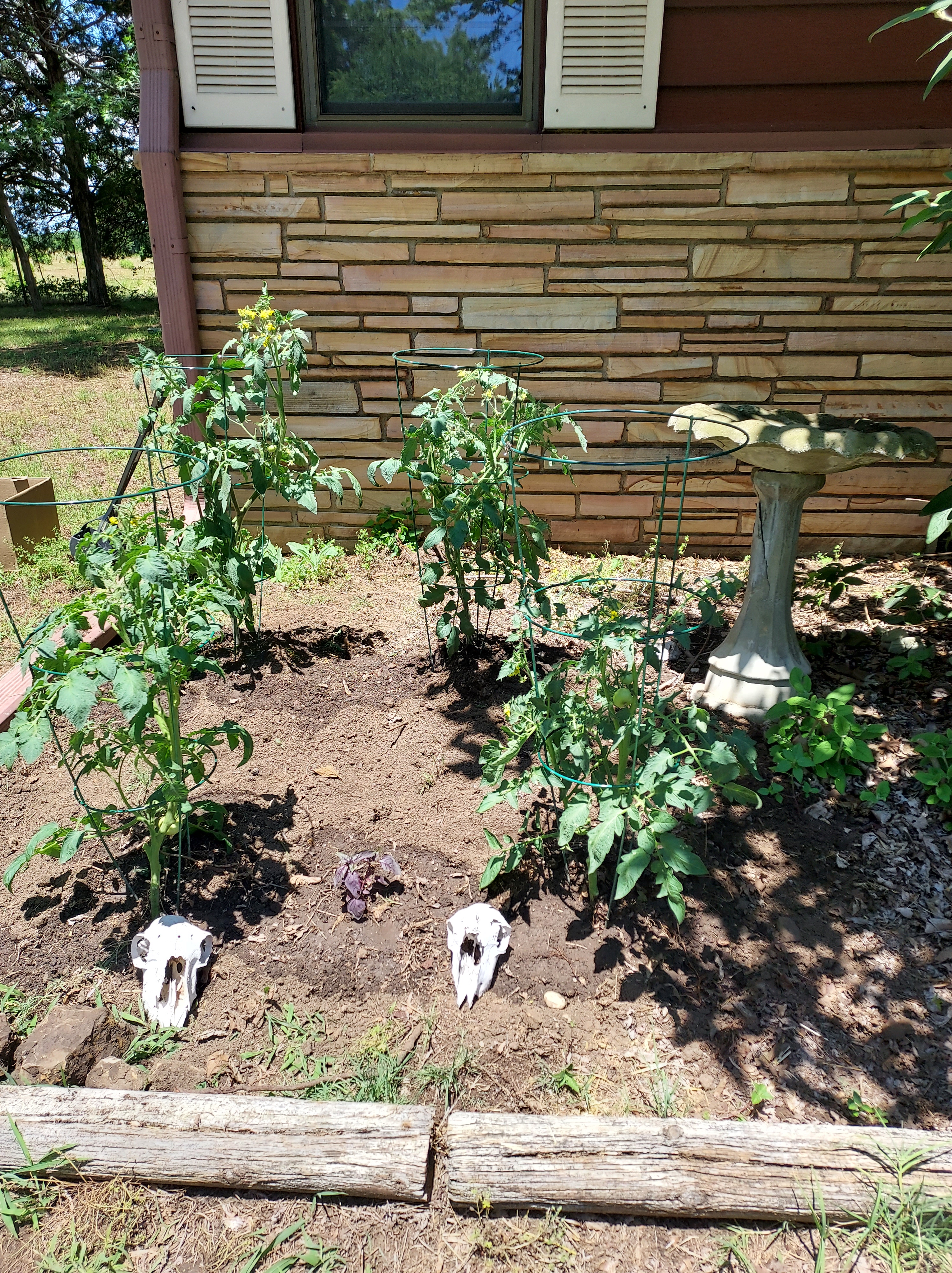
I have big east facing windows to watch the sunrise through. Though I’ve only been here a little over a week, I already have a small garden planted. I planted potatoes in a large Tupperware tote. They rode in the bed of the truck for 1000 miles next to peppermint and chives in large pots. I sent my four small heirloom tomato plants ahead of me with my dad when he was passing through. My brother gifted me some miscellaneous squash and melon plants. It’s too warm to plant lettuce without it bolting immediately, but I bought a jalapeno plant and some onion sets. It’ll be a decent garden.

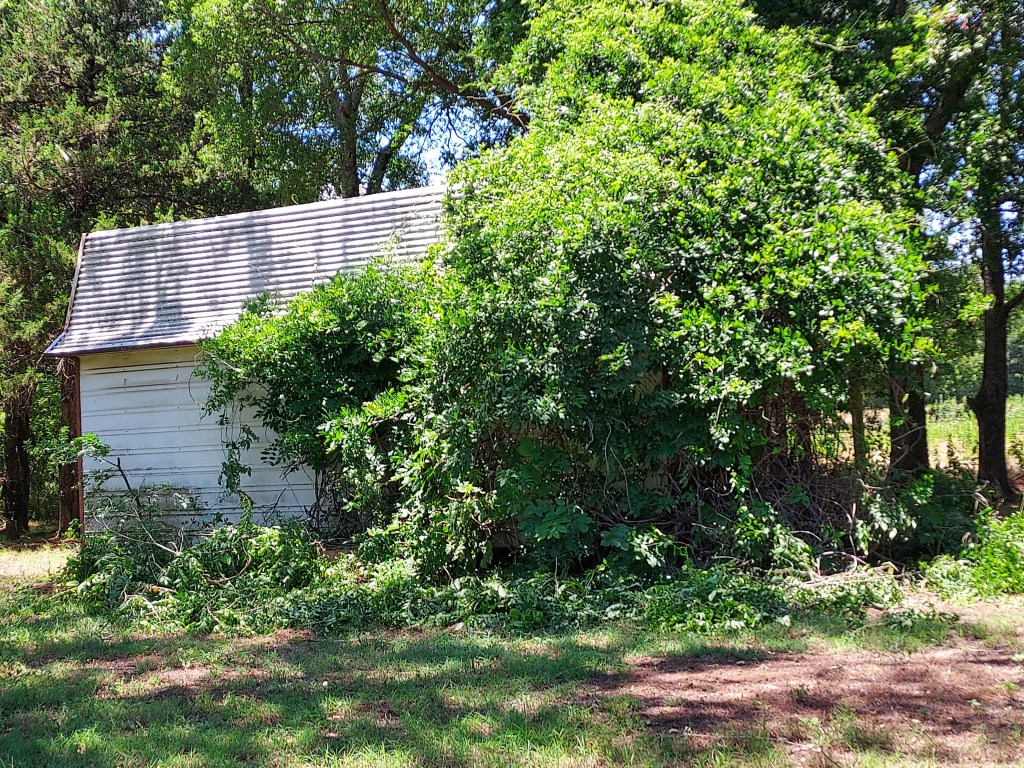
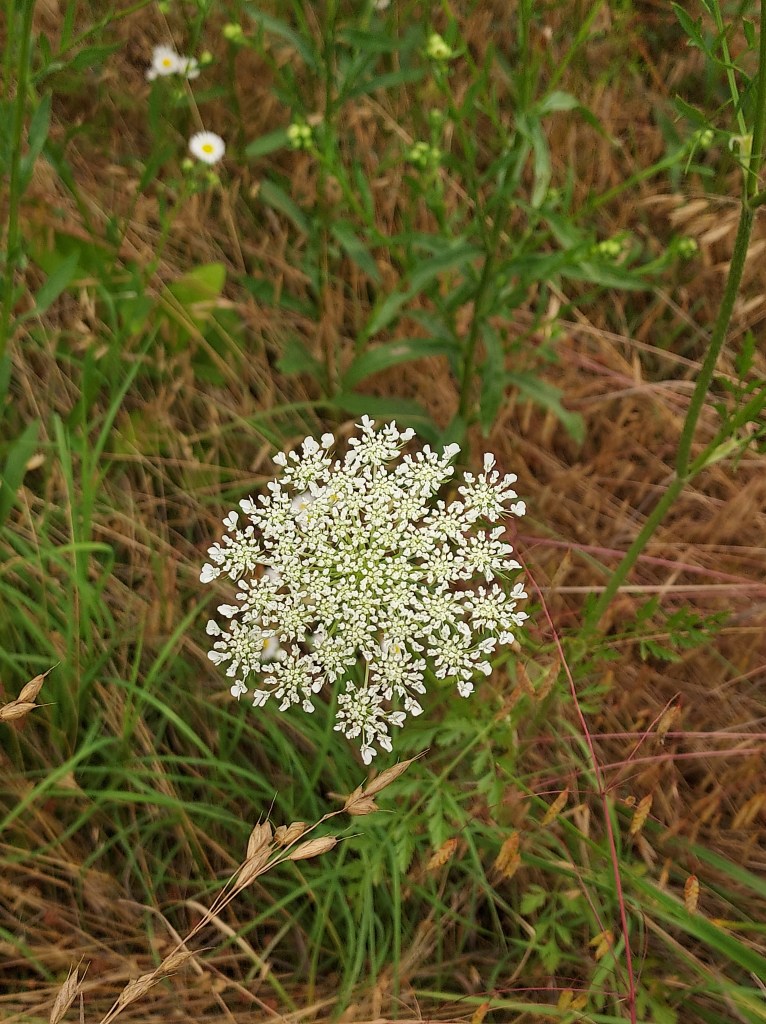
The trees are vibrant with the activity of Cardinals and blue birds and big squirrels. There is a very large nest in the top of one of the trees. I think it may be a Vulture nest, or perhaps some other bird of prey. The shed is overgrown with vines and Queen Annes Lace lines the perimeter of the property. I have much to learn about the local flora and fauna. I would like to do some foraging. This may be a good place to plant some blackberries, but I only have a one-year lease.

My goal is to buy a house and a few acres next spring… It may be time to set some roots, or at least have a base camp. I’m thinking I want chickens and maybe sheep or goats. This nomadic farmer may become a rooted gypsy…

Health Benefits of Oregano

Today is a dreary, rainy, cold March day…. I am longing for my garden. Plotting and planning. Drawing pictures and planting herbs indoors to hold me over to warmer days… One of my favorite herbs is oregano.

Oregano is an herb in the mint family. Peoples all over the world have used it for thousands of years to add flavor to dishes and to treat many health conditions. It is most notable in Latin and Mediterranean dishes. The Greeks and Romans associated oregano with joy and happiness and this herbs name comes from the Greek words “oros,” meaning mountain, and “ganos,” meaning joy. There are quite a few different types of oregano. The most common type is Oregano vulgare, also known as Spanish thyme and wild marjoram.

Oregano is an important herb in many cuisines around the world (and in my kitchen!) It has a strong flavor and aroma that brings warmth and a subtle sweetness to many dishes. It can be used fresh, dried or as oil making it super easy to add to your diet and your “medicine cabinet”. Either way it is used is shown to have significant health benefits. Even in small quantities, oregano contains some important nutrients. Just one teaspoon of dried oregano provides about 8% of your daily vitamin K needs. From helping fight bacteria to reducing inflammation, studies have shown oregano’s impressive potential benefits.

Oregano is rich in antioxidants. These are compounds that help fight inflammation and damage from harmful free radicals in the body. Oregano also contains potent antibacterial properties. In addition to fighting off bacteria, some studies have found that oregano and its components may also protect against some viruses. Throughout the centuries, oregano has been known to treat many ailments, including skin sores, acne, aching muscles, asthma, cramping, diarrhea, indigestion, and the common cold. According to the National Library of Medicine, some of the ailments people use oregano for are croup, bronchitis, urinary tract infections, headaches, diabetes, ringworm, and as an insect repellant. Oregano is very easy to grow, even here in the hot sandy soil of western Colorado. It starts as a ground-hugging rosette of leaves but can grow to about 2 feet tall. Plant in the spring in well-drained soil with at least 6 hours of full sun. Please be aware that oregano is toxic to pets, so if you grow it, be mindful of where you plant it.

The Benefits of Rosemary

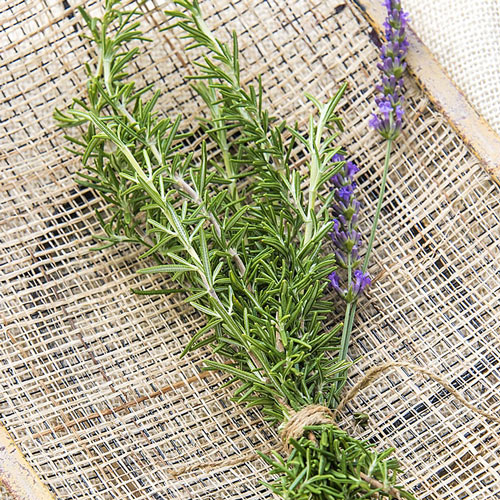
Rosemary is a well-known evergreen shrub that is native to the Mediterranean and used in cooking all over the world. Its leaves can be eaten fresh or dried. It can also be made into tea or infused oil. The medicinal uses of Rosemary have been used for centuries and research confirms rosemary is an important addition to the diet. This fragrant herb is high in Manganese, which is an essential nutrient for metabolic health. Manganese also helps the body to form blood clots, allowing injuries to heal faster. Studies have shown that the acids in rosemary have powerful antibacterial, antiviral, and antifungal properties. Using rosemary regularly can potentially help lower the risk of infection and help the immune system fight infections.  Rosemary has a positive impact on reducing anxiety and stress. Who couldn’t use a little help with that these days? Rosemary has also been used for centuries as an aid in memory. Studies in aromatherapy using rosemary have corroborated some of these claims. The phytochemicals in rosemary may also help to improve eye health, regulate liver function, and lower the risk of asthma. It truly is an important player in nature’s pharmacy! Rosemary grows well in most areas. Rosemary is also great for repelling annoying insects such as flies and mosquitoes. Having a rosemary plant by your front door will help to keep those pests from entering your home.

Companion Planting: How to Make the Most of a Small Space

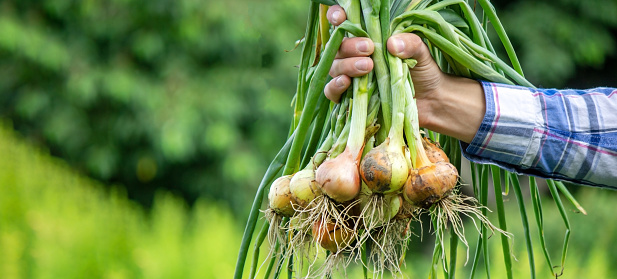
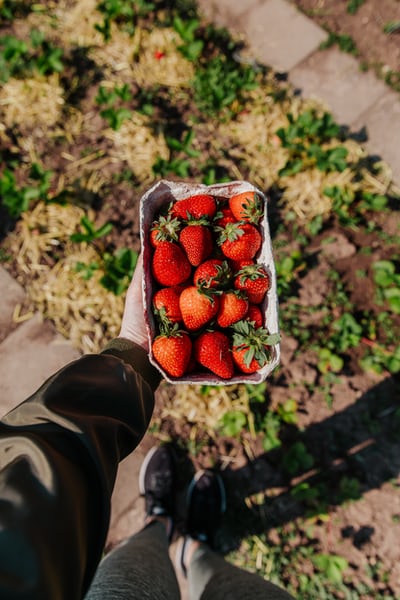
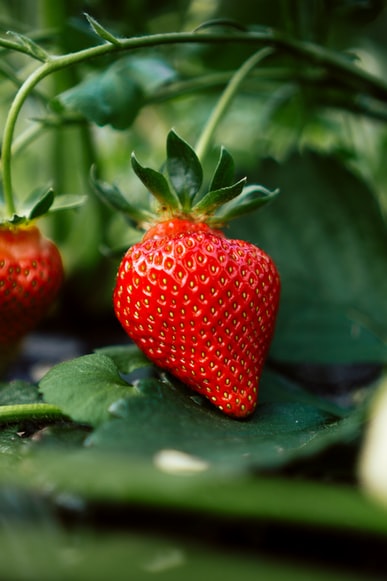
While living in California, I had my first encounter with companion planting. I came upon a roadside fruit stand selling strawberries and, of course, could not resist. Across the road was the man’s strawberry plot. The plot was edged by onions. The onions made a nice border, but I was curious why he chose them instead of some colorful flowers. I asked him why he planted onions around the strawberries, and he told me that the onions help to protect the berries from bugs. I asked him if he sold the onions as well, and he said yes, when they’re ready. It was a small plot, perhaps 15 feet by 15 feet but it would provide him at least two crops for his roadside stand.

Intrigued, I went home and started to ponder my own small space and what I could grow in it. Container planting is great but if you have a sunny piece of ground, you can do a lot with it. Companion planting will help you make the most of your sunny patch. One of my favorite books on this subject is Carrots Love Tomatoes by Louise Riotte.

Herbs like basil, sage, thyme and oregano increase the flavor of tomatoes and peppers. These same herbs help to protect cauliflower and broccoli from pests due to their strong aroma. Plants are like people in many ways. Some plants just don’t get along. Some plants thrive in dry sandy soil and some thrive in a rich, moist environment. Some need more sun than others and some need more space than others. Some plants like it warmer and some like it cooler. Some are more susceptible to pests and some just won’t put up with them.

Anything in the legume family is beneficial to corn, cucumbers, potatoes and spinach, since legumes fix nitrogen to the soil from the air and these plants need more nitrogen than other plants. Legumes, in general, are peas and beans. Green beans, wax beans, Lima beans, black beans, etc. Beans have a negative impact on the onion and cabbage families (allium and cruciferous). These plants include leeks, chives, garlic, kale, broccoli, cauliflower and brussels sprouts.

Carrots aerate the soil for tomato plants, and really anything in the nightshade family. The nightshade family consists of eggplant, tomatoes, peppers and potatoes. They also do well with the onion family, lettuce, radishes and parsley. Carrots do not do well with celery or dill until after they are harvested and put in a dish together… Cabbage does well with potatoes and most herbs but they do not like basil or beans.

Cucumbers are some of the most easy going plants I have ever met. They are easy to grow and very versatile. They get along with almost everyone in the cabbage family, legume family and the nightshade family. Cucumbers don’t do well with potatoes or the aromatic herbs like sage, rosemary or basil though.

One would never guess by looking at it, but lettuce belongs to the daisy family! Lettuce is a diva and does best in her own space or with some of the cruciferous vegetables. Definitely not kale or cauliflower. Lettuce also does not appreciate the strong chemicals put out by the allium family because they hinder her growth.

Peppers will thrive with practically everyone else, except fennel and kohlrabi. Peppers find fennel to be antagonistic and kohlrabi to be strange. Peppers aren’t wrong either, almost all vegetable plants agree that fennel can be a bit hostile…. As you can see, this is an in depth and complex topic. Almost as complex as understanding the human mind. Don’t let this intimidate you! You don’t have to grow everything! Grow what you eat and figure out who those plants get along with and everything will be fine.

Happy planting!

Soil Health: Directly Related to Your Health

No one thinks about soil seriously. I mean, it’s just dirt, right? As one of my former employers once said, “Dirt is what is under your fingernails. Soil is a medium for growing healthy plants”. Many of us think of soil as special dirt we get in a bag at the local garden center, but there is much more to it.

Soil, when healthy, is a vital living ecosystem that sustains all life above and underneath the ground surface. Building and caring for soil is imperative to producing nutrient dense food. With the advent of monoculture, soils have become depleted of important minerals. Without healthy soil, food becomes nutrient deficient. This then becomes a domino effect, directly related to your health. If the soil is unhealthy, the food is deficient, which means you are too!

You may think you are eating healthy because you are eating fruits and vegetables, but if those foods are grown in poor soil with synthetic fertilizer, you are not reaping any benefits. Maximizing production for a global market and increasing profit has been the main drivers for industrial mono-cropping. In order to mass produce thousands of acres of one type of crop, heavy use of pesticides, herbicides and synthetic fertilizers is necessary. Organic farming on that scale is very difficult, if not impossible.

brown pathway between green leaf plants

Corn, for example, needs high levels of nitrogen and large amounts of water to grow. Corn is literally in everything you buy! It is in your car’s fuel tank in the form of ethanol. It’s in things like cosmetics, toothpaste, shampoo, crayons and Windex. Don’t believe me? Check this out https://kscorn.com/wp-content/uploads/2017/07/Common-Items-Containing-Corn.pdf

The problem with monoculture is that nothing in nature grows that way. Monoculture practices make the plants and the soil susceptible to diseases and insects. The use of herbicides and pesticides and synthetic fertilizers makes pests and weeds mutate so that stronger chemicals need to be used over time. These chemicals kill the microscopic life in the soil and eventually makes it into the ground water.

brown and black abstract painting

In nature, plants have a symbiotic relationship with each other. Some plants help other plants grow by protecting them from pests or by building the soil. In the home garden, this is called companion planting. I will write more on this topic later.

Soil health is important for many reasons. It has only been recently that private companies, government agencies, and non-profits have begun to recognize the value of soil health and the ecosystems healthy soils entail. Soil improvement can restore surface and ground water quality as well as reduce erosion and desertification. There are many simple ways to improve even the worst soils.

brown wooden house near green trees and river during daytime

Adding mulches and composts are the most common. Planting cover crops such as oats, peas and clover that will die off in winter is very useful. They will provide nutrients back into the soil in the spring. Animal manure, such as sheep, goat, chicken and horse, will help immensely. Leaving your plot of land lay fallow for a season or two is also great for letting the microbiomes and organisms recuperate. This is a very large topic and even a science unto itself. Building healthy soil is a practice that takes time, but it is worth the effort in the long run.

The Importance of Growing Your Own Food: Where to start?

See the source image

I cannot reiterate enough how important it is to start growing your own food, right now. All one has to do is look at the condition of the world on every level, and it becomes very clear, if it’s not already, that something, a lot of things, are very wrong. Food prices are going through the roof. Shelves are becoming more and more bare with each passing week. Our Just-In-Time system is collapsing due to worker shortages, resource shortages, tariffs and strikes. All of this can be unnerving and even scary if you’re not prepared and don’t know what to do. My intention in writing this is not to scare you, but to help you be more prepared to endure whatever may come.

The prudent see danger and take refuge, but the simple keep going and pay the penalty.

Proverbs 22:3

If you have never gardened before and you don’t have a “green thumb”, do not let that discourage you. It’s ok to start small, as long as you start. You do not need a huge backyard or a farm to grow your own food. Modern technology has provided a myriad of ways to produce your own food right in your kitchen. I was in Walmart the other day and I saw mini hydroponic grow kits for sale for $50-$80. https://www.walmart.com/search?q=aerogarden&typeahead=Aero

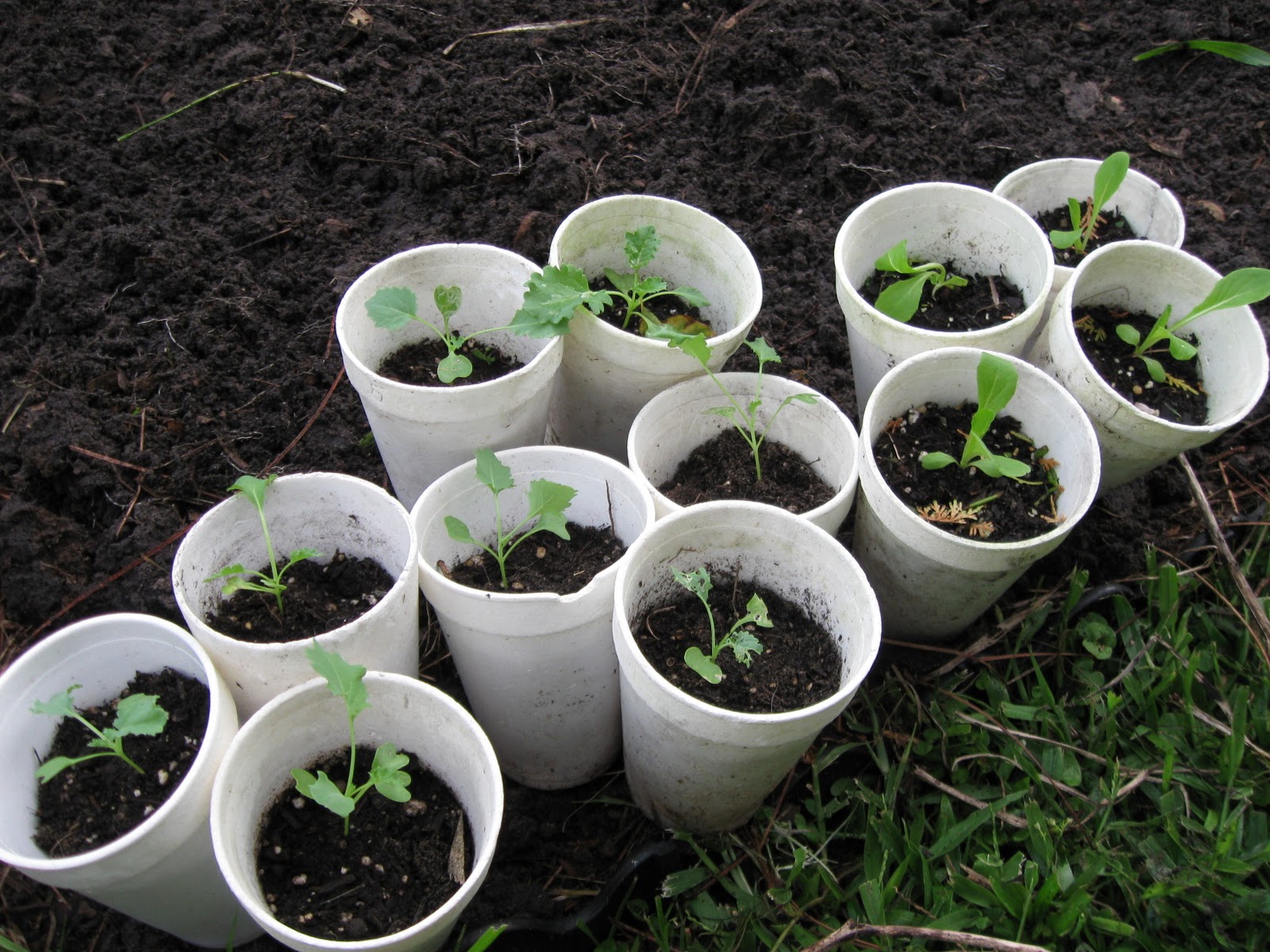
If you have a patio or even a good south facing window, you can grow many different varieties of food plants. There are dwarf varieties that only require a 6 inch pot and sunlight. I grew dwarf cherry tomato plants and dwarf pea plants this year and they were very prolific!

You can grow things like lettuce, beets, onions, carrots, peppers, strawberries and herbs in pots on your patio.

Image result for growing food in pots

You can grow potatoes in large Tupperware totes! Seeds are cheap and most seed companies send out free seed catalogs. All you have to do is sign up for their mailing list! One of my favorites is http://rareseeds.com

Sadly, people have misconceived notions about gardening. The days of digging and pulling weeds and breaking your back are gone. Modern technology has made it easier than ever to provide yourself with basic sustenance regardless of how much space you have. Even if you just grow a salad garden, or a salsa garden, or an herb garden, you are doing yourself a favor by learning a valuable skill and saving yourself money on food in the long run. Just remember, it doesn’t matter where you start, just start!

See the source image

The Importance of Growing Your Own Food: Victory Gardens

See the source image

During WWI as well as WWII, victory gardens were an important part of the war effort, not only in America, but in Europe and Australia as well. They were a way to support the troops and be self sufficient. People didn’t have a lot of money and there was a food crisis, a lot like what is happening all over the world today.

Victory gardens boosted morale and brought communities together. People got together to trade seeds and preserve what they harvested. The most commonly grown crops were high carb and nutrient dense. Crops that would store well in root cellars or were easy to can were very important. These were crops such as beans, beets, cabbage, carrots, kale, kohlrabi, lettuce, peas, tomatoes, turnips, squash, and Swiss chard. Many of these crops were easy to store or preserve, which helped people be able to better plan to have food in the winter.

See the source image

The Just-In-Time system of the grocery store chains we have today were not a thing back then. Food was fresh and local. It was not shipped in from all over the world in shipping containers. It was not sprayed with chemicals to inhibit the growth of mold on the long journey. I know what you’re thinking… That’s just gross! And it is gross. According to an article by Business Insider, there are 500,000 shipping containers stuck out at sea.

https://www.businessinsider.com/shipping-containers-stuck-california-ports-combat-shortages-2021-9

Victory gardens weren’t just vegetables. People planted fruit trees and raised chickens, goats and rabbits for eggs, milk and meat as well.

As we have seen with the recent shortages of everything and the shipping backlogs, reliance on the current system is no longer a viable solution. Food prices are skyrocketing and there is an air of uncertainty about how bad it will get before it gets better. Perhaps it is time to take a lesson from the past and get back to the old ways. It’s time to take our lives into our own hands and start growing our own food.

Dream Job

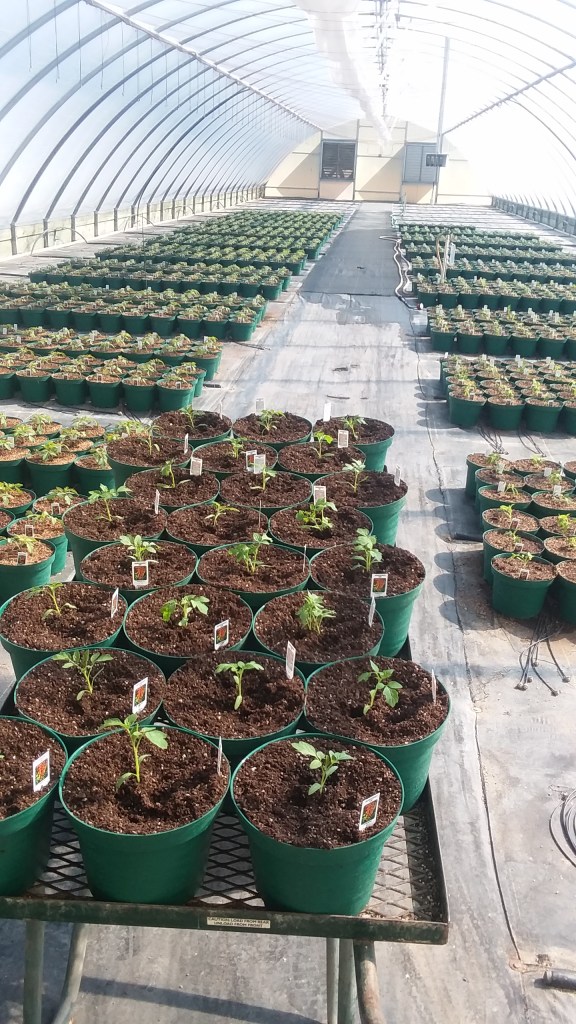
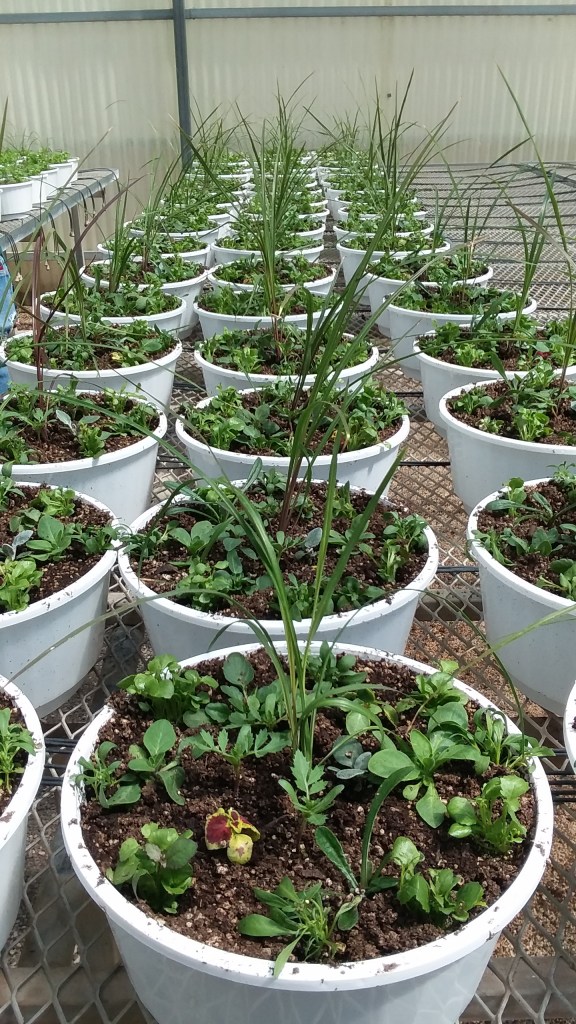
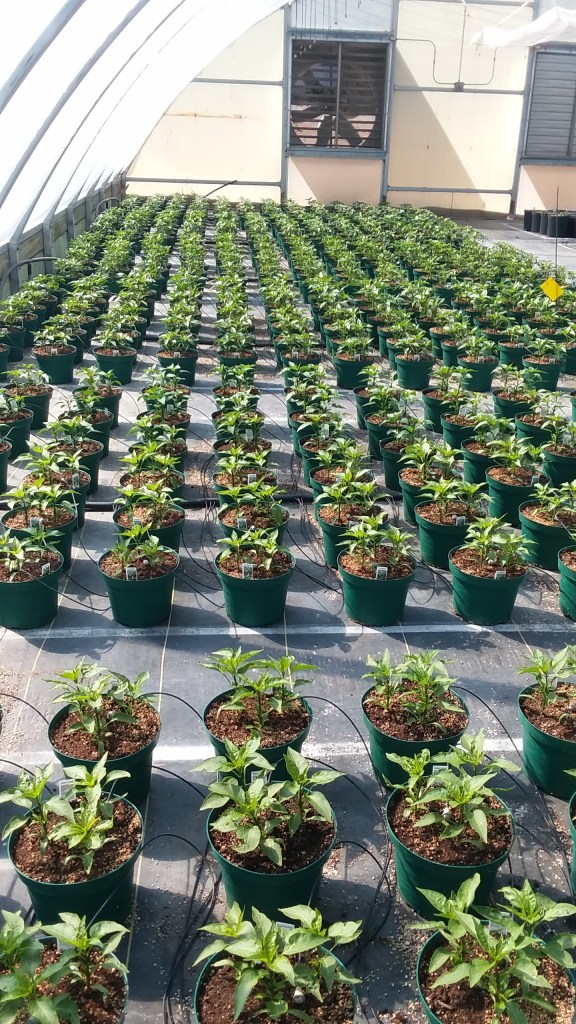
In the Spring of 2007, shortly after I got out of the military, I got a job at a plant nursery in Virginia Beach, VA. This is where I discovered my love of all things plant. Fast forward to Spring of 2021, I received a phone call from a greenhouse that I had previously worked for. They asked if I would like to come back and help them with their bedding plants. I said yes and started the following Monday.

Transplanting brings me joy!

The prospects of what these tiny baby plants will become in just a few short months makes me smile from the inside out.

Fresh food and bright colors that will fill home gardens. People’s satisfaction of being able to put food on the table and decrease grocery costs. Enjoyment of a beautiful flower basket on a patio table at a family barbeque.

I have worked at a few greenhouses and nurseries over the years. I’ve worked on many different kinds of farms as well. I have had experience in everything from vineyards to orchards to vegetable farms and even with hemp. I have learned so much over the years and there is still so much to learn but it never gets old.

Since that first experience in Virginia, I have dreamed of starting my own greenhouse/farm type business. Working with plants is my dream job! It’s not an easy job by any means. It’s hot and it’s dirty, it’s heavy lifting and long hours, but it’s my happy place. I honestly can’t think of anything else I’d rather do!