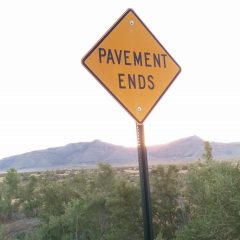
The desert has always spoken to me, even though I was born and raised in the mountains. I’m an ectotherm and can relate to the lizards sunning themselves on the hot sandstone. I like being warm. An excerpt from Edward Abbey’s book Desert Solitaire explains my passion for the desert best.
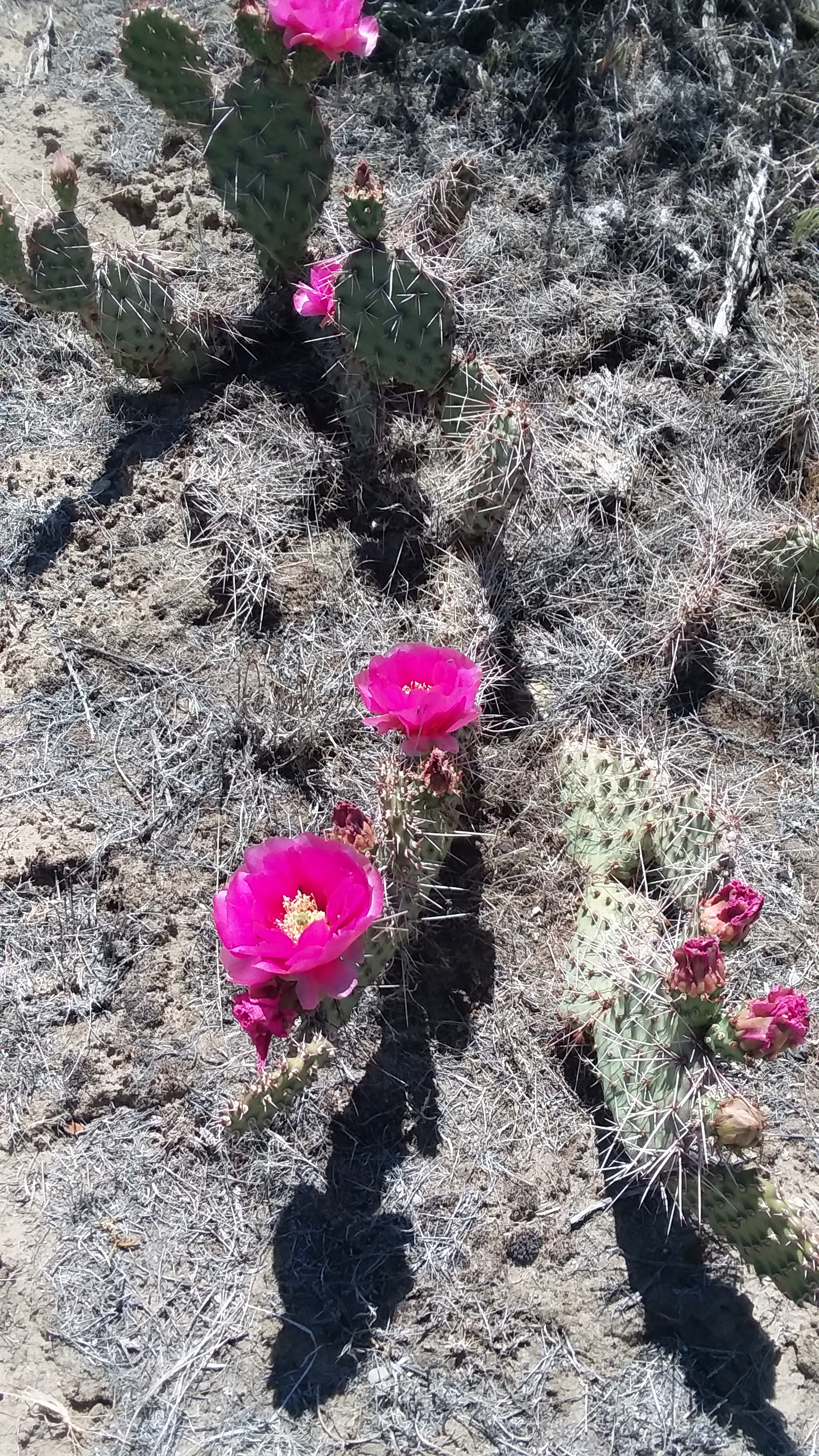
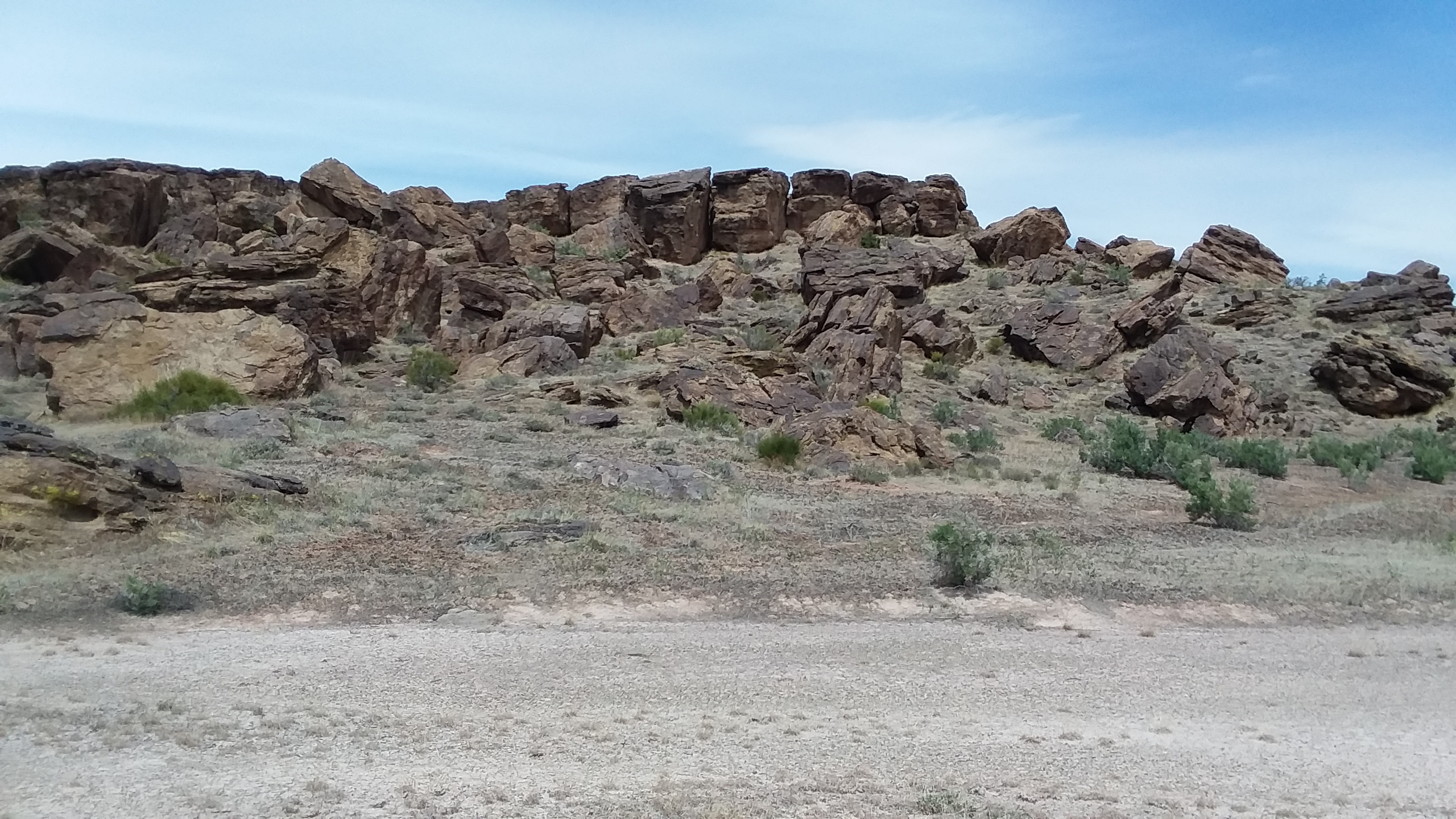
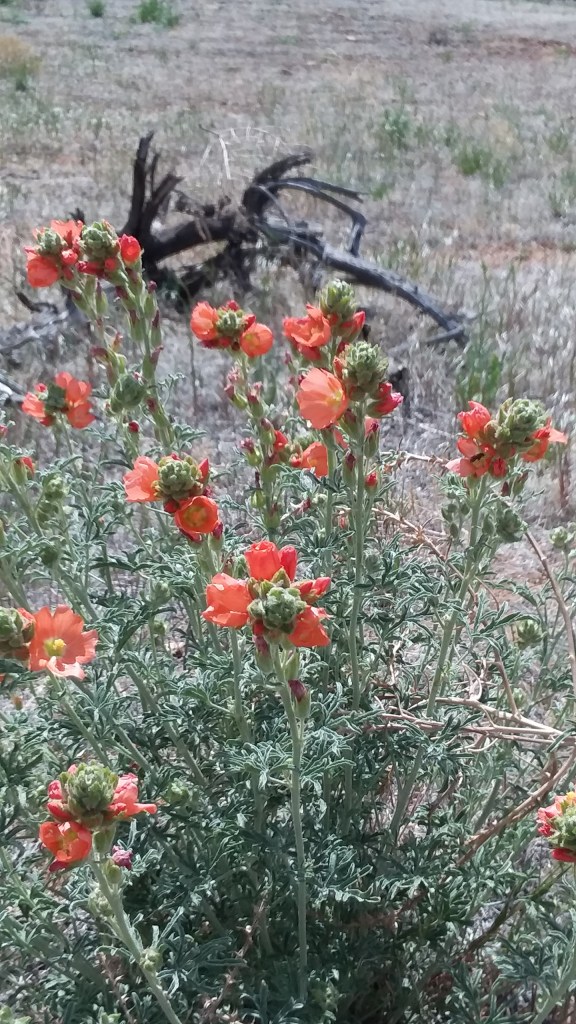
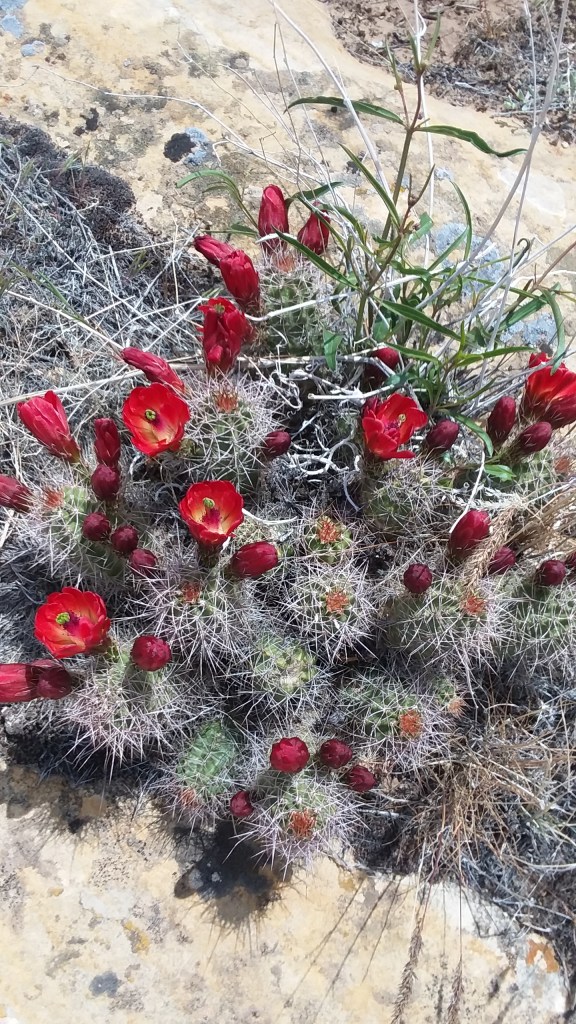
“The wind will not stop. Gusts of sand swirl before me, stinging my face. But there is still too much to see and marvel at, the world very much alive in the bright light and wind, exultant with the fever of spring, the delight of morning. Strolling on, it seems to me that the strangeness and wonder of existence are emphasized here, in the desert, by the comparative sparsity of the flora and fauna: life not crowded upon life as in other places but scattered abroad in sparseness and simplicity, with a generous gift of space for each herb and bush and tree, each stem of grass, so that t he living organism stands out bold and brave and vivid against the lifeless sand and barren rock. The extreme clarity of the desert light is equaled by the extreme individuation of desert life forms. Love flowers best in openness and freedom.”
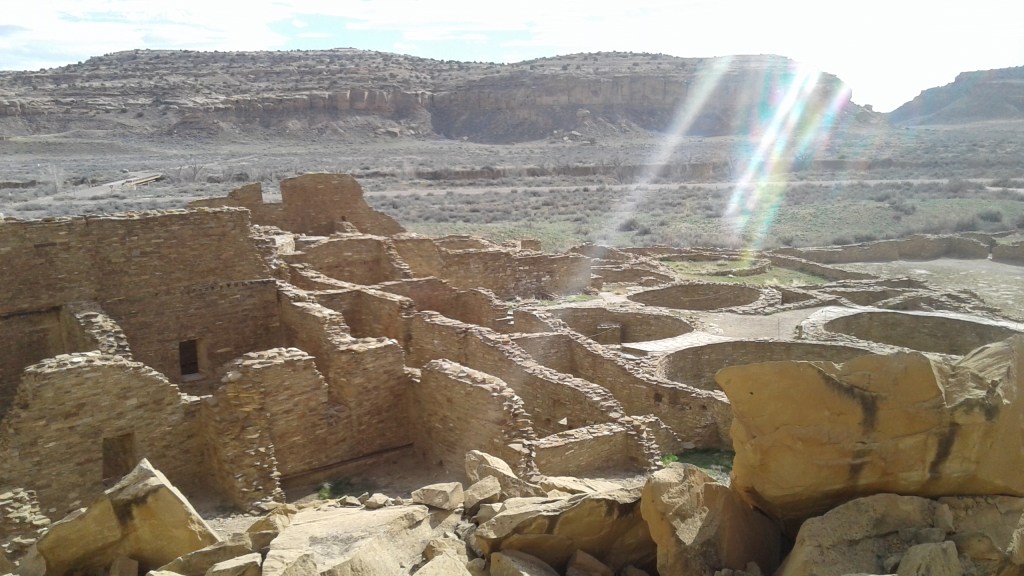
Sometime between AD 850 and 1250, Chaco Canyon, in New Mexico, was a major center of culture for the ancestral Puebloans. The people of Chaco canyon quarried sandstone blocks and hauled timber from great distances, assembling fifteen major complexes that remained the largest buildings ever built in North America until the 19th century. These people built an empire in the middle of nowhere, out of nothing!
It’s one of the greatest mysteries in North America. Supposedly a whole civilization decided one day to leave everything behind and wander deeper into the desert without anything but the clothes on their back. The theory is that there was no more water, so they left…. The conspiracy theorist in me says something else happened.
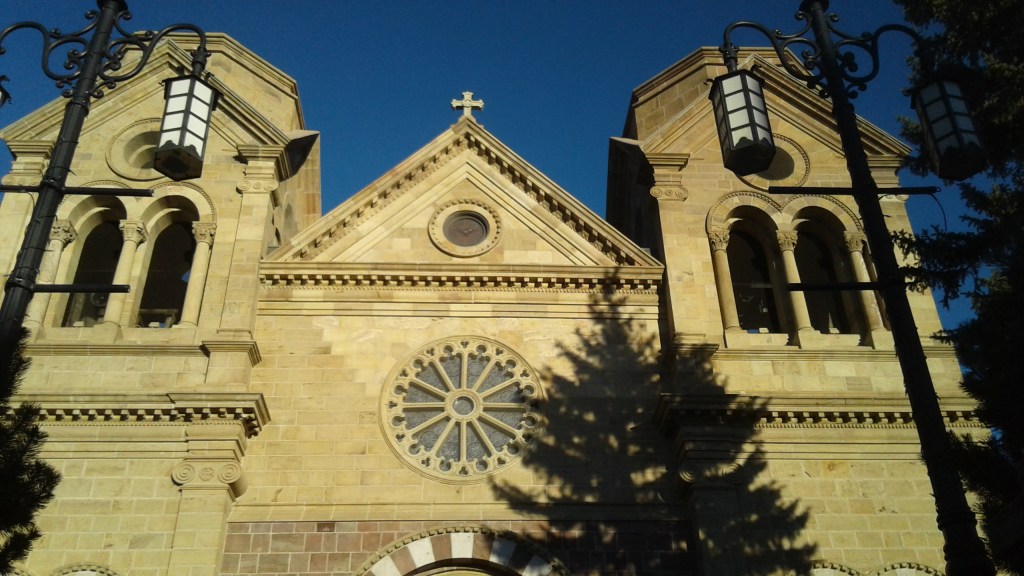
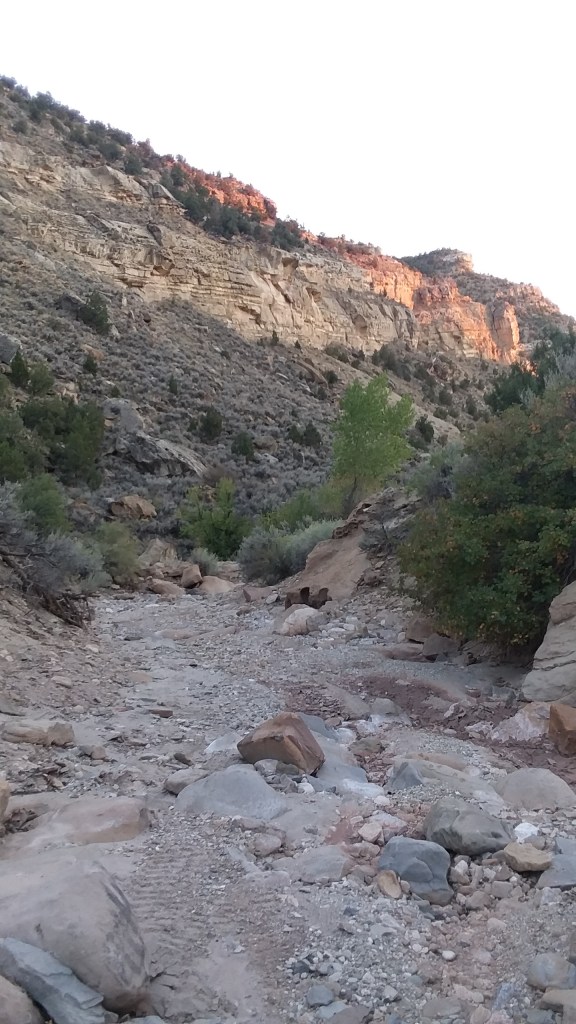
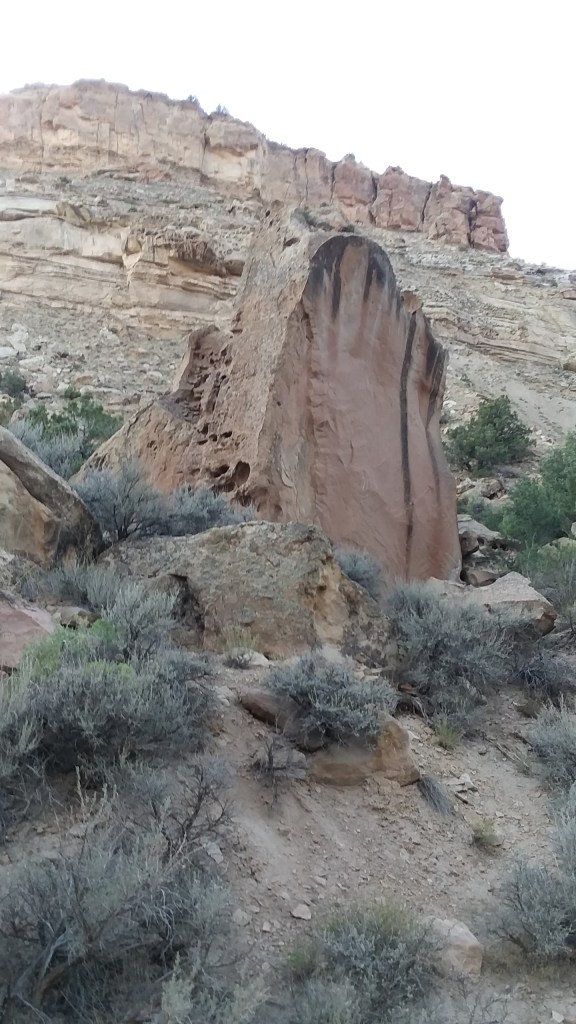
I needed to see it for myself, so I packed the truck and headed south to New Mexico. My son and I stopped in Santa Fe first to check out the art and music scene. I bought some beautiful earrings from a Navajo woman peddling her wares in the hotel parking lot and the next morning we went to Los Alamos for a dose of history. We explored the Science museum and learned about the destructive nature of mankind. From there we explored the Bandelier National Monument and Chaco Canyon. We roamed the rugged and beautiful canyons and mesas and got a feel for how people lived in this unrelenting wilderness 11,000 years ago.
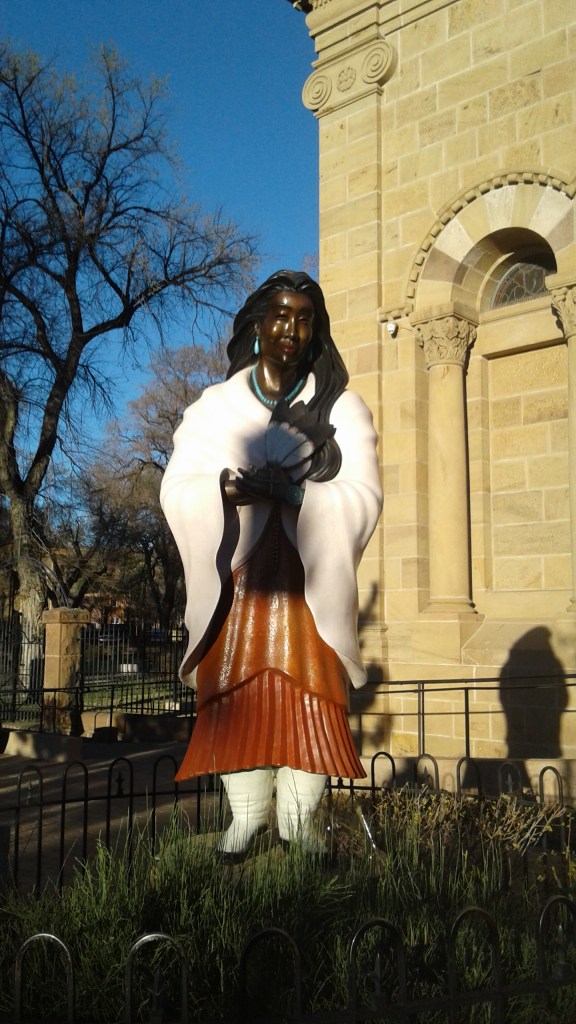
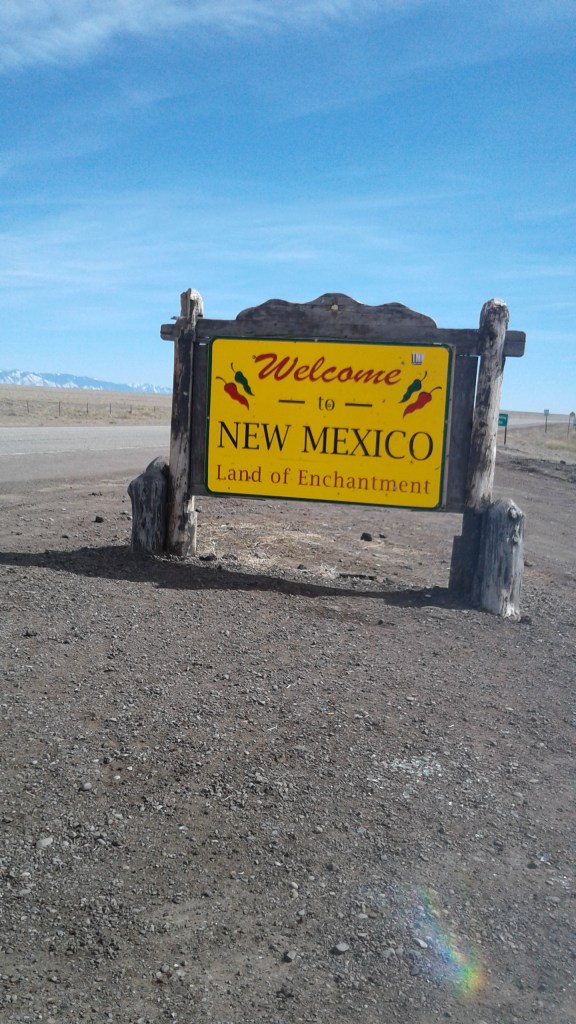


After getting gas and checking our supplies, we drove a good distance from civilization. We turned left down a dirt road and onto the Navajo reservation and followed a rough dirt road for about twenty miles into the canyon.
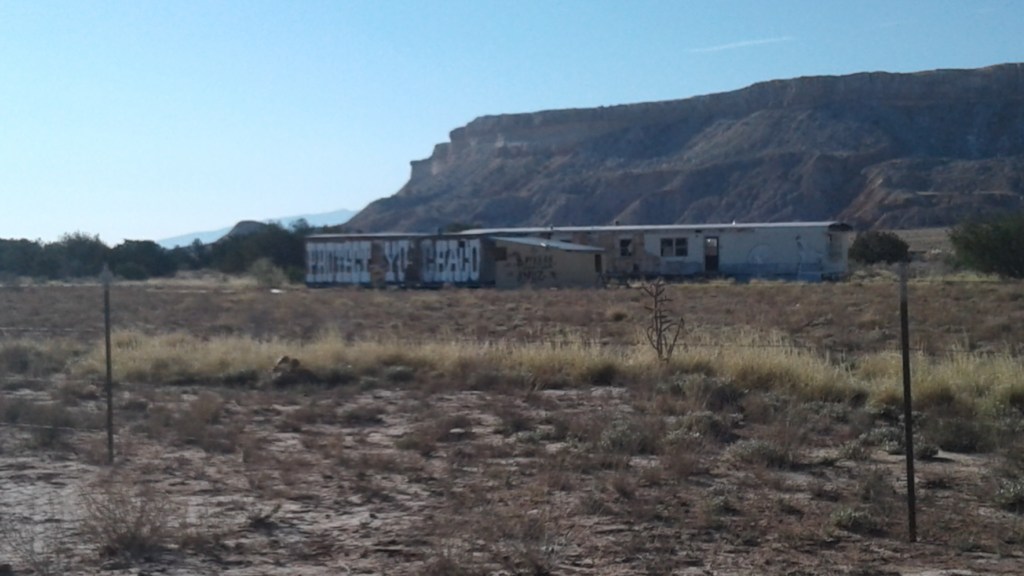
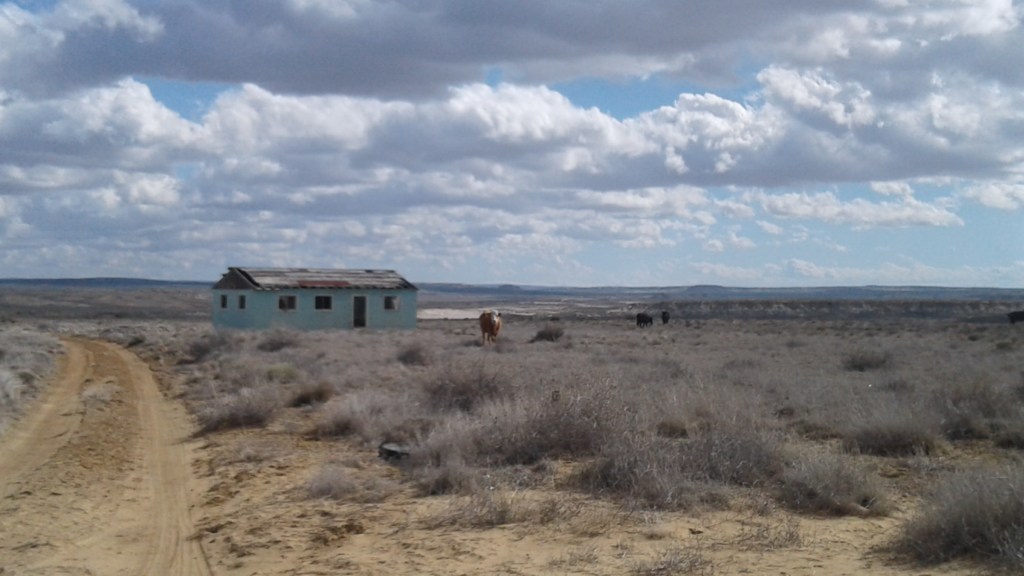
Camp was set up by dusk, and we had supper by the fire. As the sky grew darker, the stars got brighter. We let the fire burn out before crawling into our tent. As I drifted to sleep, I heard the hoot owl call out and coyotes yipping in the distance. Voices of the ancients rang out in my dreams. The sounds of drums and singing and children playing while women talked as they weaved baskets and ground corn.
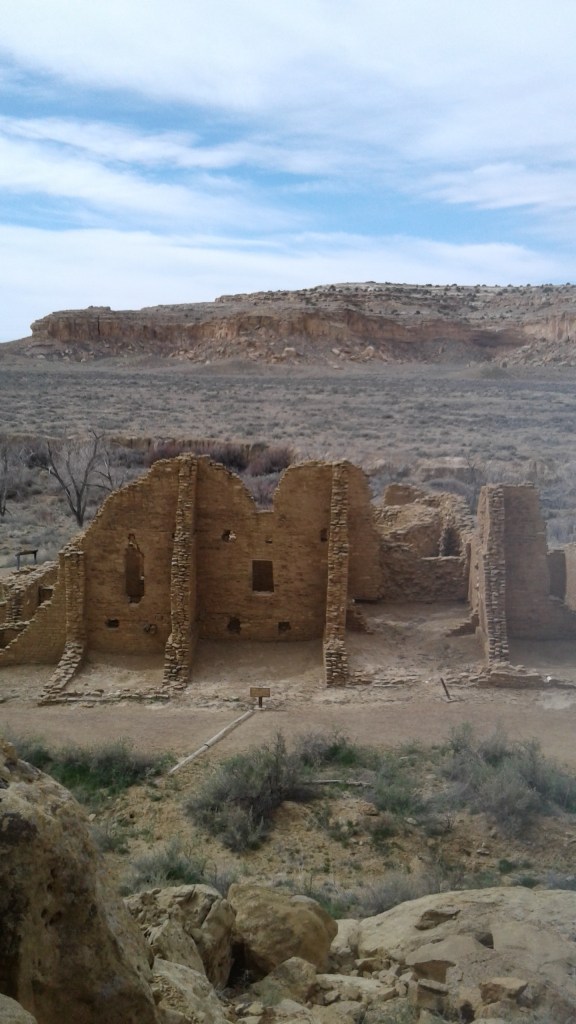
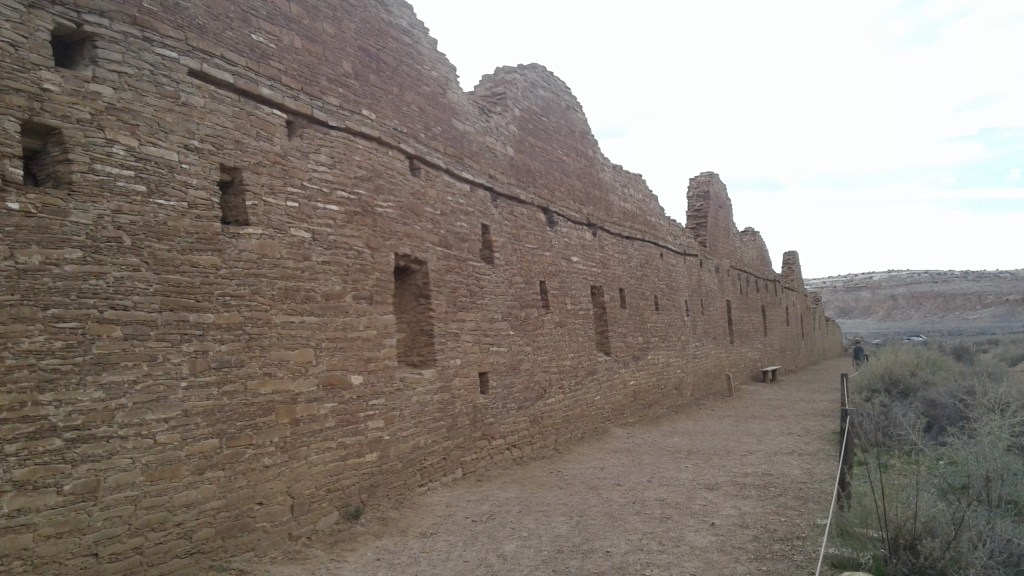
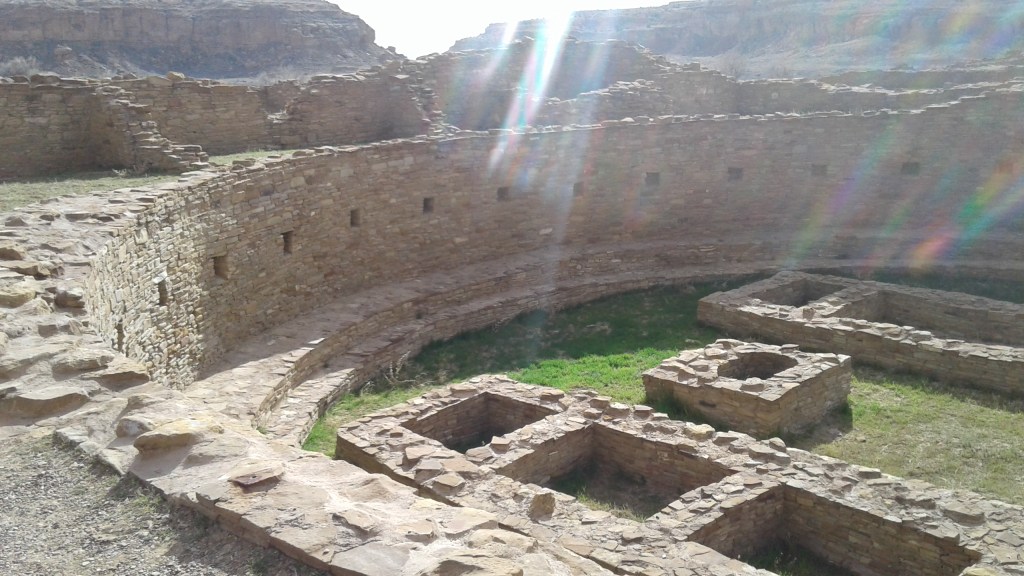
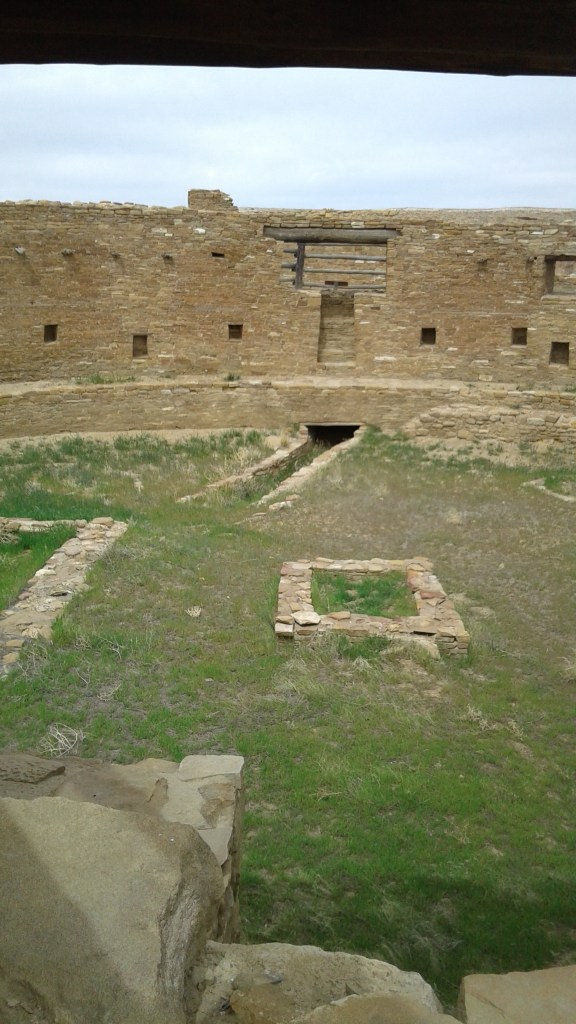
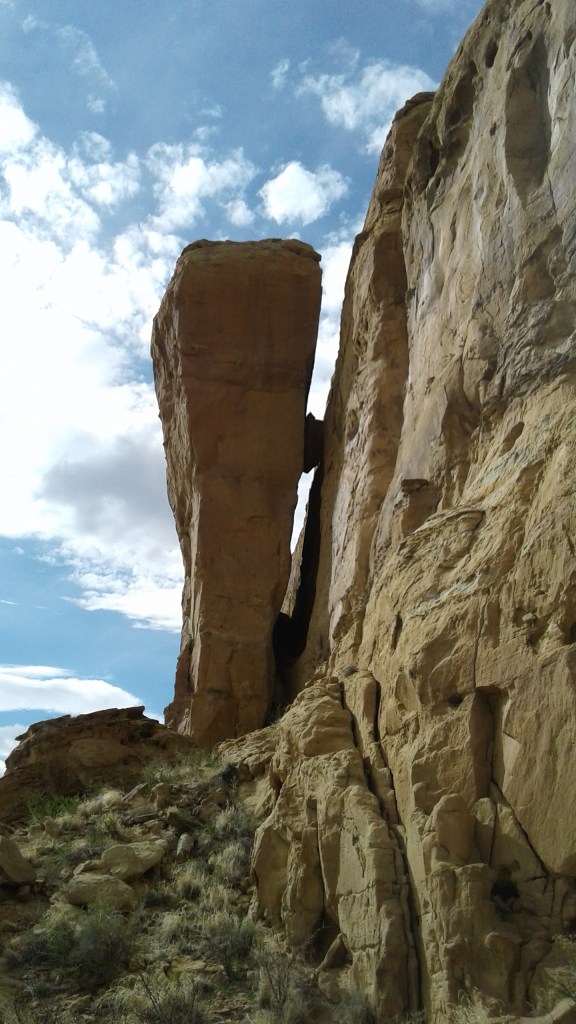
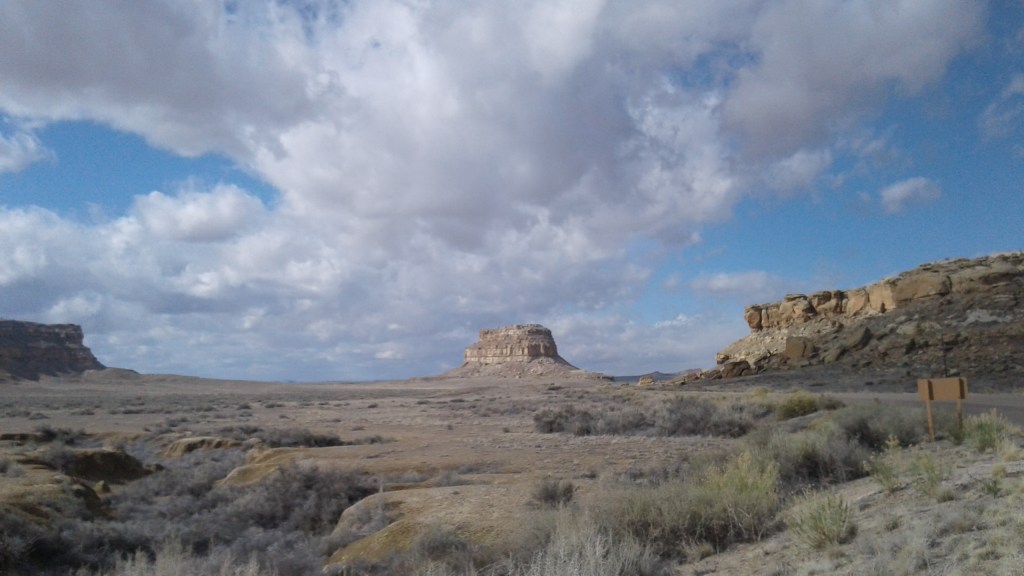
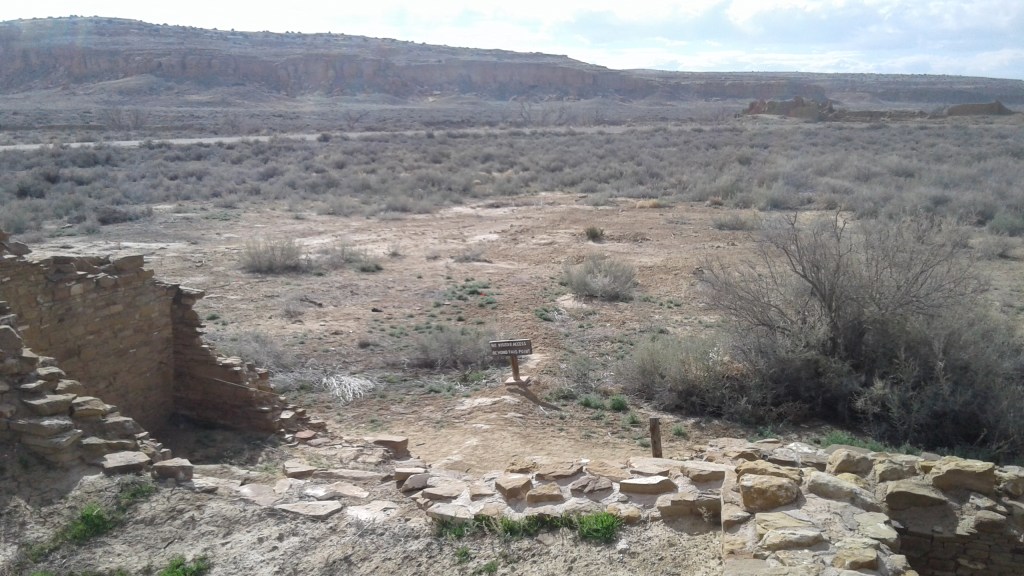
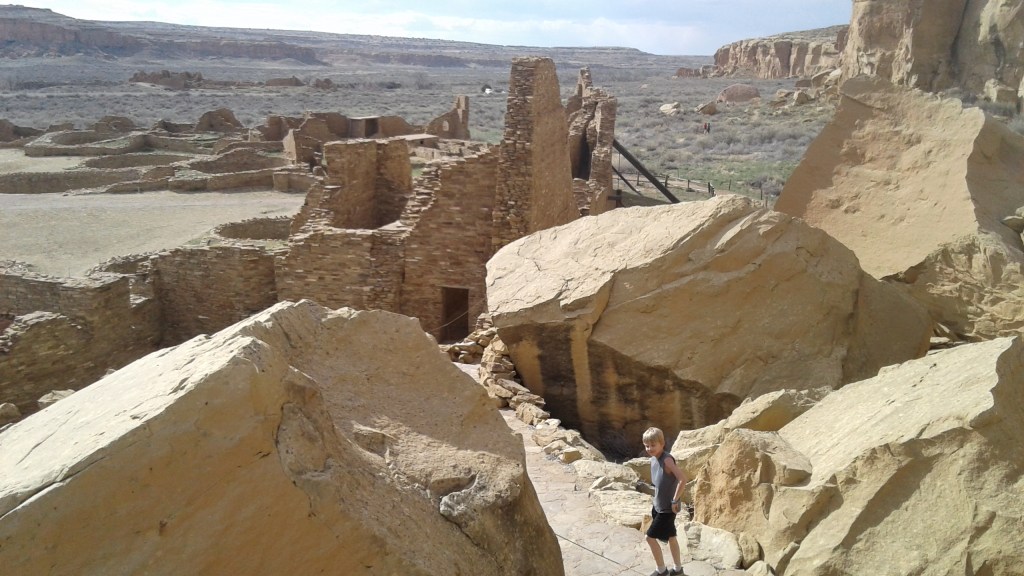
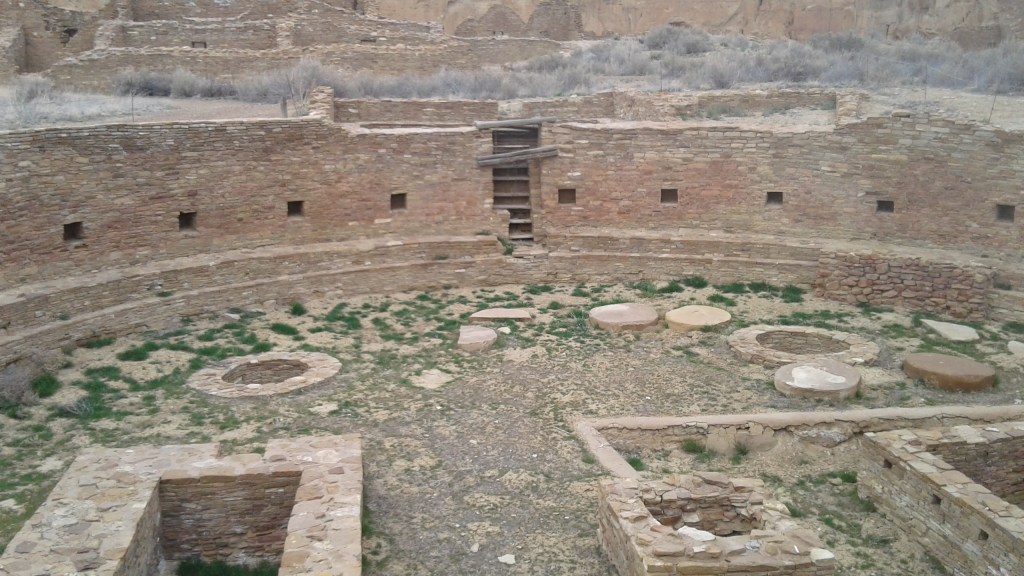
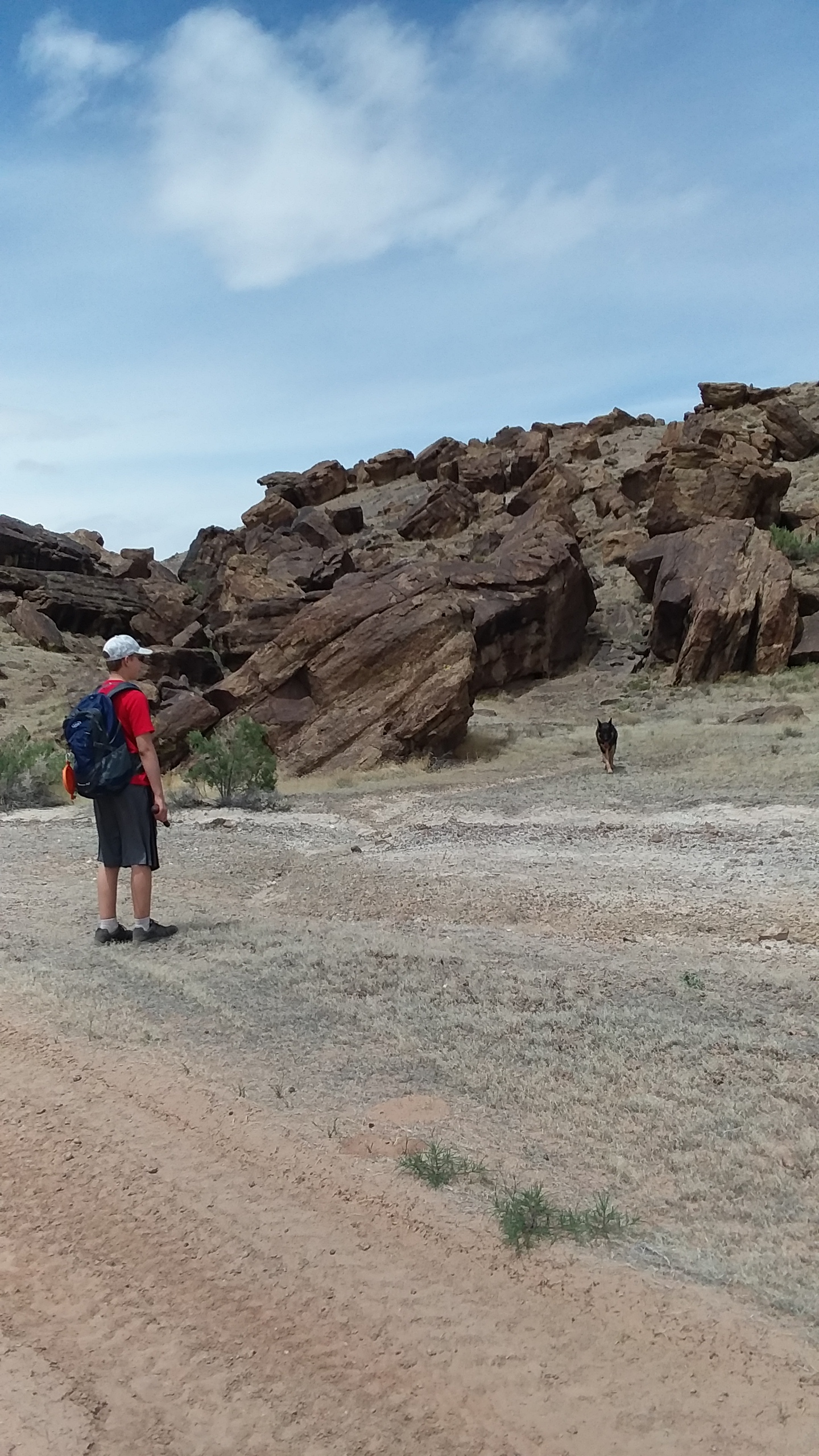
That first sunrise, we arose to a cool morning and a hot pink sky. Fajada Butte in the background drawing our attention. Breakfast consisted of pancakes and coffee over an open fire. We loaded our packs and started walking. The ruins were massive! They were intricate and expansive. I have been a ruin hunter for a long time and I had never experienced anything like that of Chaco canyon. This lent even more credence to my suspicions about what happened there. We couldn’t even cover all the territory that encompassed the entire complex in the three days we were there, as most of the area is off-limits to motorized vehicles. Next time, I will bring the mountain bikes!




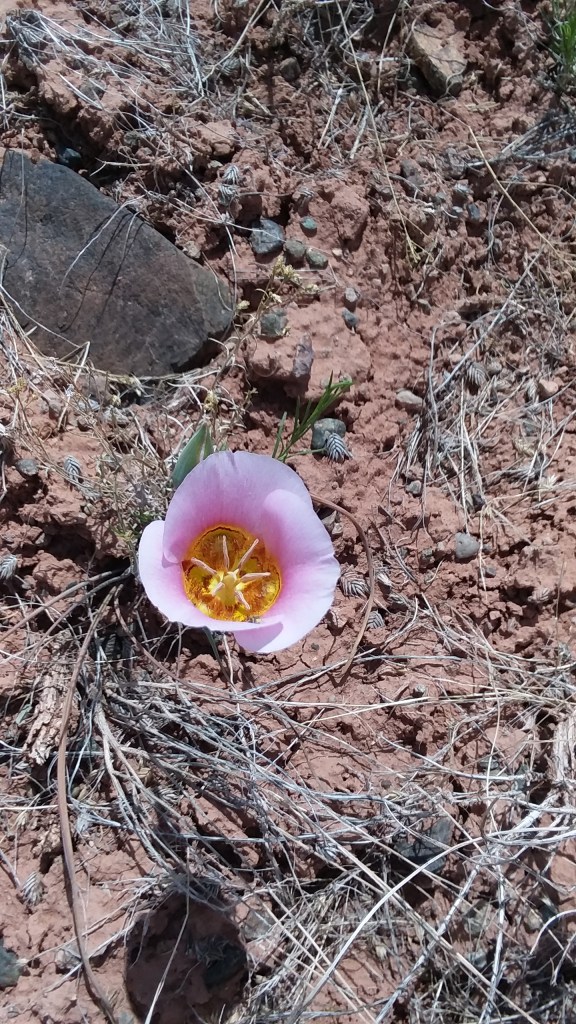
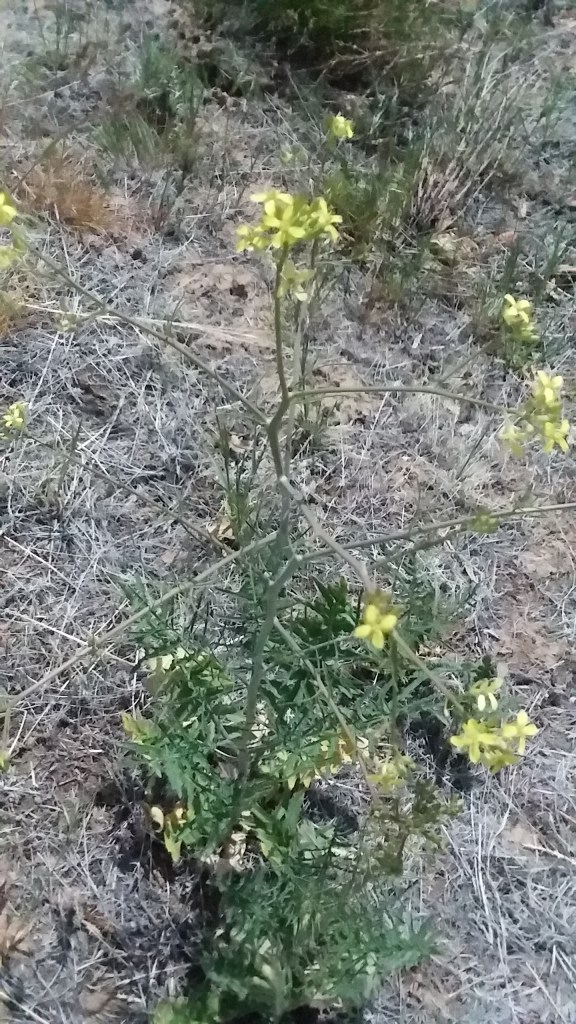
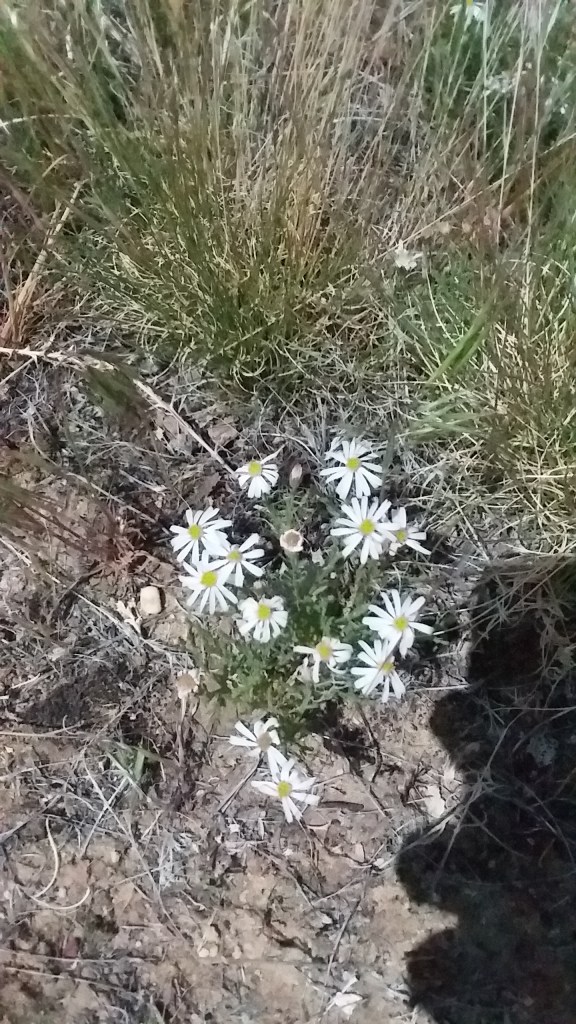

 Nomadic Farmer