
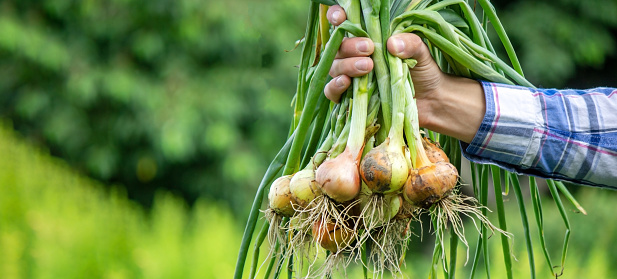
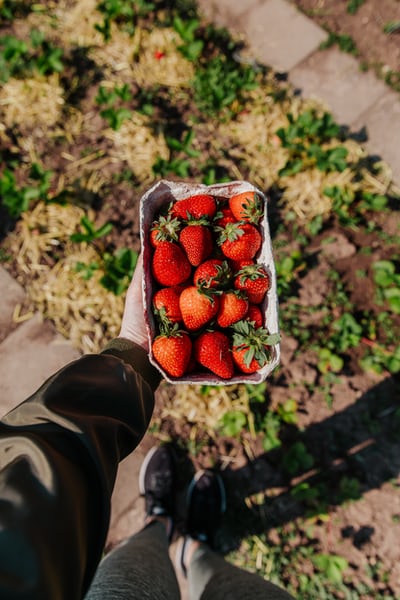
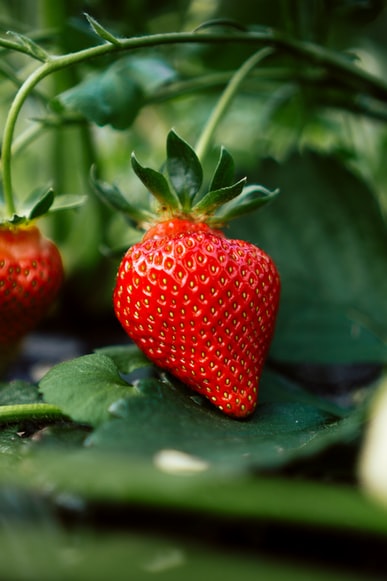
While living in California, I had my first encounter with companion planting. I came upon a roadside fruit stand selling strawberries and, of course, could not resist. Across the road was the man’s strawberry plot. The plot was edged by onions. The onions made a nice border, but I was curious why he chose them instead of some colorful flowers. I asked him why he planted onions around the strawberries, and he told me that the onions help to protect the berries from bugs. I asked him if he sold the onions as well, and he said yes, when they’re ready. It was a small plot, perhaps 15 feet by 15 feet but it would provide him at least two crops for his roadside stand.
Intrigued, I went home and started to ponder my own small space and what I could grow in it. Container planting is great but if you have a sunny piece of ground, you can do a lot with it. Companion planting will help you make the most of your sunny patch. One of my favorite books on this subject is Carrots Love Tomatoes by Louise Riotte.
Herbs like basil, sage, thyme and oregano increase the flavor of tomatoes and peppers. These same herbs help to protect cauliflower and broccoli from pests due to their strong aroma. Plants are like people in many ways. Some plants just don’t get along. Some plants thrive in dry sandy soil and some thrive in a rich, moist environment. Some need more sun than others and some need more space than others. Some plants like it warmer and some like it cooler. Some are more susceptible to pests and some just won’t put up with them.
Anything in the legume family is beneficial to corn, cucumbers, potatoes and spinach, since legumes fix nitrogen to the soil from the air and these plants need more nitrogen than other plants. Legumes, in general, are peas and beans. Green beans, wax beans, Lima beans, black beans, etc. Beans have a negative impact on the onion and cabbage families (allium and cruciferous). These plants include leeks, chives, garlic, kale, broccoli, cauliflower and brussels sprouts.
Carrots aerate the soil for tomato plants, and really anything in the nightshade family. The nightshade family consists of eggplant, tomatoes, peppers and potatoes. They also do well with the onion family, lettuce, radishes and parsley. Carrots do not do well with celery or dill until after they are harvested and put in a dish together… Cabbage does well with potatoes and most herbs but they do not like basil or beans.
Cucumbers are some of the most easy going plants I have ever met. They are easy to grow and very versatile. They get along with almost everyone in the cabbage family, legume family and the nightshade family. Cucumbers don’t do well with potatoes or the aromatic herbs like sage, rosemary or basil though.
One would never guess by looking at it, but lettuce belongs to the daisy family! Lettuce is a diva and does best in her own space or with some of the cruciferous vegetables. Definitely not kale or cauliflower. Lettuce also does not appreciate the strong chemicals put out by the allium family because they hinder her growth.
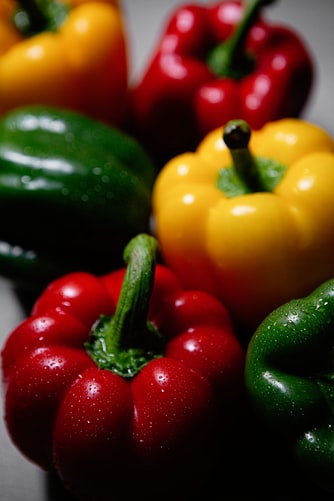
Peppers will thrive with practically everyone else, except fennel and kohlrabi. Peppers find fennel to be antagonistic and kohlrabi to be strange. Peppers aren’t wrong either, almost all vegetable plants agree that fennel can be a bit hostile…. As you can see, this is an in depth and complex topic. Almost as complex as understanding the human mind. Don’t let this intimidate you! You don’t have to grow everything! Grow what you eat and figure out who those plants get along with and everything will be fine.
Happy planting!









 Nomadic Farmer