I’ve been chasing a dream for the better part of 12 years. I’ve had great successes & epic failures. There have been many highs & lows. A few detours as well. At this moment I am at the threshold of stepping into the reality of my dream coming true. The work is far from finished. It’s really just begun… As I stand in the doorway, the reality hits me like a roundhouse kick to the face. I can’t do this. I’m one person. One, small, middle-aged female with little to no support system. How the hell am I supposed to build greenhouses, propagate plants, clear land, take care of animals, maintain a garden, run a business, manage a home & work 40 hours a week!? All this time I’ve been running on blind faith & sheer determination, and it’s gotten me where I am, but now what? I have never been one to cower in fear of the unknown. I’ve always been a fighter. A problem solver. A do or die kind of girl and I haven’t died yet. I guess it’s time jump off the cliff into the great wide open & see what happens. This Nomadic Farmer is about to become a rooted Gypsy in the Ozarks of Missouri.
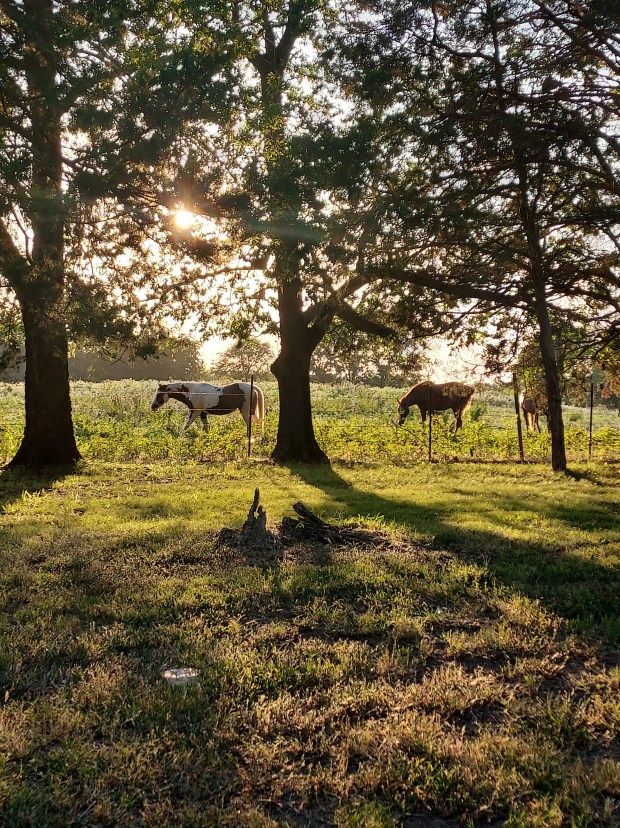
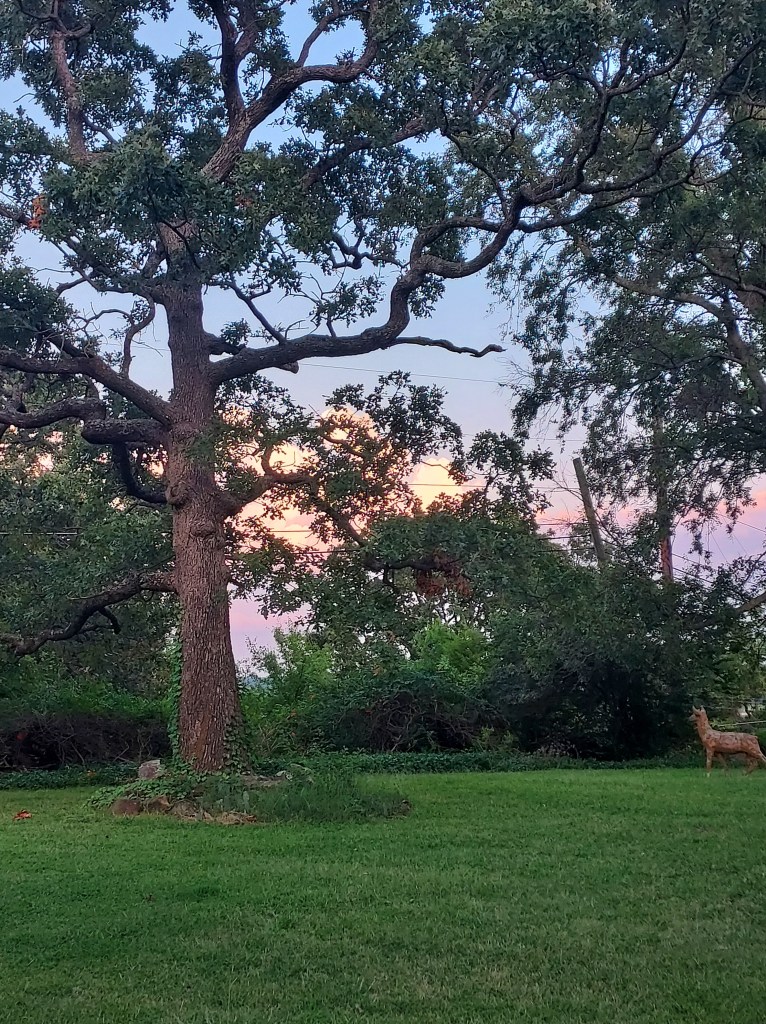
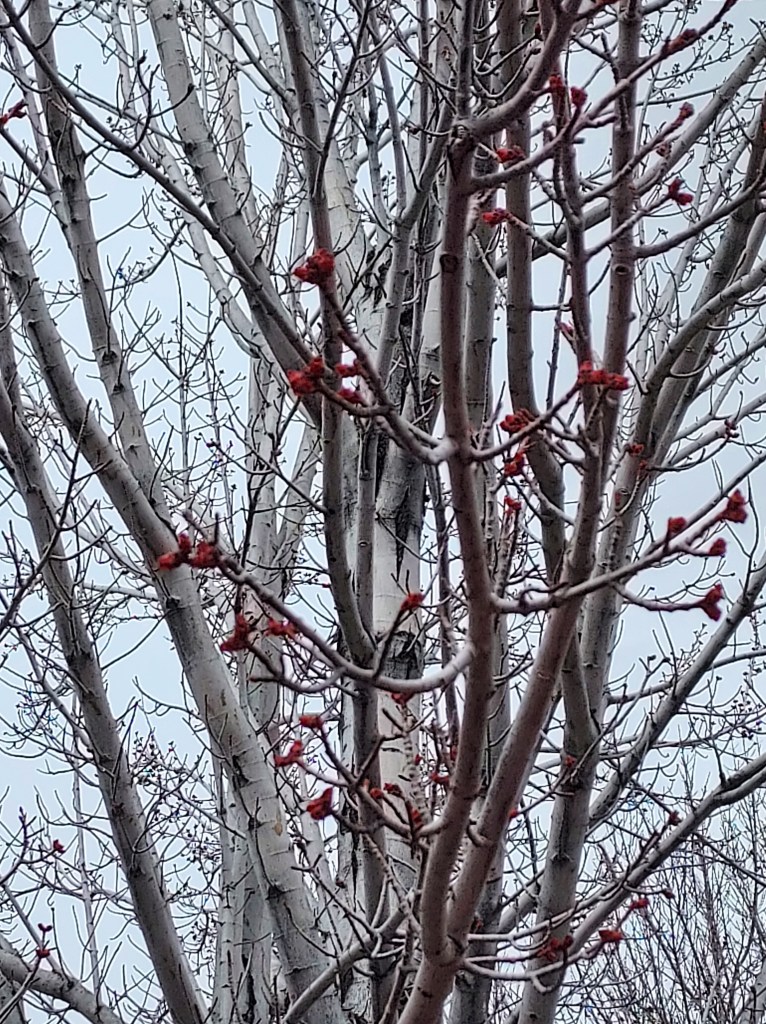
I’m in love with this new piece of ground I will call home for the next year. I’m procrastinating and putting off all of the things that need to be done because I am caught up in childlike wonder at the beauty I have been blessed with. Staring out the window, watching maple leaves dance in the gentle breeze, I notice there are crimson flowers high in the trees. The trumpet vines have climbed to the top. The hummingbirds do not lack. Dragonflies of every color zip across the property, swarming especially when a storm is coming. There is a gate that opens deeper into the woods and an old well. There is a stone picnic table and a deer statue. It reminds me of a scene out of one of C.S. Lewis’ Chronicles of Narnia books… A rock path leads around the house and in the thick of it there is an abundance of wild herbs. To the northwest of the property, there is a meadow where deer and horses graze. It’s peaceful here. So peaceful it almost makes me cry. In the background, Ludovico Einaudi softly plays, and I know I’m home, for now.
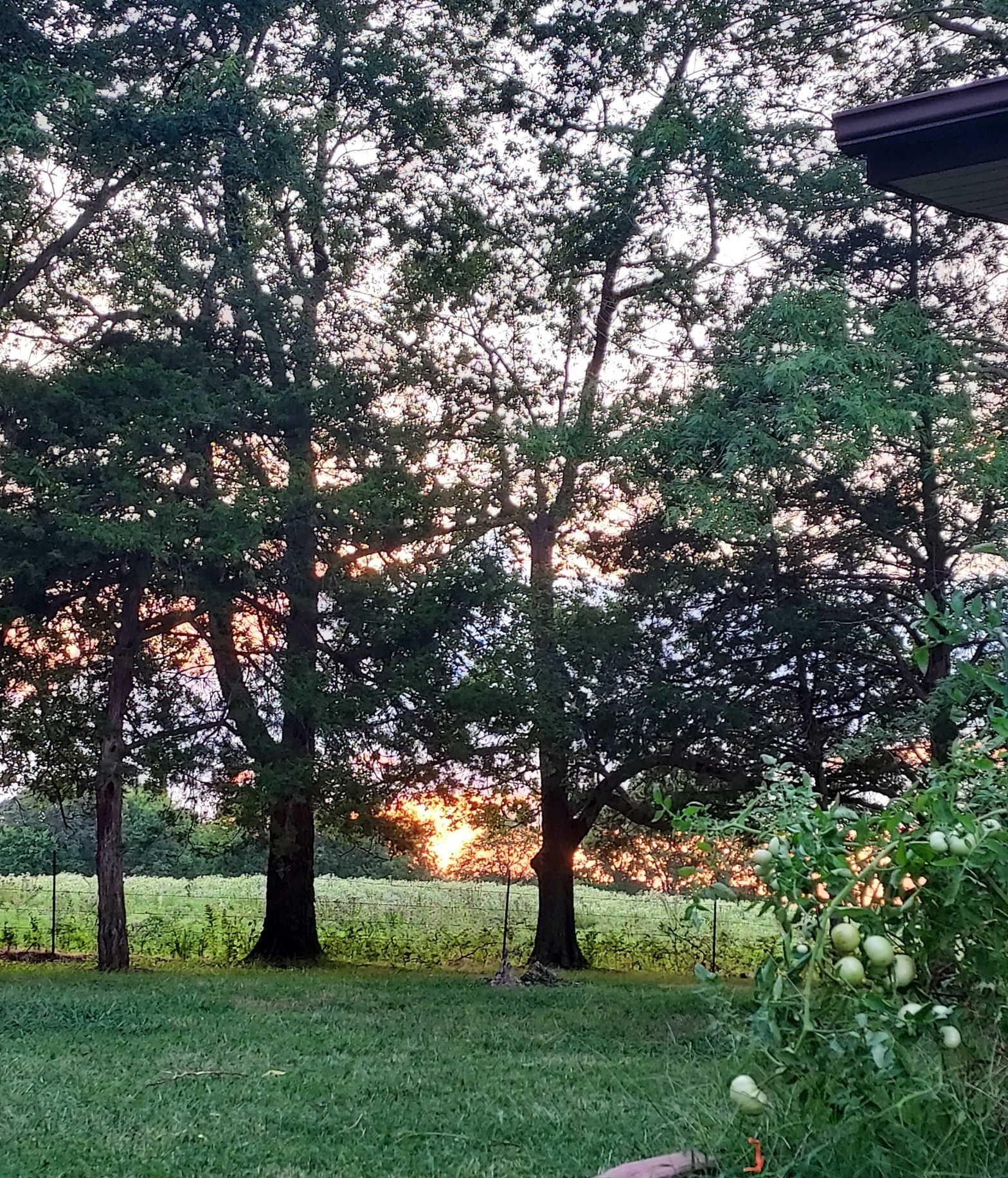
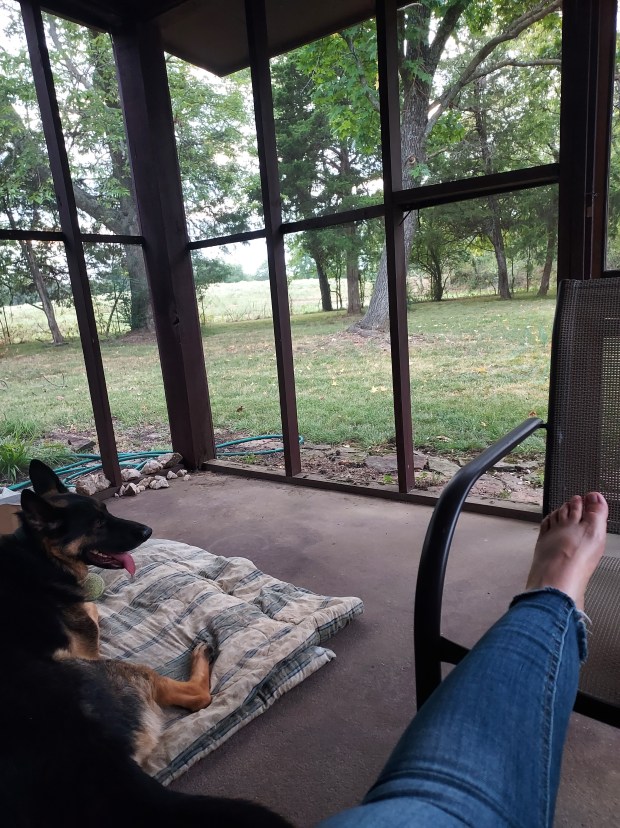
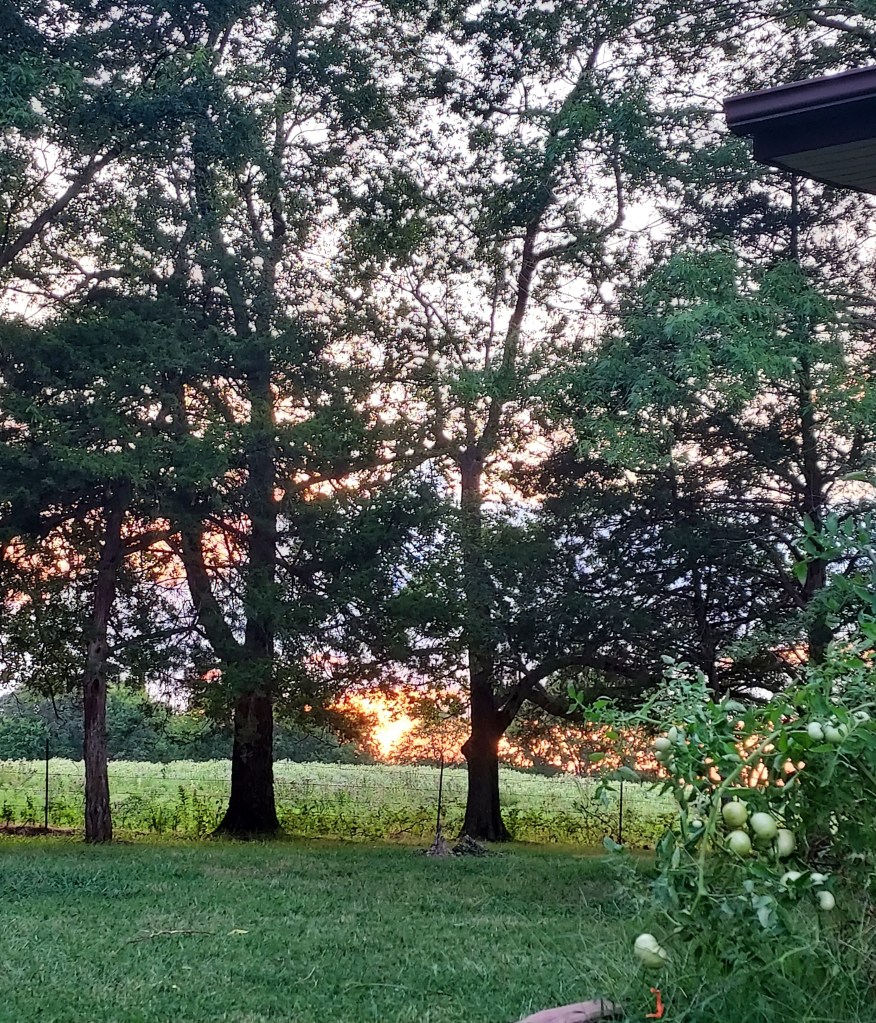
Well, I did it… I left my home state of Colorado (yet again) and went east to the greenbelt of Oklahoma. Found a quaint little midcentury house on 1.3 acres on a hill and surrounded by old growth trees. The deer frequent the property every morning and every evening. I have a screened in patio to watch the sunset from. It needs a little work, but nothing I can’t handle. I enjoy these old houses that need some TLC, especially when the landlord is okay with me tinkering with things.
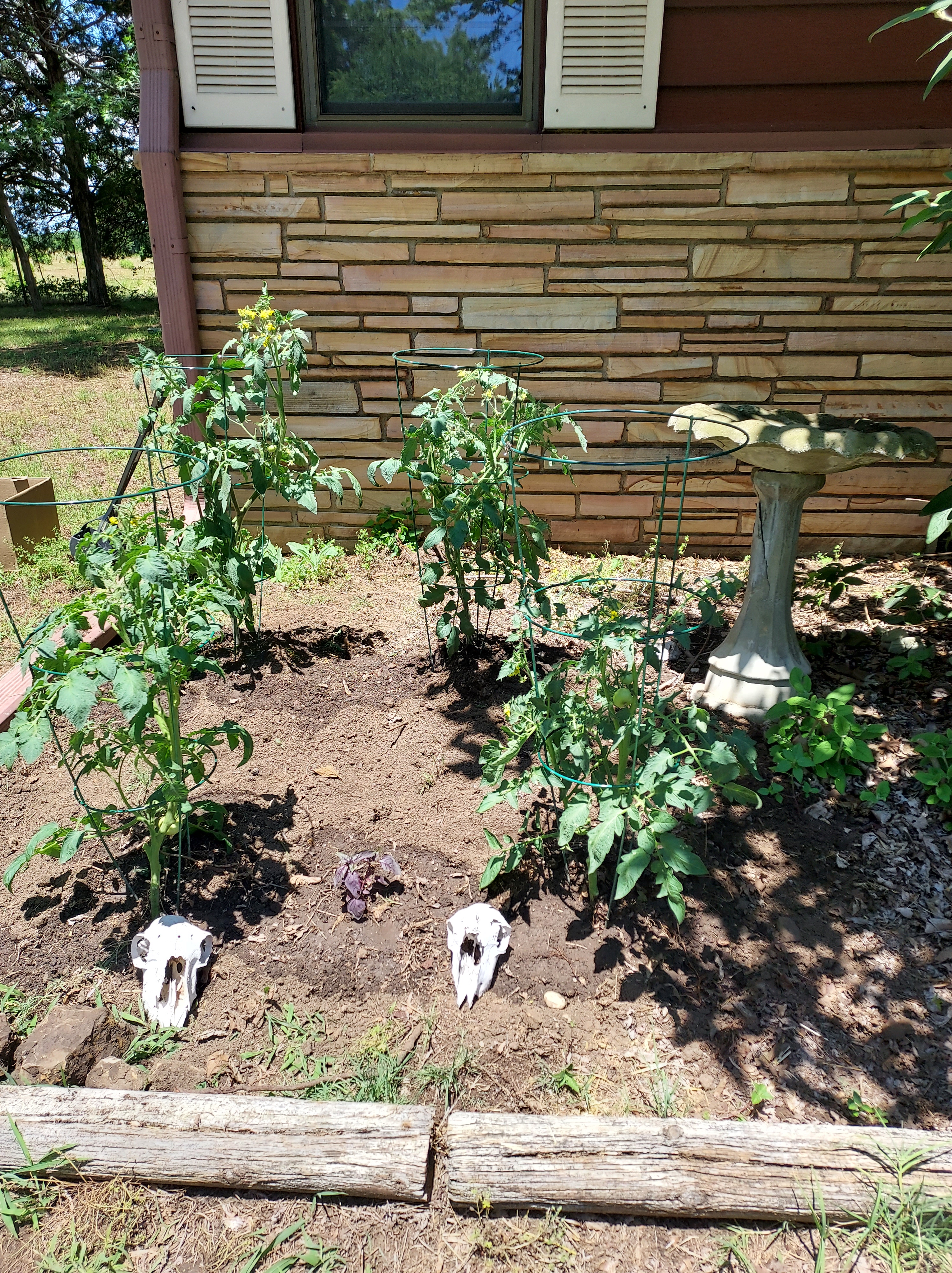
I have big east facing windows to watch the sunrise through. Though I’ve only been here a little over a week, I already have a small garden planted. I planted potatoes in a large Tupperware tote. They rode in the bed of the truck for 1000 miles next to peppermint and chives in large pots. I sent my four small heirloom tomato plants ahead of me with my dad when he was passing through. My brother gifted me some miscellaneous squash and melon plants. It’s too warm to plant lettuce without it bolting immediately, but I bought a jalapeno plant and some onion sets. It’ll be a decent garden.
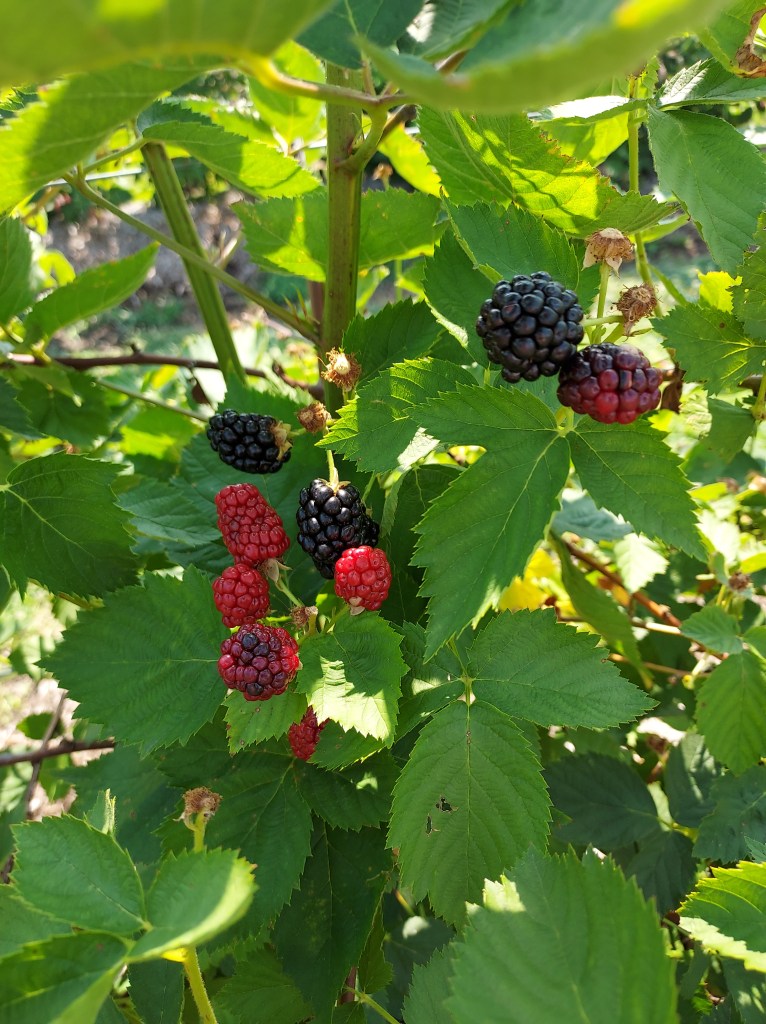
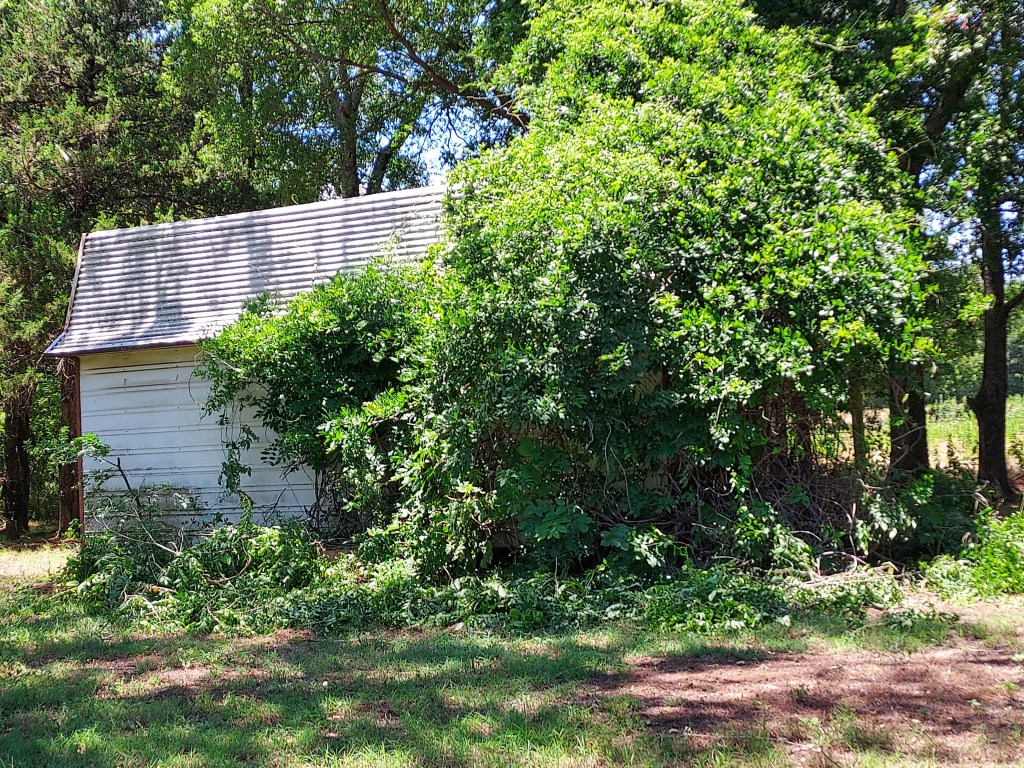
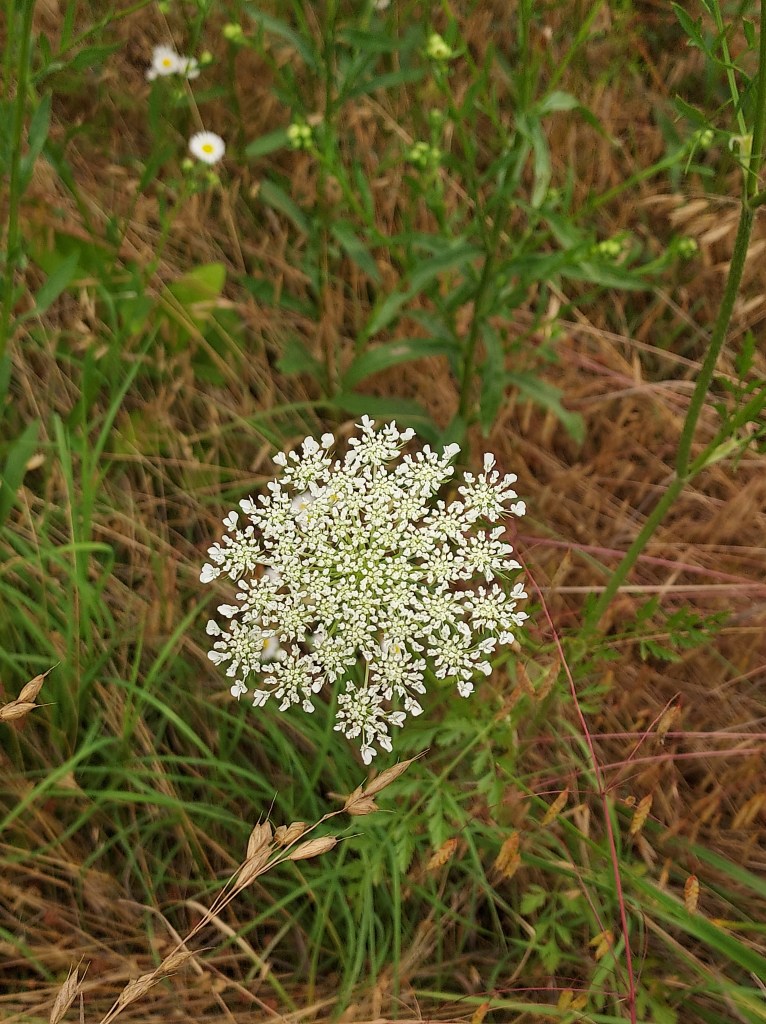
The trees are vibrant with the activity of Cardinals and blue birds and big squirrels. There is a very large nest in the top of one of the trees. I think it may be a Vulture nest, or perhaps some other bird of prey. The shed is overgrown with vines and Queen Annes Lace lines the perimeter of the property. I have much to learn about the local flora and fauna. I would like to do some foraging. This may be a good place to plant some blackberries, but I only have a one-year lease.
My goal is to buy a house and a few acres next spring… It may be time to set some roots, or at least have a base camp. I’m thinking I want chickens and maybe sheep or goats. This nomadic farmer may become a rooted gypsy…
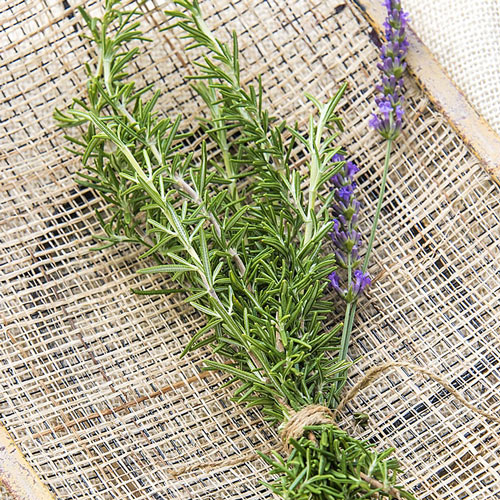
Rosemary is a well-known evergreen shrub that is native to the Mediterranean and used in cooking all over the world. Its leaves can be eaten fresh or dried. It can also be made into tea or infused oil. The medicinal uses of Rosemary have been used for centuries and research confirms rosemary is an important addition to the diet. This fragrant herb is high in Manganese, which is an essential nutrient for metabolic health. Manganese also helps the body to form blood clots, allowing injuries to heal faster. Studies have shown that the acids in rosemary have powerful antibacterial, antiviral, and antifungal properties. Using rosemary regularly can potentially help lower the risk of infection and help the immune system fight infections. Rosemary has a positive impact on reducing anxiety and stress. Who couldn’t use a little help with that these days? Rosemary has also been used for centuries as an aid in memory. Studies in aromatherapy using rosemary have corroborated some of these claims. The phytochemicals in rosemary may also help to improve eye health, regulate liver function, and lower the risk of asthma. It truly is an important player in nature’s pharmacy! Rosemary grows well in most areas. Rosemary is also great for repelling annoying insects such as flies and mosquitoes. Having a rosemary plant by your front door will help to keep those pests from entering your home.
It’s been a while since last I wrote… A lot has happened since then. There has been debilitating heartache and excruciating pain. There were hard decisions that had to be made. Trials and tribulations that I thought would never end, but also victories and revelations and self-care and growth. It’s in these moments that we realize what we’re made of and who we truly are. I have grown on so many levels. Perhaps even in ways I haven’t noticed yet. Self-inflection is important to growth. You must look deeply within yourself and be brutally honest in order to truly grow. If you honestly want to change, you have to be brutally honest with yourself and then you have to commit on the deepest level to do the work that needs to be done.
For a brief moment in time, I walked away from my dreams. They seemed unobtainable. I felt unworthy… I convinced myself it wasn’t for me and that I was destined to be just another cog in the machine… God had other plans. At the time, I was delivering water for a filtered water company, cleaning office buildings and driving cars for a rental car company. It was enough to just barely get by. I was looking for another side gig and found more than I was expecting. I am now the publisher/editor of a high end community magazine for my small town. As exciting as this is, it is only a stepping stone. I have longed and yearned for the ability to by land and start a farmstead for the last twenty years. I have chipped away at this dream but always felt like I was running uphill in sand. Getting nowhere fast….
I have gotten my passion back. There will be more content on this blog soon, and by April 2024, there is a very real possibility that I will be packing up and leaving Colorado for the heartland. Stay tuned.
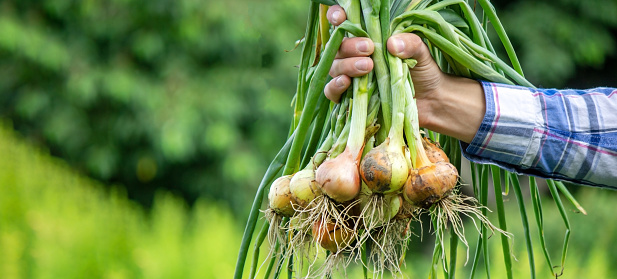
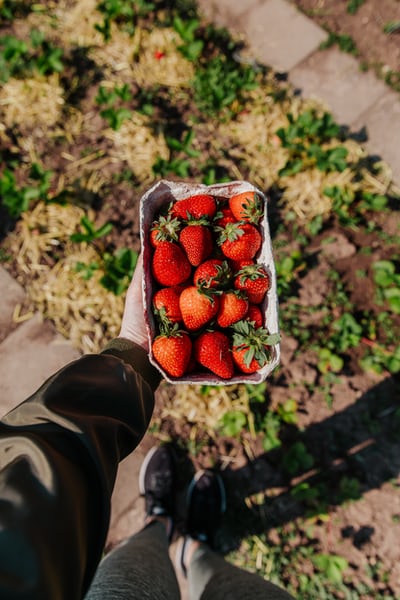
While living in California, I had my first encounter with companion planting. I came upon a roadside fruit stand selling strawberries and, of course, could not resist. Across the road was the man’s strawberry plot. The plot was edged by onions. The onions made a nice border, but I was curious why he chose them instead of some colorful flowers. I asked him why he planted onions around the strawberries, and he told me that the onions help to protect the berries from bugs. I asked him if he sold the onions as well, and he said yes, when they’re ready. It was a small plot, perhaps 15 feet by 15 feet but it would provide him at least two crops for his roadside stand.
Intrigued, I went home and started to ponder my own small space and what I could grow in it. Container planting is great but if you have a sunny piece of ground, you can do a lot with it. Companion planting will help you make the most of your sunny patch. One of my favorite books on this subject is Carrots Love Tomatoes by Louise Riotte.
Herbs like basil, sage, thyme and oregano increase the flavor of tomatoes and peppers. These same herbs help to protect cauliflower and broccoli from pests due to their strong aroma. Plants are like people in many ways. Some plants just don’t get along. Some plants thrive in dry sandy soil and some thrive in a rich, moist environment. Some need more sun than others and some need more space than others. Some plants like it warmer and some like it cooler. Some are more susceptible to pests and some just won’t put up with them.
Anything in the legume family is beneficial to corn, cucumbers, potatoes and spinach, since legumes fix nitrogen to the soil from the air and these plants need more nitrogen than other plants. Legumes, in general, are peas and beans. Green beans, wax beans, Lima beans, black beans, etc. Beans have a negative impact on the onion and cabbage families (allium and cruciferous). These plants include leeks, chives, garlic, kale, broccoli, cauliflower and brussels sprouts.
Carrots aerate the soil for tomato plants, and really anything in the nightshade family. The nightshade family consists of eggplant, tomatoes, peppers and potatoes. They also do well with the onion family, lettuce, radishes and parsley. Carrots do not do well with celery or dill until after they are harvested and put in a dish together… Cabbage does well with potatoes and most herbs but they do not like basil or beans.
Cucumbers are some of the most easy going plants I have ever met. They are easy to grow and very versatile. They get along with almost everyone in the cabbage family, legume family and the nightshade family. Cucumbers don’t do well with potatoes or the aromatic herbs like sage, rosemary or basil though.
One would never guess by looking at it, but lettuce belongs to the daisy family! Lettuce is a diva and does best in her own space or with some of the cruciferous vegetables. Definitely not kale or cauliflower. Lettuce also does not appreciate the strong chemicals put out by the allium family because they hinder her growth.
Peppers will thrive with practically everyone else, except fennel and kohlrabi. Peppers find fennel to be antagonistic and kohlrabi to be strange. Peppers aren’t wrong either, almost all vegetable plants agree that fennel can be a bit hostile…. As you can see, this is an in depth and complex topic. Almost as complex as understanding the human mind. Don’t let this intimidate you! You don’t have to grow everything! Grow what you eat and figure out who those plants get along with and everything will be fine.
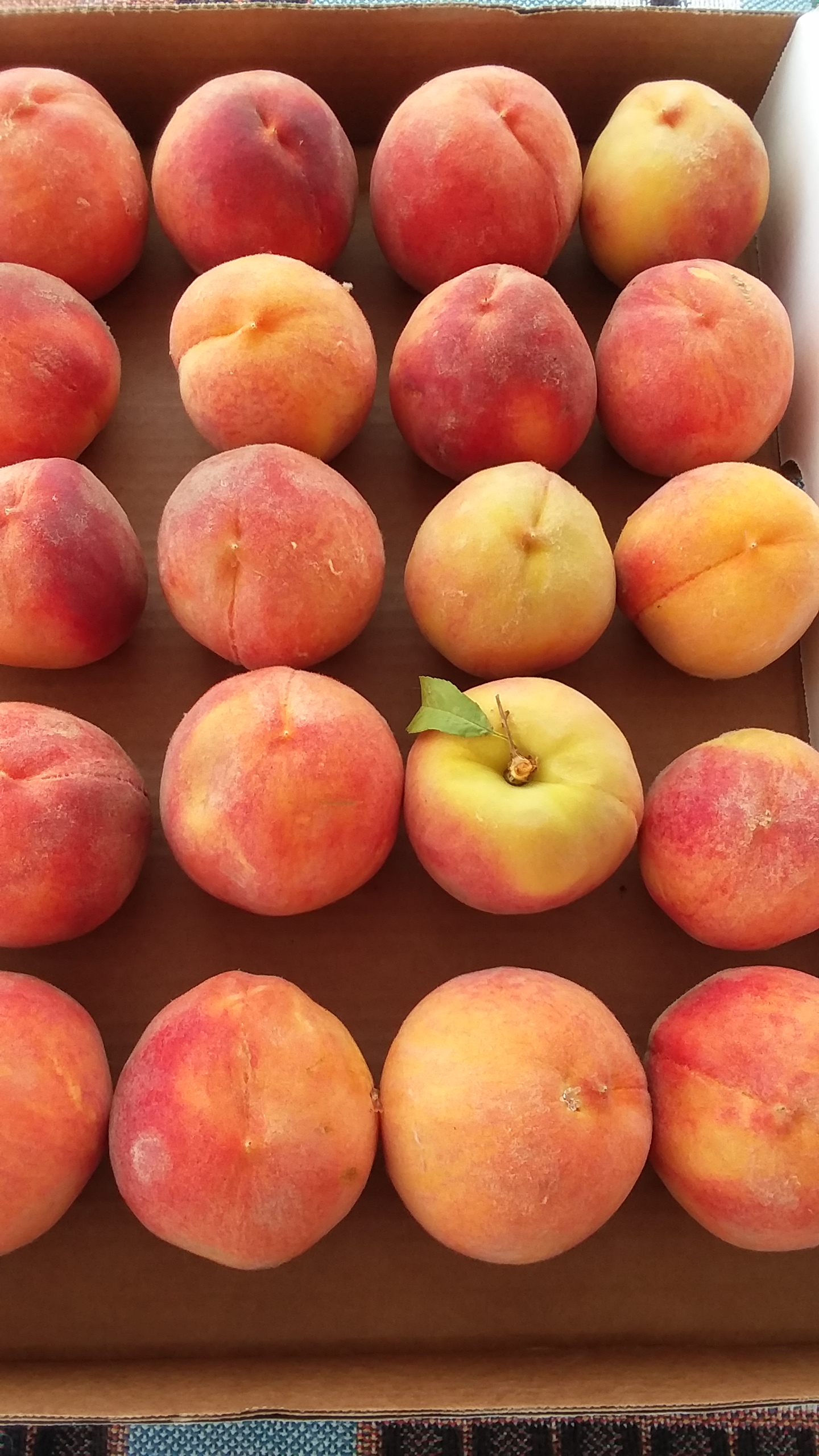
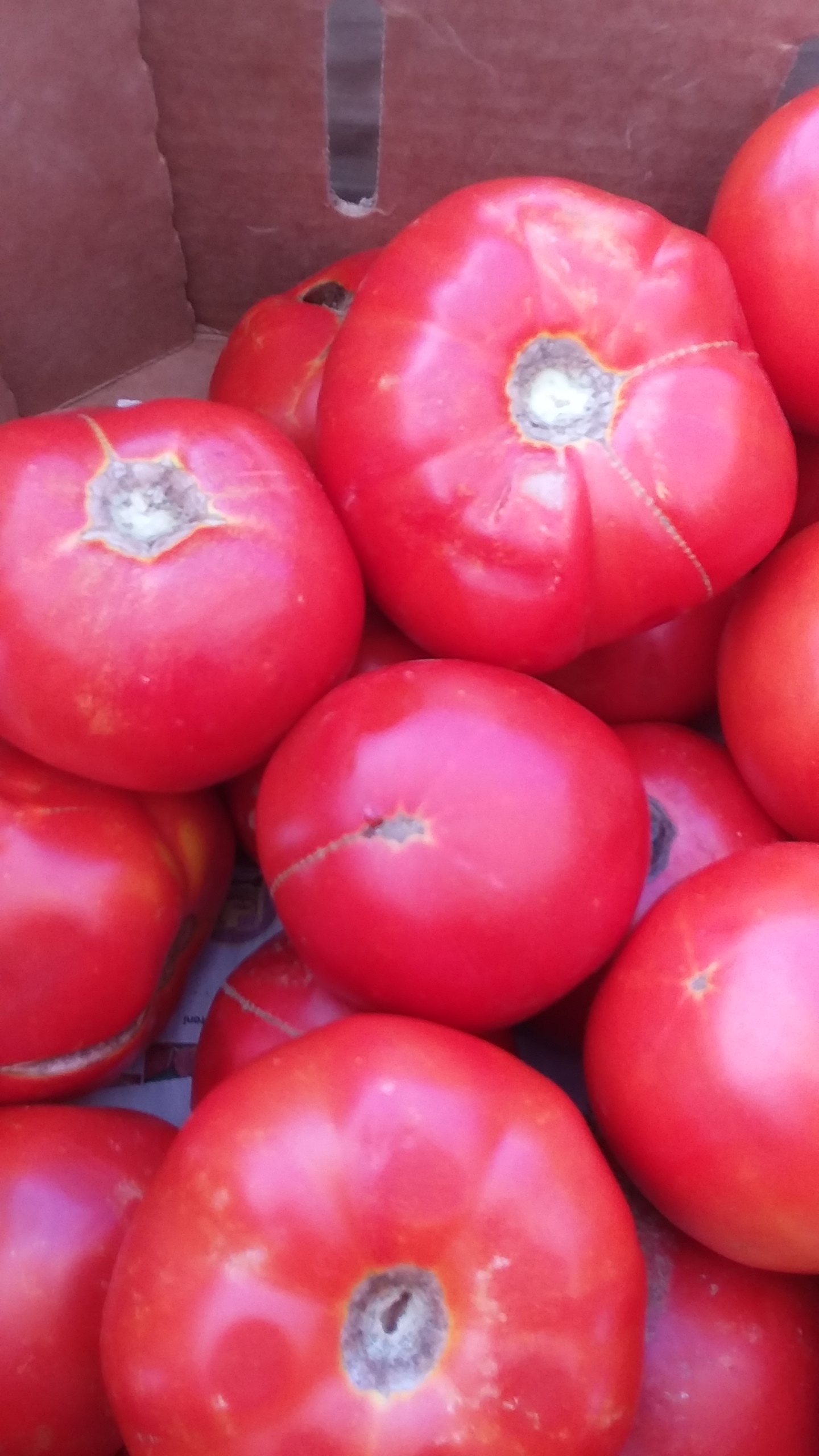
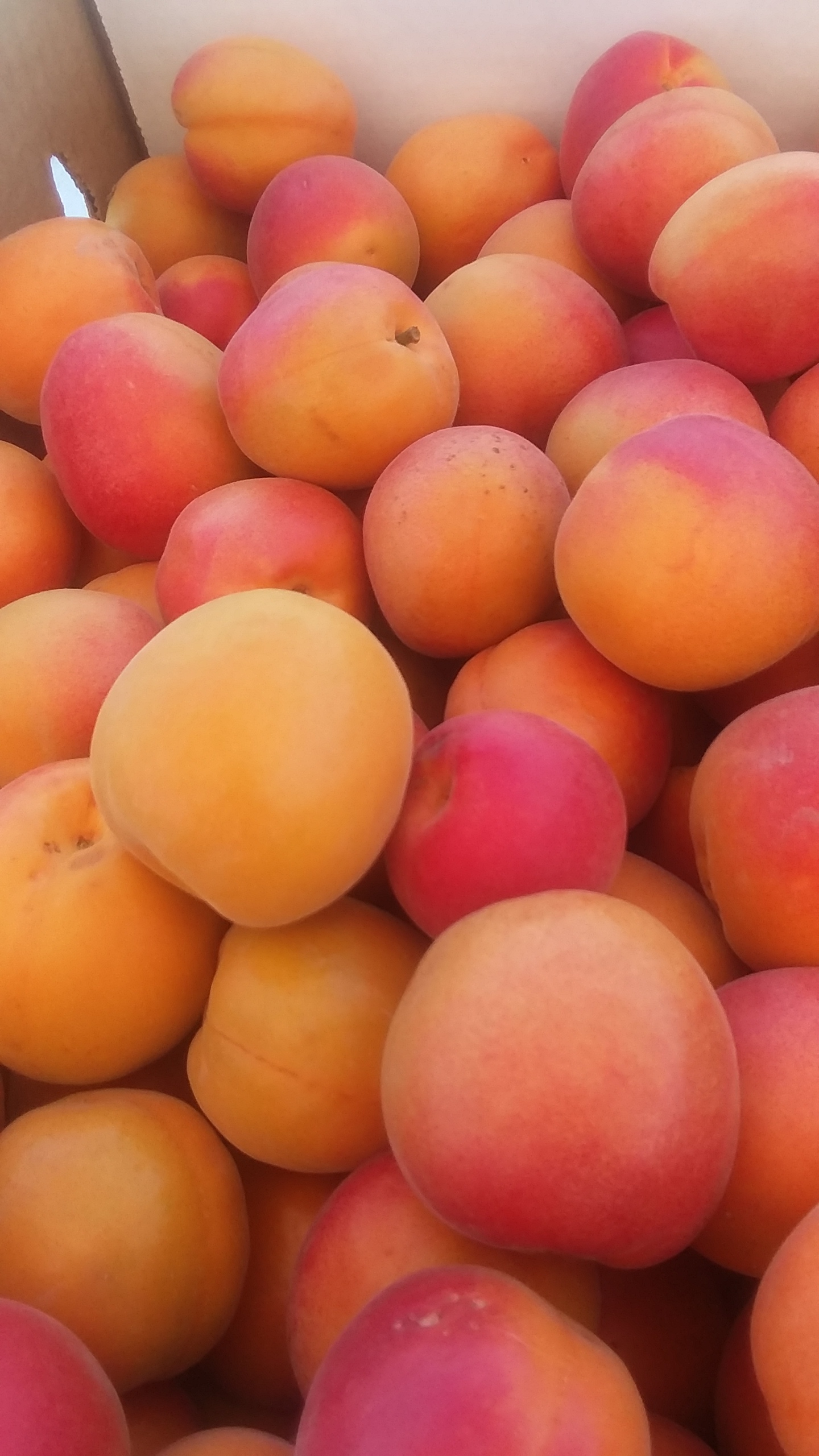
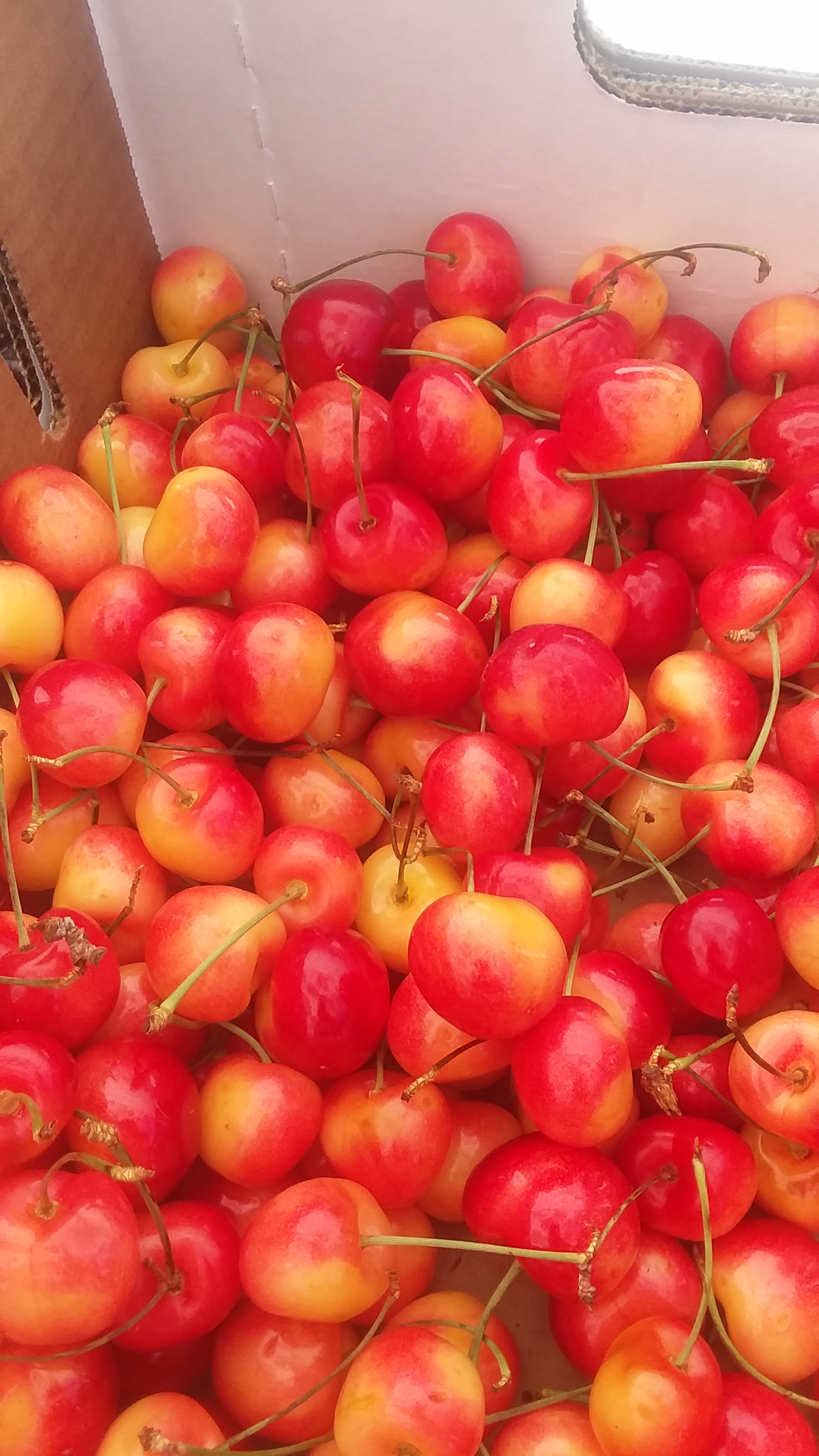
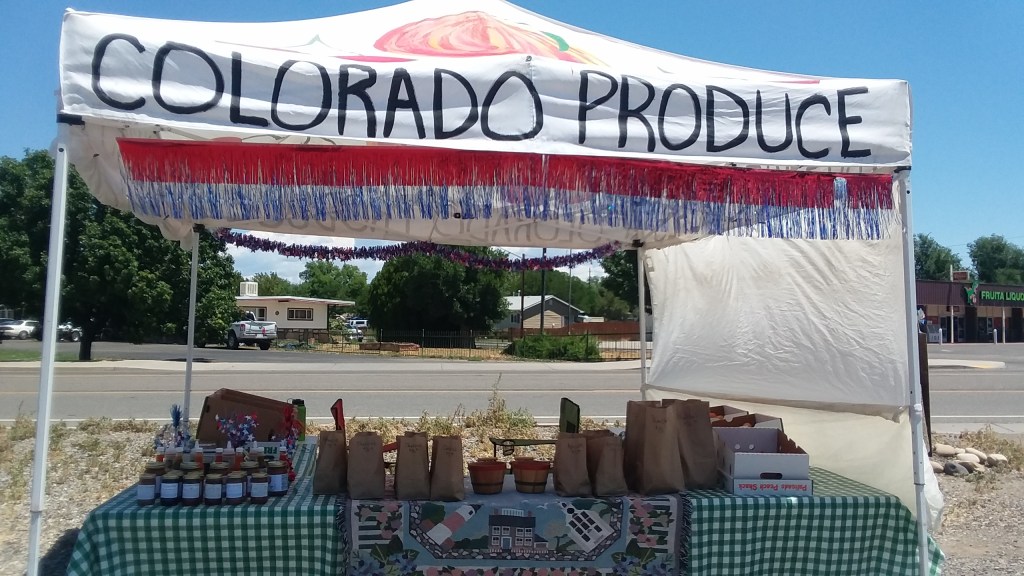
I have had many conversations on the side of the road, over peaches and tomatoes. I chat with strangers about the weather and politics. Over cherries and apricots, we’ve discussed faith, fear and loss. I feel like a bartender or a hair stylist. Passersby come to hear news or confide. These sources of information are more reliable than that of network news.
I’ve heard tales of courage and adventure. I’ve hugged strangers mourning the loss of a loved one. I’ve encouraged single moms to stay strong. I’ve made children smile by letting them pick their own fruit.
The old timers like to reminisce on the days when they would grow tomatoes and such. They give advice, then always comment on how the prices have gone up and how the times are changing.
I’ve endured every type of weather imaginable. Sometimes all in one day. I’ve learned to keep extra clothes in the truck, just in case. I’ve lost a tent to 70 mph wind. I’ve watched helplessly as the wind flipped a table over and the fruit and the scale went flying. I’ve frantically tried to protect boxes from torrential downpours that come out of nowhere and I’ve hid in my truck in many a lightning storm.
I’ve raised my son on the side of the road. He’s quite the salesman now. Many people have asked me why I do this work. Many have tried to talk me out of it. This is my 5th year roadside. I thoroughly enjoy it! It’s not about the money. I love being outside and talking to people. I believe in what I’m doing. People need to be reconnected to their food.
I’m part of a growing movement that is helping people to understand that what they eat is intrinsically connected to their health. The pandemic of 2020 helped this movement gain traction in a way. It showed people how reliant they are on an unreliable system. When the just-in-time system broke down and the stores were empty, people began to wake up to the fact that we need to get back to our roots and the old ways.
The western United States is in a severe drought. This is the worst it’s been in a very long time. The mighty Colorado river is drying up. Lake Meade’s hydro-electric dam won’t be able to produce power if the reservoir gets much lower and house boats are no longer allowed on Lake Powel. These are scary times…
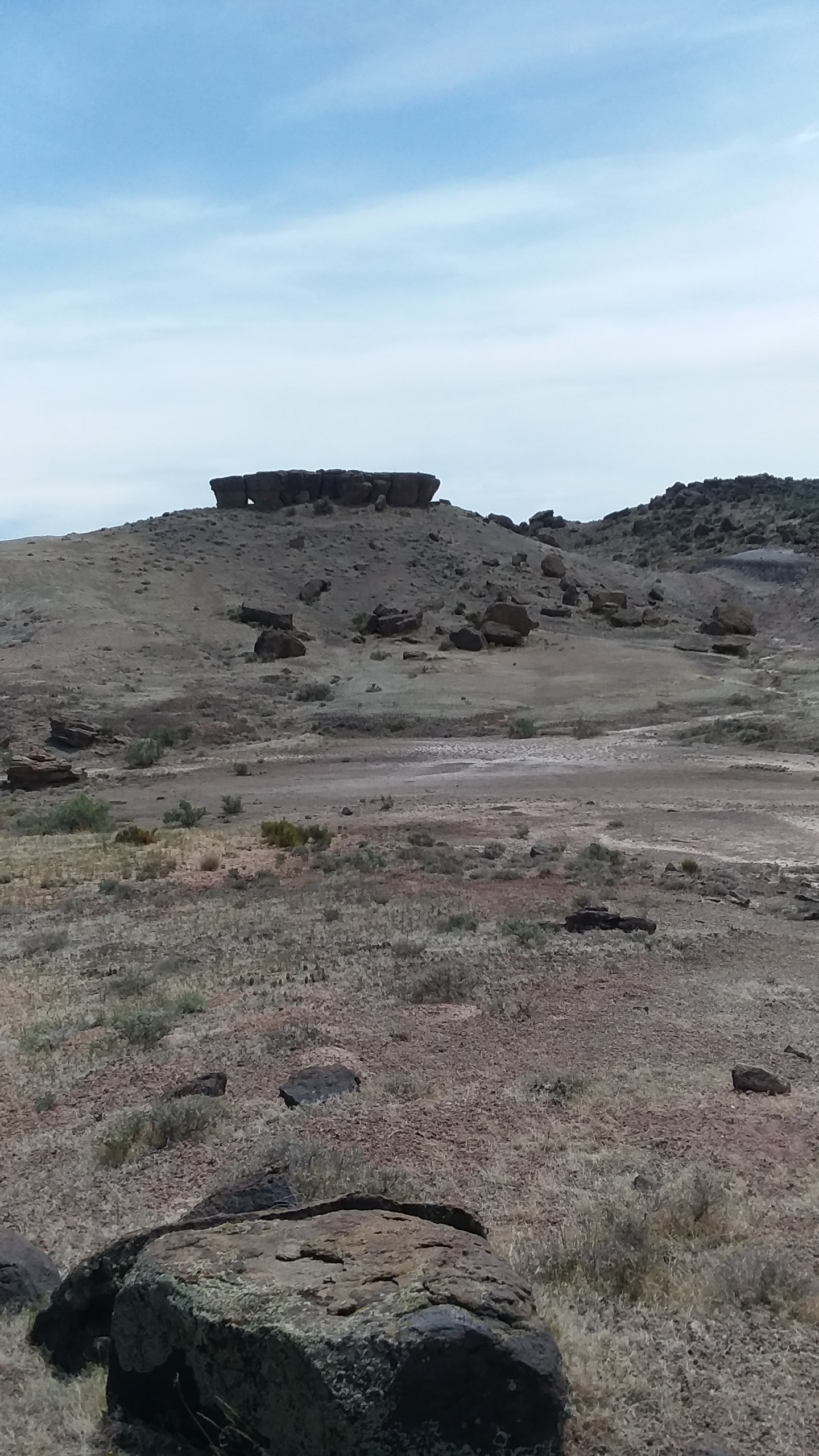
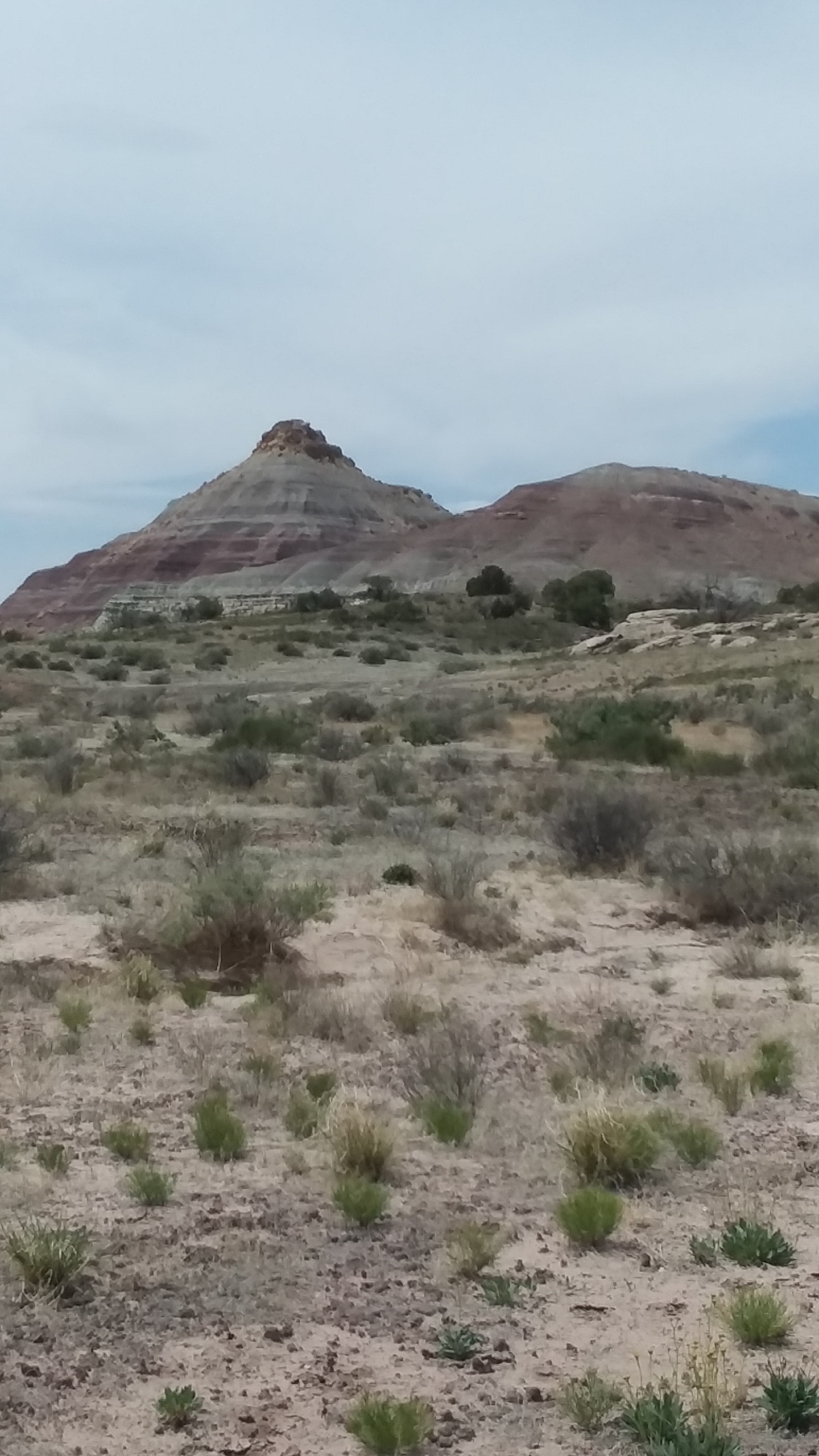
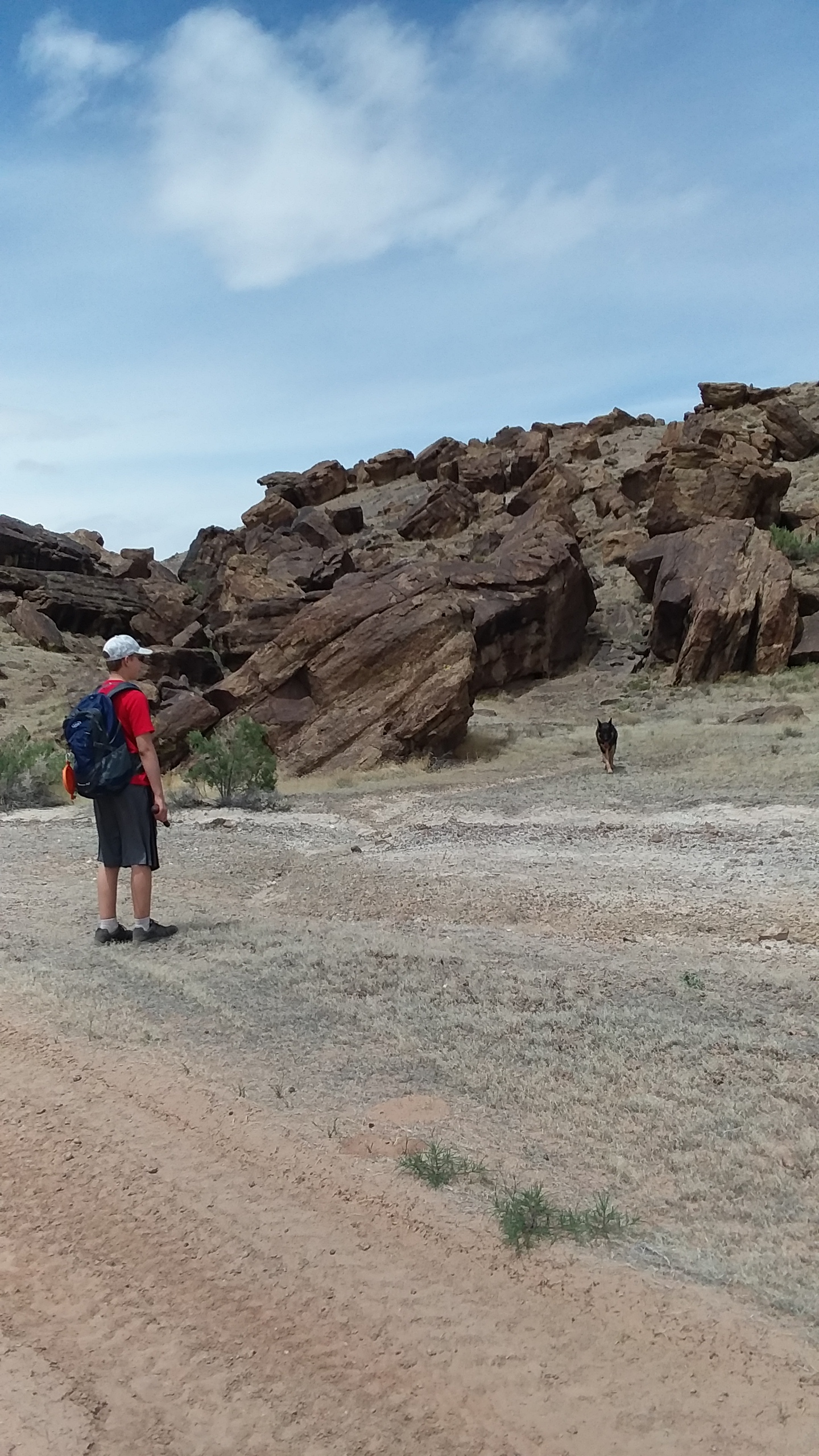
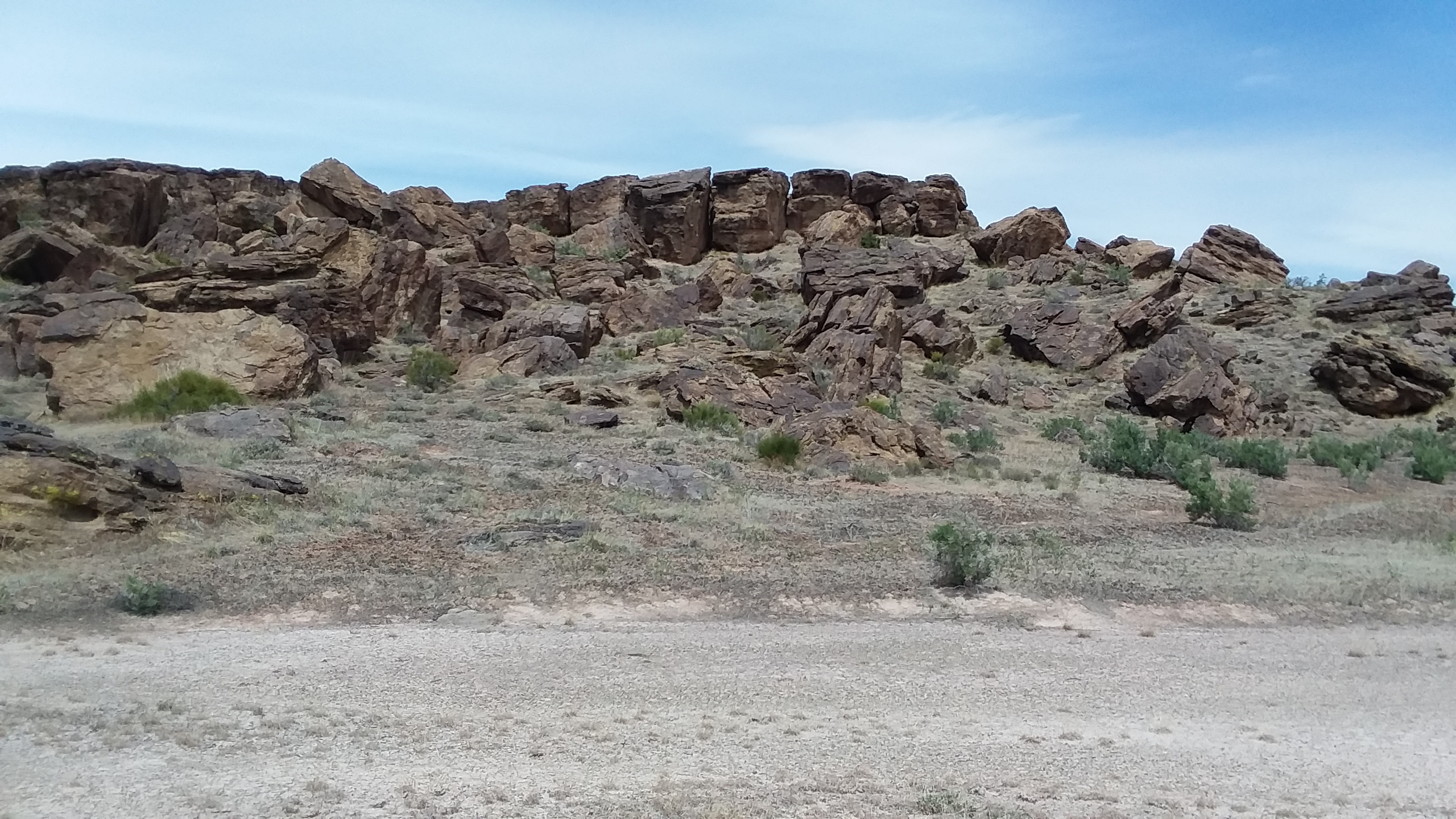
A few years ago, I stumbled upon a desert oasis on the Colorado/Utah border. The surroundings looked a lot like what I imagine the terrain of Mars to look like. There was water, in the middle of nowhere and I couldn’t figure out how it got there. My best guess was that it was a natural spring.
I went back there this mother’s day weekend. My son, me and my dog did some off-roading and a day hike to try to find this spot again. We found a wasteland and quicksand instead. The water had dried up and most of the wildflowers were gone.
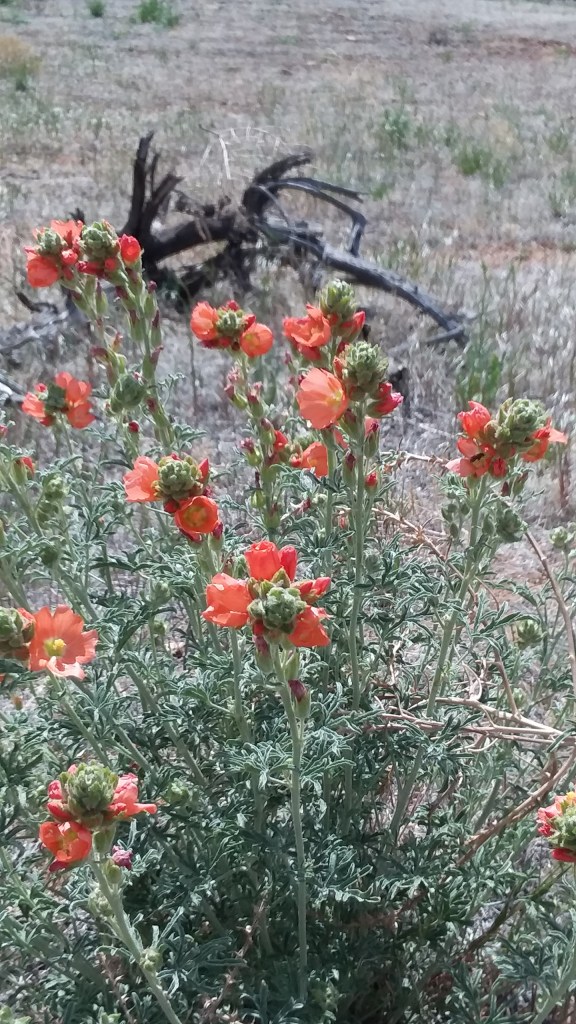
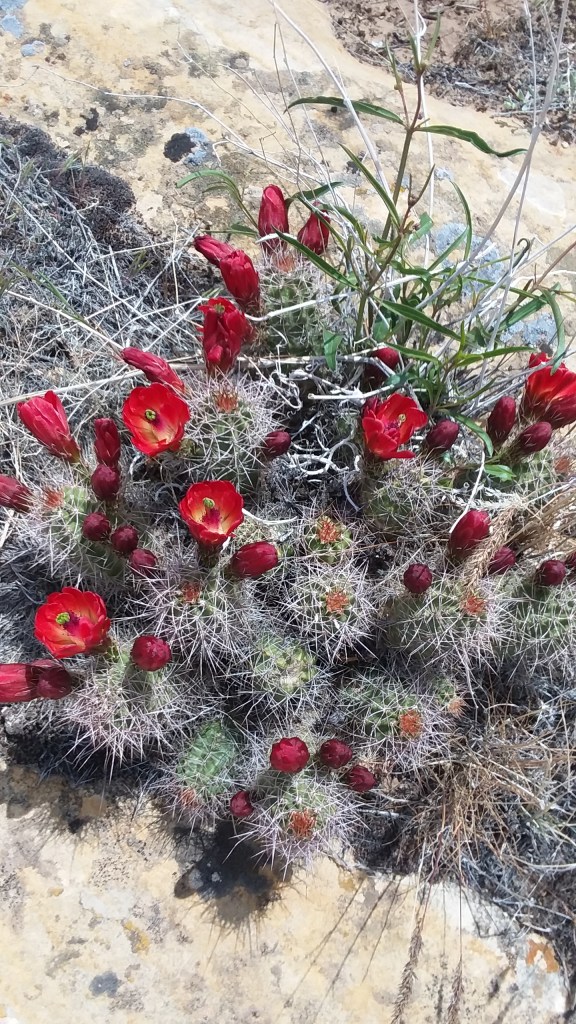
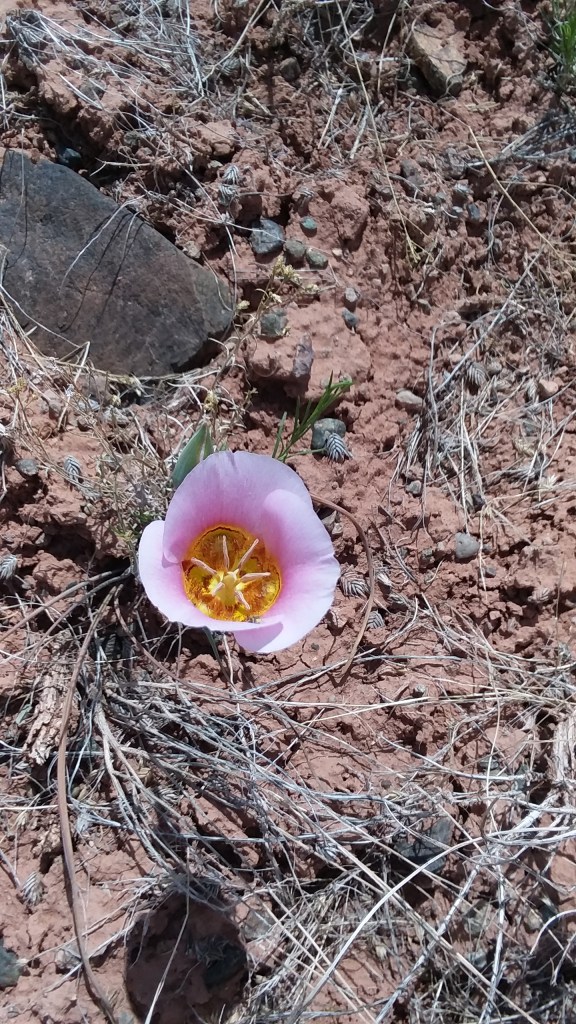
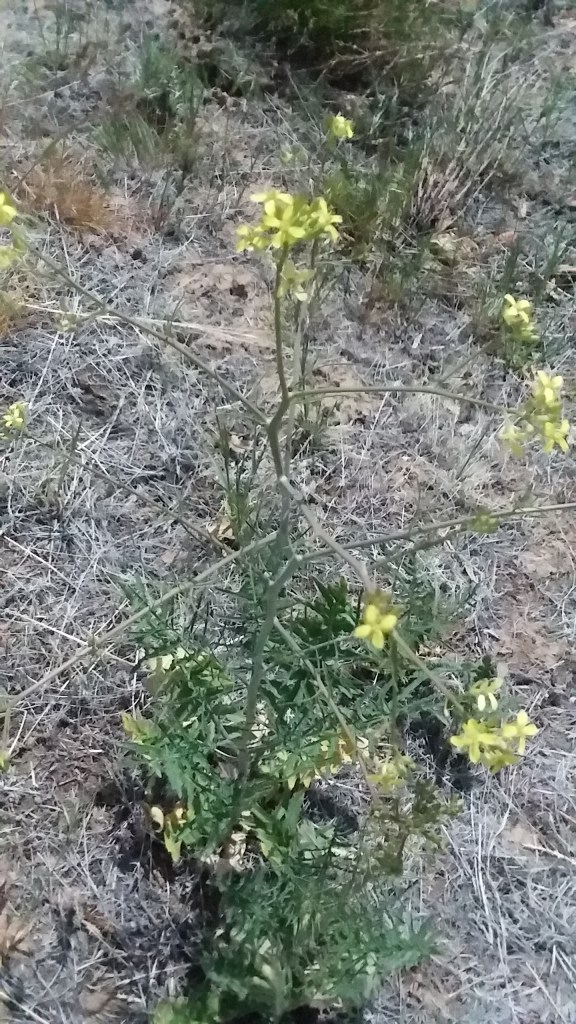
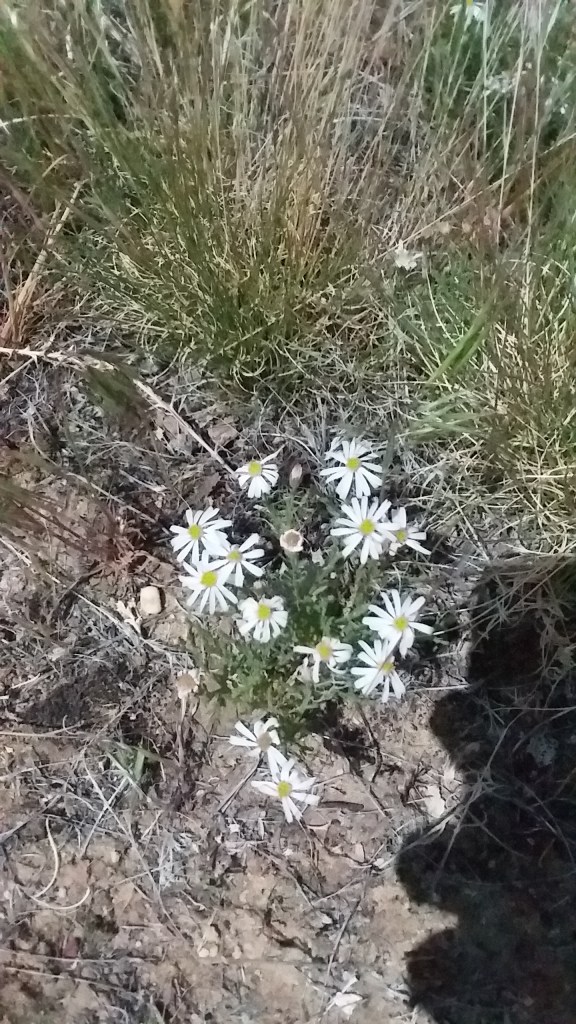
We left and went deeper into the desert to see what we could see. Luckily, the cactus was beginning to bloom. I found a handful of wildflowers as well.
It was a good day all in all, but it made me start to reconsider my residence. It’s impossible to be a farmer without water. Perhaps it’s time to go east….
The Tomato’s history can be traced back to the Mayans and Aztecs around 700 A.D. It is because of this that it is believed that the tomato is native to the Americas. A mutation was likely responsible for changing the small two-chambered wild tomatoes into the larger, lumpy, multi-chambered fruits that represent the vast majority of today’s tomatoes. It is the large tomatoes that were nurtured and developed by Central American farmers. The Aztecs named the plant “xitomatl”, or “large tomatl”.
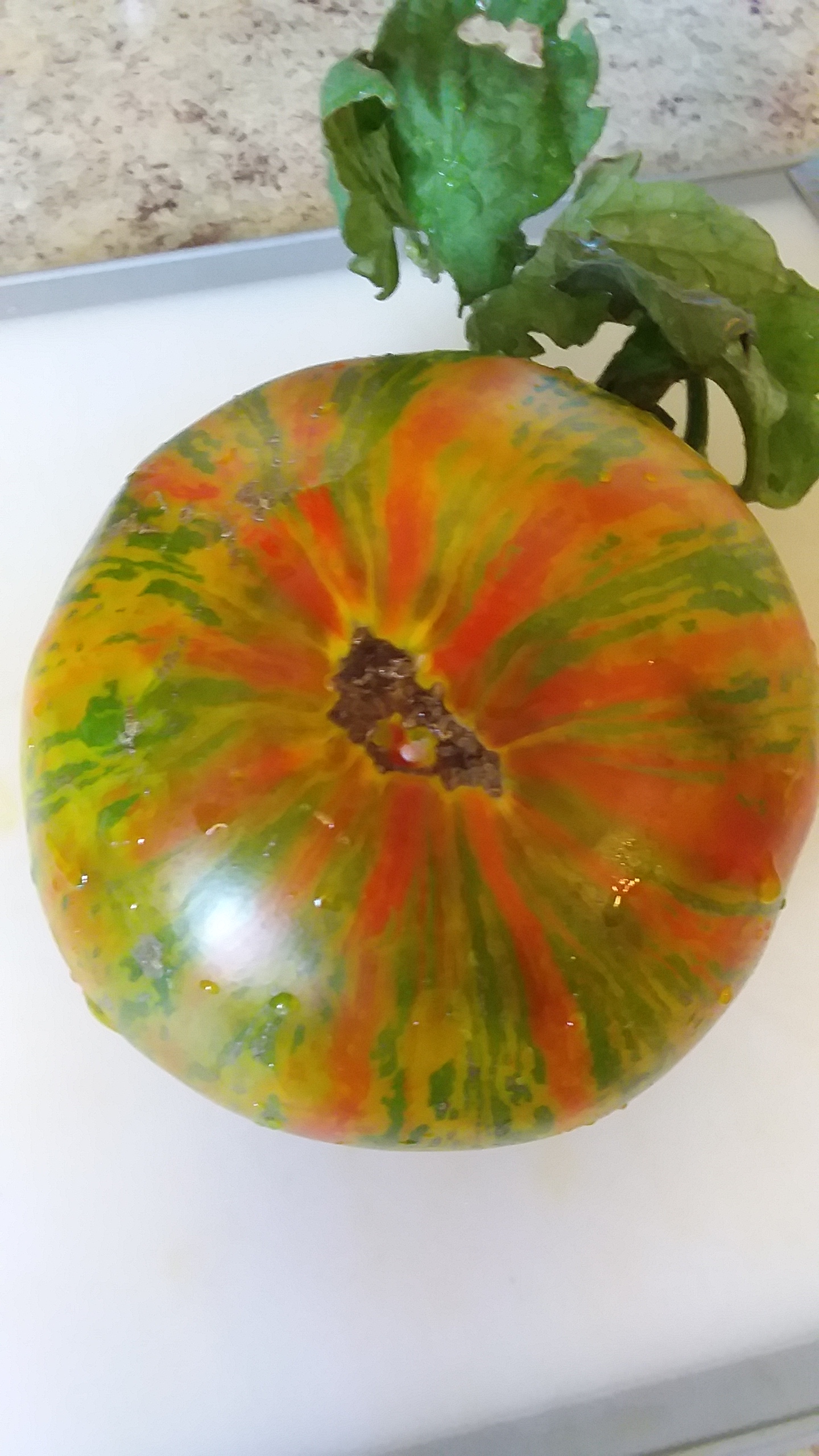
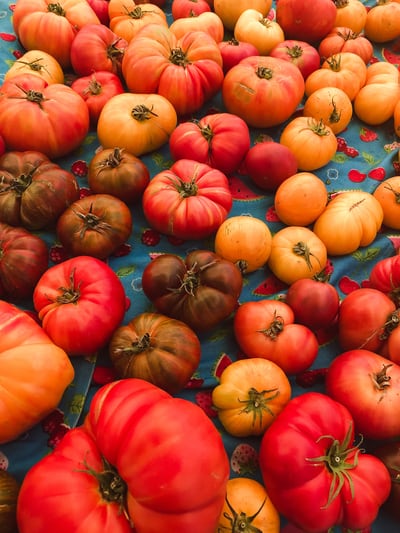
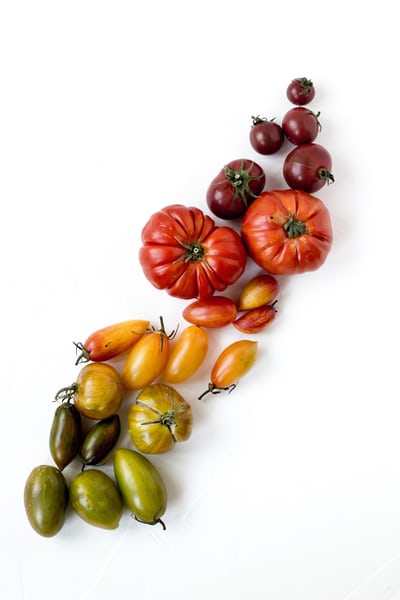
Lumpy tomatoes are beautiful too!
In 16th century Europeans discovered this fruit when the early explorers landed in the Americas and brought them back to their homeland. Throughout Southern Europe, the tomato was embraced and invited into the kitchen. As it travelled north to Great Britain, the tomato encountered resistance because of its resemblance to the Wolf Peach, which is poisonous.
The leaves of the tomato plant are actually poisonous, as are the leaves of all fruits in the deadly nightshade family. This family includes potatoes, peppers and eggplant as well.
Due to the fact that the dishes used by the elite and wealthy of Europe were made of pewter with a high lead content in the 1500’s, many people died after eating tomatoes. Apparently the acidity of the tomato has an adverse reaction to lead…. Poor people, who ate off of plates made of wood, did not have that problem. Therefore, tomatoes were only eaten by poor people until the 1800’s, especially by Italians. Think pizza!
Tomatoes have since become a staple item in most kitchens throughout the world. Every part of the world has its own tomato story. Tomatoes have a huge array of sizes, colors, flavors and uses. Tomatoes have had the biggest impact on Americans though. We consume over 12 million tons of tomatoes each year in one form or another! For example, in the form of ketchup, soups, sauces, on burgers, on sandwiches or as bite sized snacks.
According to Iroquois legend, a very long time ago, there were three sisters who lived in a field. The youngest was so small she could not yet walk so she crawled along the ground. She was dressed in green. The middle sister wore a bright yellow dress and loved to dart back and forth across the field. The eldest sister stood tall and straight, and her body would bend with the wind. She had long yellow hair and wore a green shawl. The three sisters loved one another very much and could not imagine living without the others.
One day a little Indian boy came to the field. He was very handsome and knew the ways of the land. He could talk with the birds and the animals and was straight and fearless. The three sisters were very intrigued by this boy as they watched him use his stone knife to carve a bowl or hunt with his bow and arrow.
Late in the summer of the boy’s first visit to the field, the youngest of the three sisters disappeared. She was the one who could only crawl along the ground. She could not even stand unless there was a stick she could cling to, but she was gone, and the other two sisters mourned her until the fall.
The Indian boy returned to the field to gather reeds that grew at the edge of a small stream. He used the reeds to make arrow shafts. The two remaining sisters watched him with fascination. That night, the second sister disappeared.
Now there was only one sister left, the tall and straight sister. She did not bow her head in sorrow, though she mourned deeply and thought she could not live in the field alone without her sisters. As the days grew shorter and colder, her green shawl began to lose its color and her yellow hair became brown and tangled. Night and day she cried for her sisters, but her voice was lost in the wind, and no one heard her.
One day during harvest season, the little Indian boy heard the third sister crying, and he felt sorry for her. He took her in his arms and carried her to his home, and there a wonderful surprise awaited her. Her sisters were there in the lodge, safe and very glad to be reunited. They explained that they had been curious about the little Indian boy and had followed him home. They had decided to stay because winter was coming and his home was warm and comfortable.
The sisters made themselves useful to the boy and his family. The youngest, now all grown up, kept the dinner pot full, while the second sister, still in her yellow dress, dried herself on the shelf so she could fill the dinner pot later in the winter. The eldest sister was so pleased to be with her sisters again and so impressed with the help they gave the boy that she too began drying herself so the family would have meals to eat as the winter went on.
And from that day to this, the three sisters were never separated again.
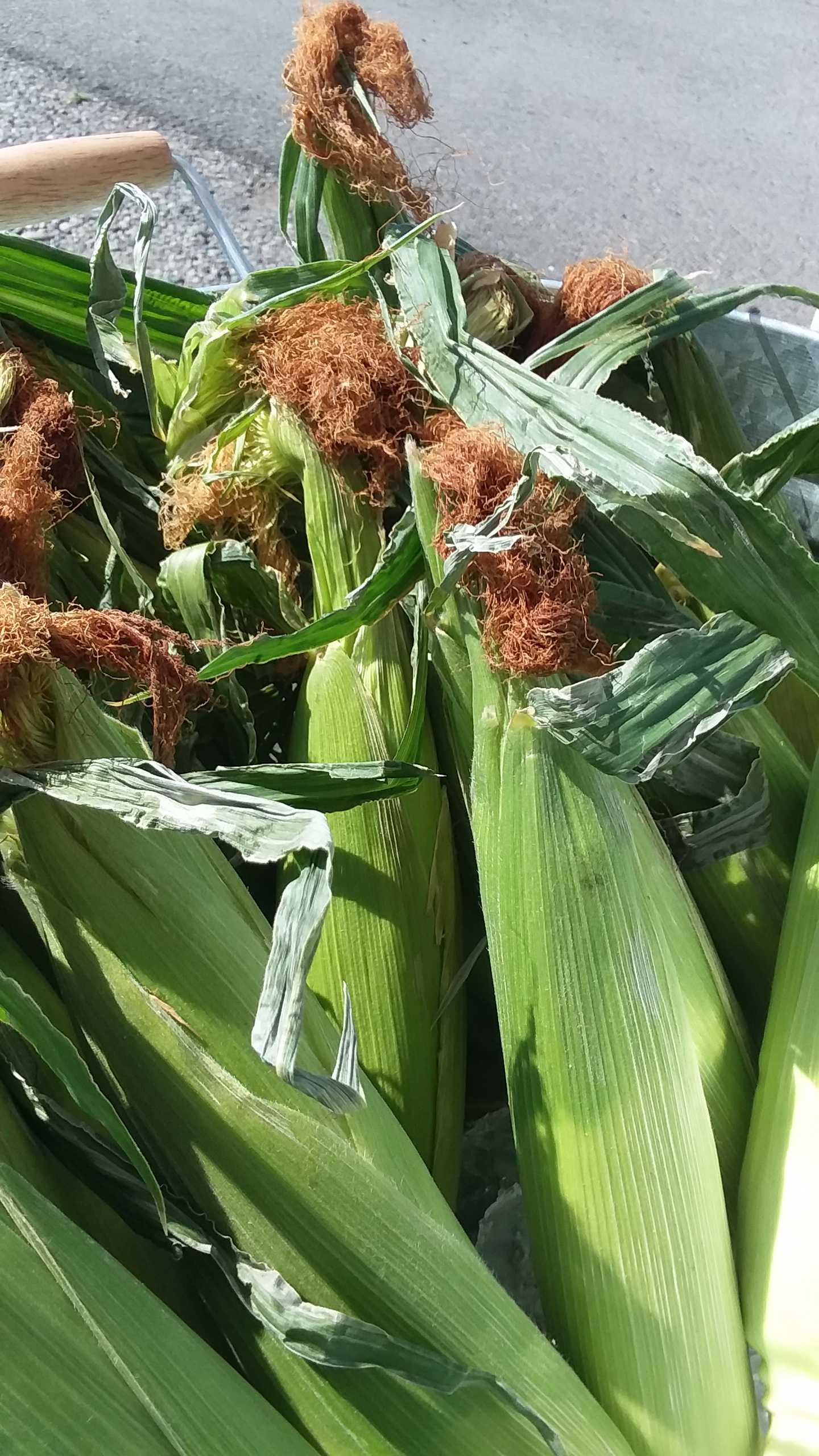
In many Native American cultures, the three sisters were and still are very important crops. The three sisters consist of corn, climbing beans and squash. Many different varieties can be used but traditionally they are winter squash, common bean and Indian corn. All three can be dried and saved for later use. This was important for native tribes whether nomadic or agrarian.
Corn should be planted first so that it can grow tall enough above the other crops. Plant the beans 2-3 weeks later, or when the corn is a few inches tall. When the beans start sending out their tendrils to climb, the corn will be tall enough to support them. Plant squash seeds 1 week later after the beans have sprouted. You don’t want the large squash leaves to shade out young corn and bean seedlings before they have time to get established.
I love color in my garden so I tend to plant scarlet runner beans and butternut or spaghetti squash. Pumpkin would be good for color too. The runner beans are a deep purple while the butternut is a soft tan and the spaghetti squash is a bright yellow.
The stalks of the corn provide a natural trellis for the climbing beans. The beans fix nitrogen into the soil from the air which is helpful to the corn because corn needs nitrogen to grow well. The large leaves of the squash plants help to retain soil moisture and shade out the weeds.
All three sisters are a staple in American Southwest cuisine today. Throw in some green chilies for some extra kick!











 Nomadic Farmer