I am passionate about life! I'm obsessed with traveling as well as growing and eating healthy food. I am too nomadic for my own good... I believe in living life to the fullest on every level. Breathe deep, laugh loud, be silly, don't save the best for last, have many adventures, learn as much as you can and share it with everyone!
The Tomato’s history can be traced back to the Mayans and Aztecs around 700 A.D. It is because of this that it is believed that the tomato is native to the Americas. A mutation was likely responsible for changing the small two-chambered wild tomatoes into the larger, lumpy, multi-chambered fruits that represent the vast majority of today’s tomatoes. It is the large tomatoes that were nurtured and developed by Central American farmers. The Aztecs named the plant “xitomatl”, or “large tomatl”.
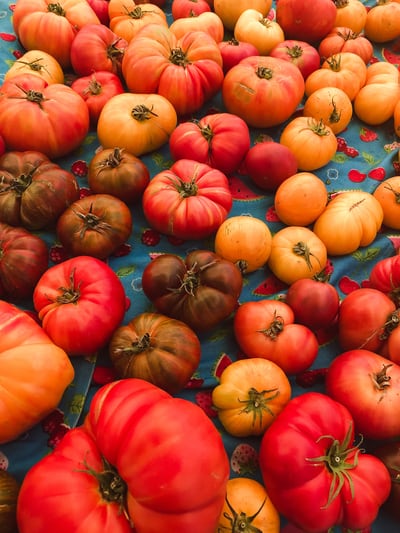
Lumpy tomatoes are beautiful too!
In 16th century Europeans discovered this fruit when the early explorers landed in the Americas and brought them back to their homeland. Throughout Southern Europe, the tomato was embraced and invited into the kitchen. As it travelled north to Great Britain, the tomato encountered resistance because of its resemblance to the Wolf Peach, which is poisonous.
The leaves of the tomato plant are actually poisonous, as are the leaves of all fruits in the deadly nightshade family. This family includes potatoes, peppers and eggplant as well.
Due to the fact that the dishes used by the elite and wealthy of Europe were made of pewter with a high lead content in the 1500’s, many people died after eating tomatoes. Apparently the acidity of the tomato has an adverse reaction to lead…. Poor people, who ate off of plates made of wood, did not have that problem. Therefore, tomatoes were only eaten by poor people until the 1800’s, especially by Italians. Think pizza!
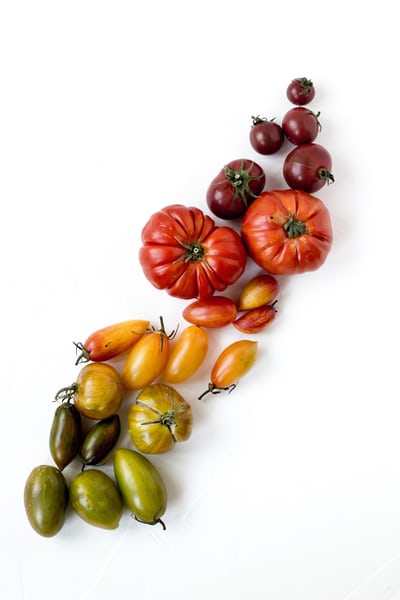
Tomatoes have since become a staple item in most kitchens throughout the world. Every part of the world has its own tomato story. Tomatoes have a huge array of sizes, colors, flavors and uses. Tomatoes have had the biggest impact on Americans though. We consume over 12 million tons of tomatoes each year in one form or another! For example, in the form of ketchup, soups, sauces, on burgers, on sandwiches or as bite sized snacks.
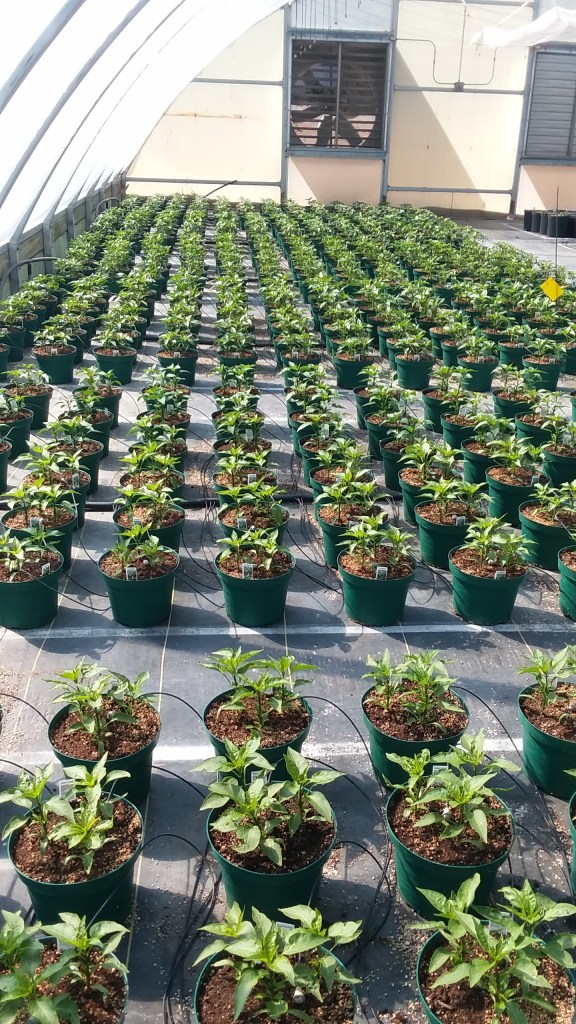
In the Spring of 2007, shortly after I got out of the military, I got a job at a plant nursery in Virginia Beach, VA. This is where I discovered my love of all things plant. Fast forward to Spring of 2021, I received a phone call from a greenhouse that I had previously worked for. They asked if I would like to come back and help them with their bedding plants. I said yes and started the following Monday.
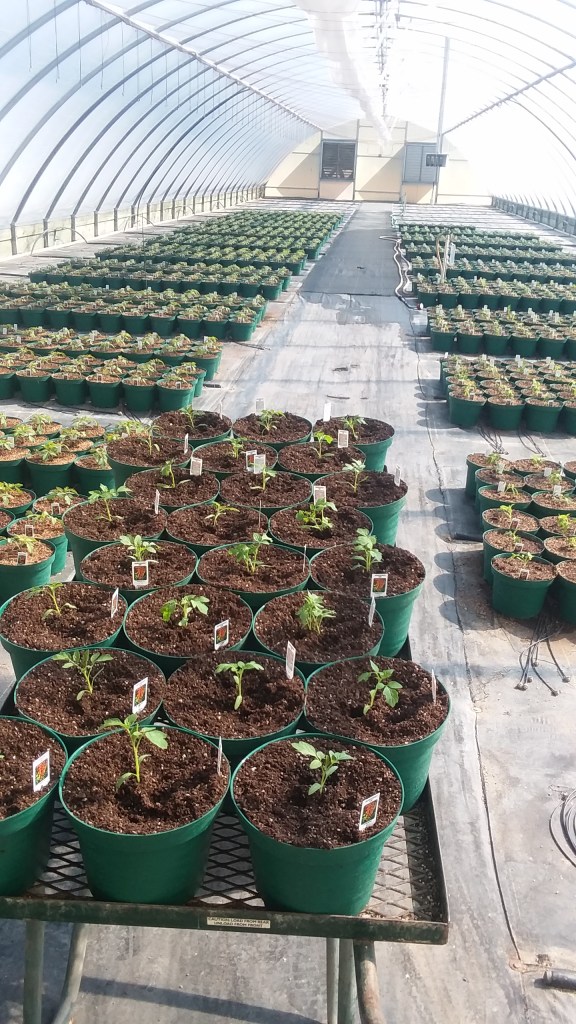
Transplanting brings me joy!
The prospects of what these tiny baby plants will become in just a few short months makes me smile from the inside out.
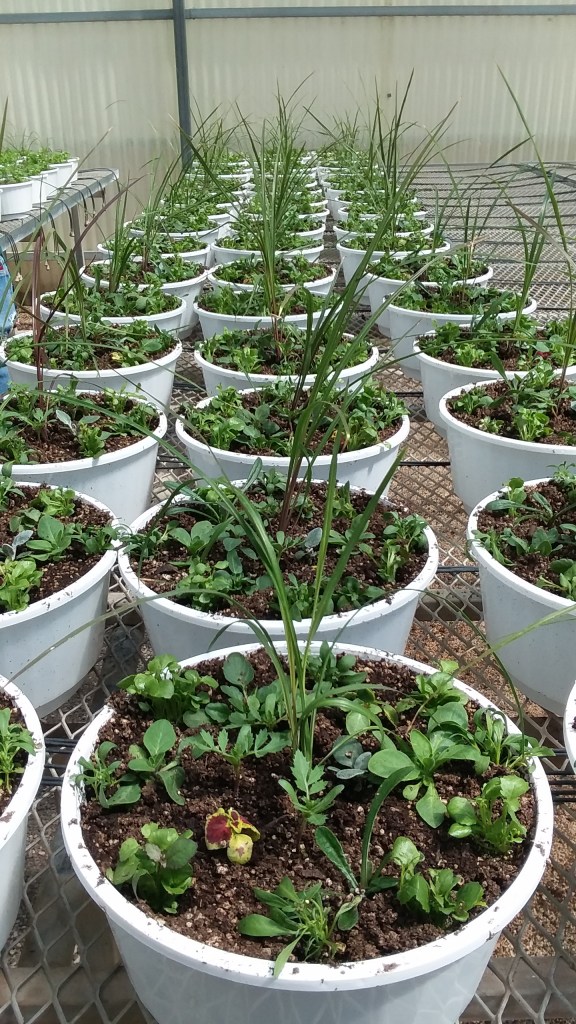
Fresh food and bright colors that will fill home gardens. People’s satisfaction of being able to put food on the table and decrease grocery costs. Enjoyment of a beautiful flower basket on a patio table at a family barbeque.
I have worked at a few greenhouses and nurseries over the years. I’ve worked on many different kinds of farms as well. I have had experience in everything from vineyards to orchards to vegetable farms and even with hemp. I have learned so much over the years and there is still so much to learn but it never gets old.
Since that first experience in Virginia, I have dreamed of starting my own greenhouse/farm type business. Working with plants is my dream job! It’s not an easy job by any means. It’s hot and it’s dirty, it’s heavy lifting and long hours, but it’s my happy place. I honestly can’t think of anything else I’d rather do!
It is time to start seeds for the longer season, heat loving vegetables that I love so much. Tomatoes and peppers! Amongst other things, like eggplant and squash and cucumbers and melons and herbs and……….
The struggle is real! I love them ALL so much but I only have so much room. Every year I have to force myself to only choose a couple of varieties of each. Do I plant the ones I know I love? Do I plant new varieties I am sure to fall in love with? One of each? It’s awful (&beautiful!). There are too many varieties to choose from and too long of a wait until next year. All the lovely pictures in the seed catalog don’t help either. I need help….
What are your favorite varieties? Do you like your peppers spicy or sweet? Big or small? Do you like your tomatoes big and juicy or small and snackable? What colors are your favorite? Let me know in the comments below!
According to Iroquois legend, a very long time ago, there were three sisters who lived in a field. The youngest was so small she could not yet walk so she crawled along the ground. She was dressed in green. The middle sister wore a bright yellow dress and loved to dart back and forth across the field. The eldest sister stood tall and straight, and her body would bend with the wind. She had long yellow hair and wore a green shawl. The three sisters loved one another very much and could not imagine living without the others.
One day a little Indian boy came to the field. He was very handsome and knew the ways of the land. He could talk with the birds and the animals and was straight and fearless. The three sisters were very intrigued by this boy as they watched him use his stone knife to carve a bowl or hunt with his bow and arrow.
Late in the summer of the boy’s first visit to the field, the youngest of the three sisters disappeared. She was the one who could only crawl along the ground. She could not even stand unless there was a stick she could cling to, but she was gone, and the other two sisters mourned her until the fall.
The Indian boy returned to the field to gather reeds that grew at the edge of a small stream. He used the reeds to make arrow shafts. The two remaining sisters watched him with fascination. That night, the second sister disappeared.
Now there was only one sister left, the tall and straight sister. She did not bow her head in sorrow, though she mourned deeply and thought she could not live in the field alone without her sisters. As the days grew shorter and colder, her green shawl began to lose its color and her yellow hair became brown and tangled. Night and day she cried for her sisters, but her voice was lost in the wind, and no one heard her.
One day during harvest season, the little Indian boy heard the third sister crying, and he felt sorry for her. He took her in his arms and carried her to his home, and there a wonderful surprise awaited her. Her sisters were there in the lodge, safe and very glad to be reunited. They explained that they had been curious about the little Indian boy and had followed him home. They had decided to stay because winter was coming and his home was warm and comfortable.
The sisters made themselves useful to the boy and his family. The youngest, now all grown up, kept the dinner pot full, while the second sister, still in her yellow dress, dried herself on the shelf so she could fill the dinner pot later in the winter. The eldest sister was so pleased to be with her sisters again and so impressed with the help they gave the boy that she too began drying herself so the family would have meals to eat as the winter went on.
And from that day to this, the three sisters were never separated again.
In many Native American cultures, the three sisters were and still are very important crops. The three sisters consist of corn, climbing beans and squash. Many different varieties can be used but traditionally they are winter squash, common bean and Indian corn. All three can be dried and saved for later use. This was important for native tribes whether nomadic or agrarian.
Corn should be planted first so that it can grow tall enough above the other crops. Plant the beans 2-3 weeks later, or when the corn is a few inches tall. When the beans start sending out their tendrils to climb, the corn will be tall enough to support them. Plant squash seeds 1 week later after the beans have sprouted. You don’t want the large squash leaves to shade out young corn and bean seedlings before they have time to get established.
I love color in my garden so I tend to plant scarlet runner beans and butternut or spaghetti squash. Pumpkin would be good for color too. The runner beans are a deep purple while the butternut is a soft tan and the spaghetti squash is a bright yellow.
The stalks of the corn provide a natural trellis for the climbing beans. The beans fix nitrogen into the soil from the air which is helpful to the corn because corn needs nitrogen to grow well. The large leaves of the squash plants help to retain soil moisture and shade out the weeds.
All three sisters are a staple in American Southwest cuisine today. Throw in some green chilies for some extra kick!
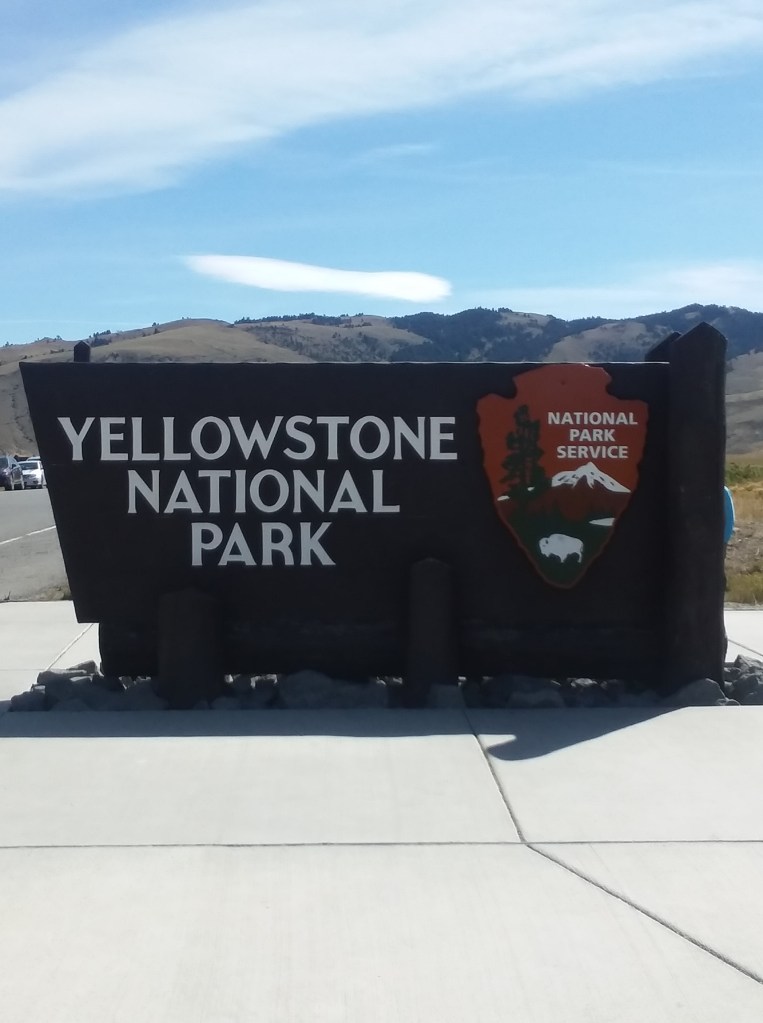
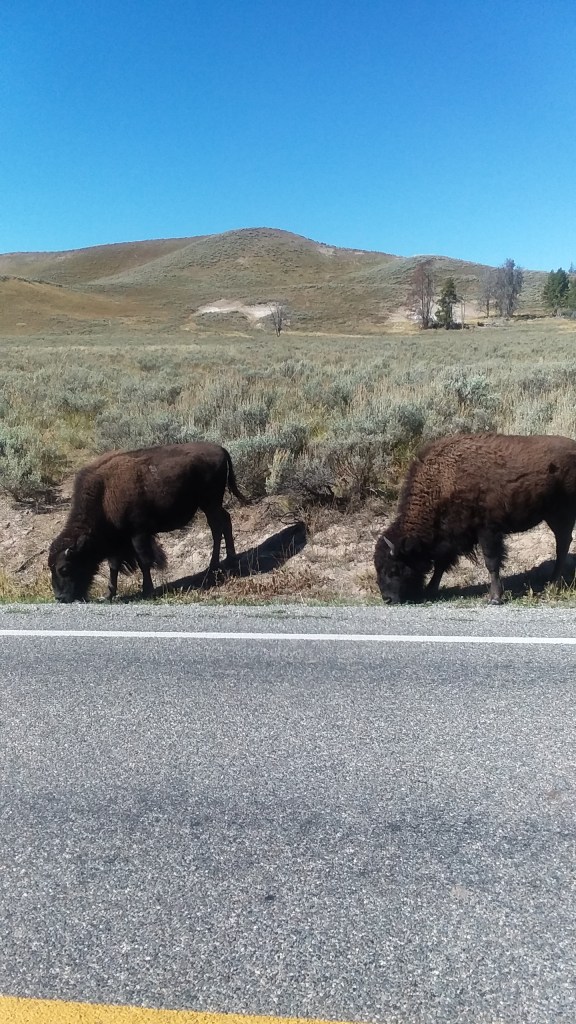
I am not going to lie, I miss 2019. In September of 2019 I had just wrapped up my 3rd year of roadside produce sales in a small mountain town in northern Colorado. It was a good season. We had decent weather and made good money. We decided to go on a big adventure. I got new tires on the truck, packed the camping gear and headed to Yellowstone National Park.
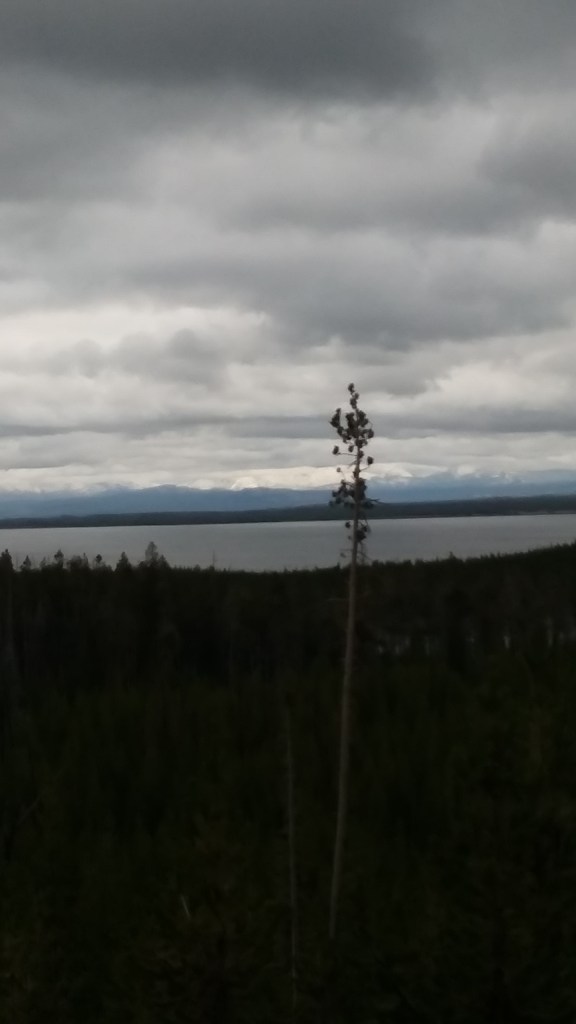
I knew I was racing the weather but I had to go. My son was 11. I was 12 the first time I went. We experienced all four seasons in one week. The elk and the moose were in the rut. The wolves howled all night down by the lake. Buffalo were everywhere. We slept on the ground in a tent, under the stars. We hiked every trail and took pictures of everything. We were free…
I didn’t want to leave….
In January of 2020, I felt in my spirit that something wasn’t right… The news said a new virus outbreak was taking place in China. It spread fast and the world shut down. Like everyone else, I couldn’t believe what was happening. I tried to live a normal life but it was evident that normal was no longer a thing.
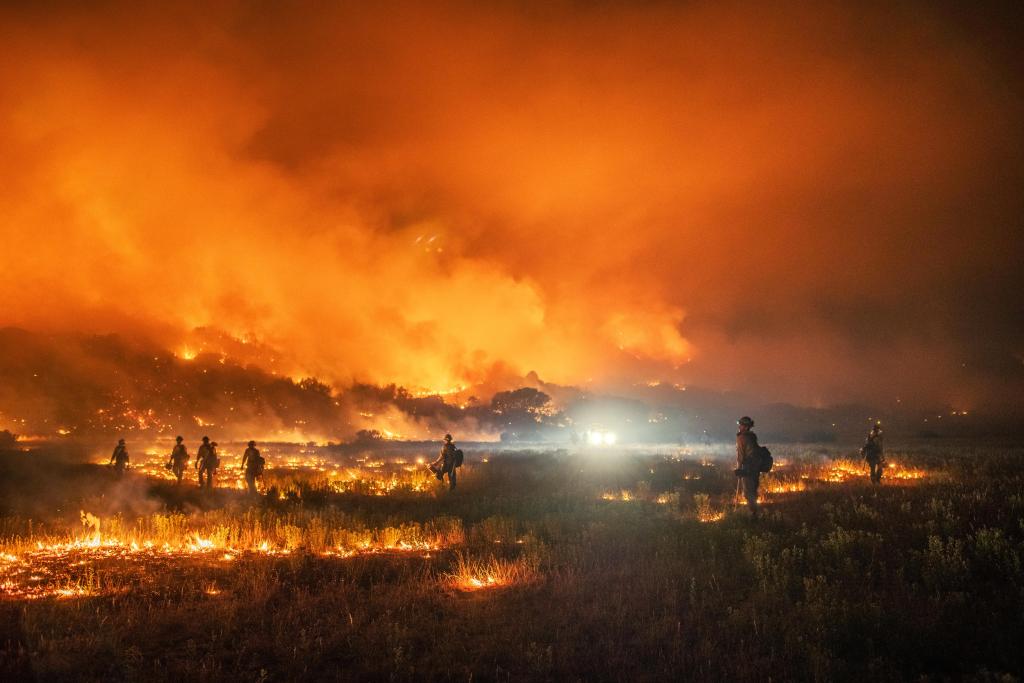
There were a lot of other things that affected my little world in 2020. The world famous stone fruits that grow in our valley experienced a hard freeze in May. 90% of all the crops in the valley were lost. Then in July, the Pine Gulch fire happened. It ended up being the 2nd largest wildfire in Colorado history.
Firefighters work during the night battling the Pine Gulch fire. (Photo courtesy of Wyoming Hotshots/Inciweb)
I had started my first market farm. Previously, I was a peddler of other peoples produce. I pushed forward with my goal of becoming a farmer. It was successful and I learned much. As time marched on, it became painfully obvious that there was no going back. It was time to adapt and overcome. I had to come up with a plan.
Through the pandemic, I learned to be still. I learned to breathe deeper and take time to cry (& occasionally throw rocks at the hillside.) I read a lot and write even more now. It’s a form of release. I learned that fear is a powerful and destructive force. I learned not to be afraid and to stare down adversity with peace in my heart. I learned that I am stronger than I thought and I am determined to stay the course and continue to follow my dreams…
I’m so excited I can barely contain myself! I am almost finished completely revamping the garden! All of a sudden my friends, family and neighbors are asking if I would like to “farm” their yards. Of course I would!
One problem is that the soil around here is very alkaline. It would require a lot of amendments to remedy it. Raised beds would be very conducive with short season crops such as lettuce, radishes and bunching onions. Another problem is that the cost of living is rising quickly.
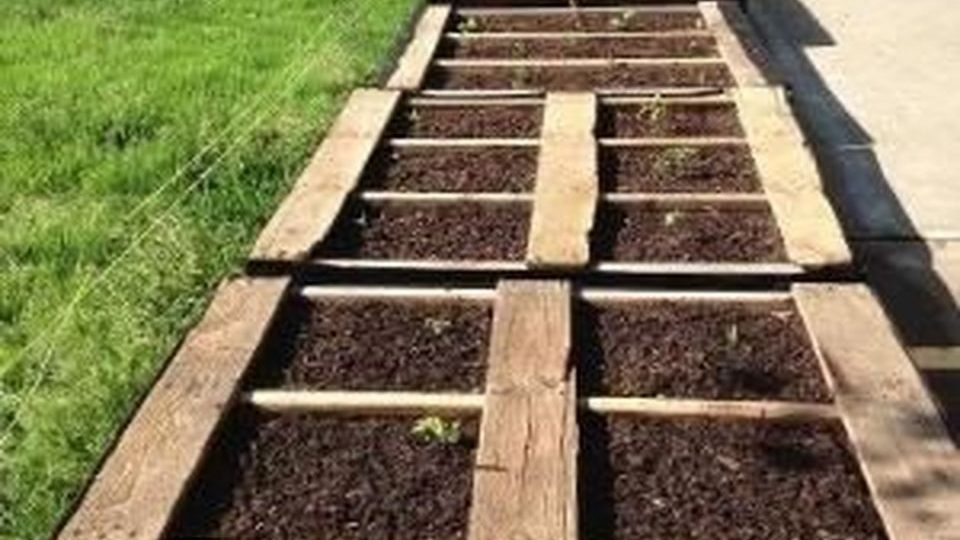
Things like soil amendments and lumber are getting very expensive. Luckily, there is a solution! I can usually find free pallets almost anywhere. They are relatively easy to disassemble and reassemble into raised beds or garden boxes. They will also reduce the amount of amendments needed. Problems solved!
My dog is going to be so excited about fresh carrots!
The gut is where health starts. When you have problems in your gut, your body starts to shut down. Literally everything that ails people is somehow connected to gut health.
80% of the immune system is located in the digestive system. If this system is hindered or failing, it directly affects how all of the body’s other systems react. It’s a domino effect.
Some of the ailments linked to digestive issues include thyroid problems, skin problems, sinus issues, joint pain and even mental disorders! The list goes on with diabetes, ulcerative colitis, Crohn’s disease and even Lupus and Multiple Sclerosis. This is serious stuff!
With the current health crisis, it is even more important to keep your immune system strong and functioning correctly. Luckily, there are many ways to do this! As a start, chew more, eat less. Breathe intentionally and deeply. Drink more water. Get off your butt and get moving!
First things first. You must change the way you think about food. How often do you eat out? Do you prepare meals at home? Or do you get the majority of your meals from the drive-thru? When you buy groceries, how much of what you buy comes from the produce section? How much of it comes in a box?
If you get your meals from a drive-thru more than once a month, stop. Even once per month is too much. The so-called “food” at fast food restaurants will do nothing but increase your problems.
This is where some people will argue that “healthy food is too expensive” or that they “don’t have the time to cook”. These ideas are both false. Eating healthy foods, prepared at home is less expensive than going out. Eating a diet of mainly vegetables which are raw or minimally cooked is the healthiest.
Americans have grown accustomed to eating a protein, a starch and (maybe) a vegetable with virtually every meal. Unfortunately, our digestive system does not handle this well. I have found that limiting the intake of carbs and sugars makes me feel less sluggish and tired and more focused.
Carbs and sugars are similar and many things fall into this category. Just as an example, carbs and sugars include bread, pasta, potatoes, sweets, soda etc. I’ll write more about this in another post…..
If you prioritize your time, you’ll find that there is plenty of time to prepare healthy meals at home. The harsh reality is that if you don’t pay for it now, you will pay for it later. Nothing is more important than your health!
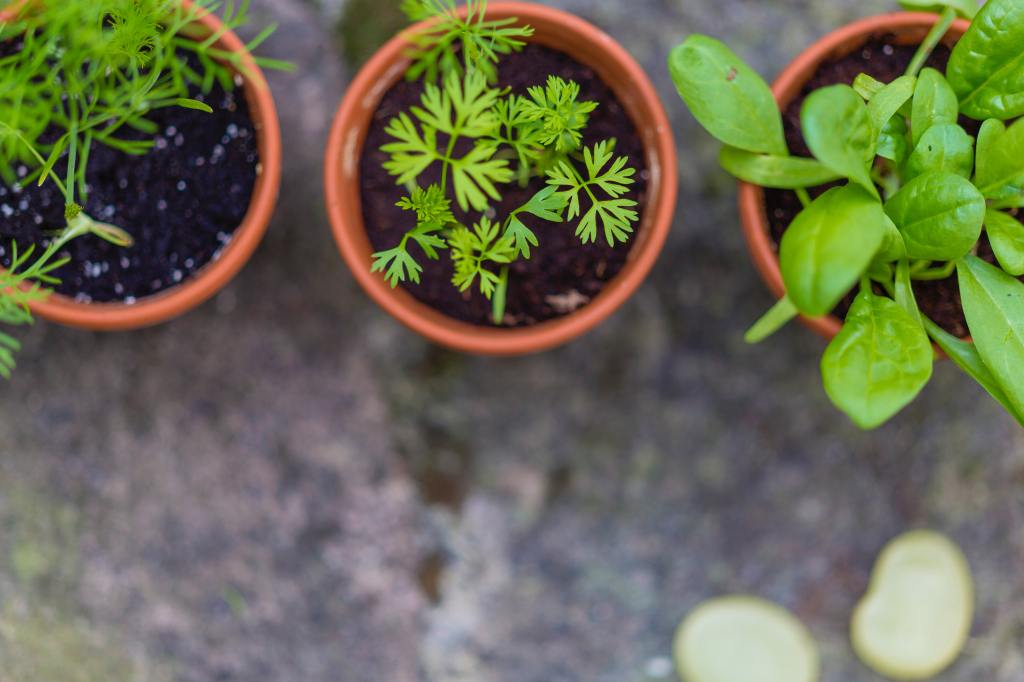
I have found a new obsession and it keeps getting worse (or better)! Dwarf variety vegetables are awesome! They can be grown in a small pot either indoors or outside. They can be used as edible home décor or edible landscaping.
I just planted seeds for a dwarf tomato plant and a dwarf pea plant. They are both content with 6-8 inch pots. It has only been 5 days and they are already sprouting!
I have discovered dwarf cauliflower, broccoli, eggplant and even avocado! I’m sure there are many more and I feel like a kid in a candy store!
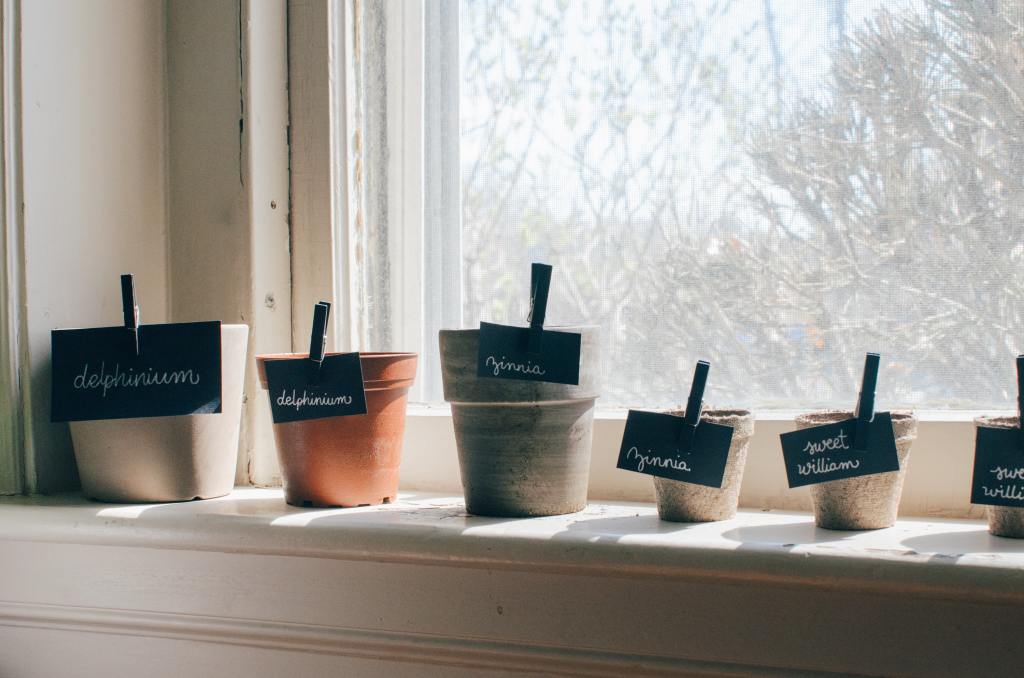
It’s January & I know it’s early…. Like, really early to be thinking about planting but I just got my seed catalog in the mail! Short season crops are my new obsession. That and dwarf varieties…
Short season crops are great because they are mostly cold hearty and are ready for harvest in 65 days or less. You can grow pretty much all of them in pots as well, which is extra great if you are limited on space!
Another benefit of short season crops is, if you’re not super limited on space, you can grow a ton of food and get multiple harvests in a season. How much you grow depends on what you plan to do with all that bounty. You can sell it at your local farmer’s market, freeze it, dry it, dehydrate it or just eat it before it gets inside! (I do a lot of “snacking” while weeding). The possibilities are endless!
Here’s a quick list of short season crops :
lettuce
beets
radishes
bunching onions
turnips
chard
kale
green beans/wax beans
snap peas
spinach
I am especially fond of heirloom varieties. They have history & cool back stories. They are also more colorful and nutritionally dense than the usual offerings at the grocery store.
Most of the veggies mentioned above are cold hardy so you can start seeds outdoors when the day time temperature is 55-60 degrees or you can start seeds in pots indoors whenever you like if you have ample space and sunlight!
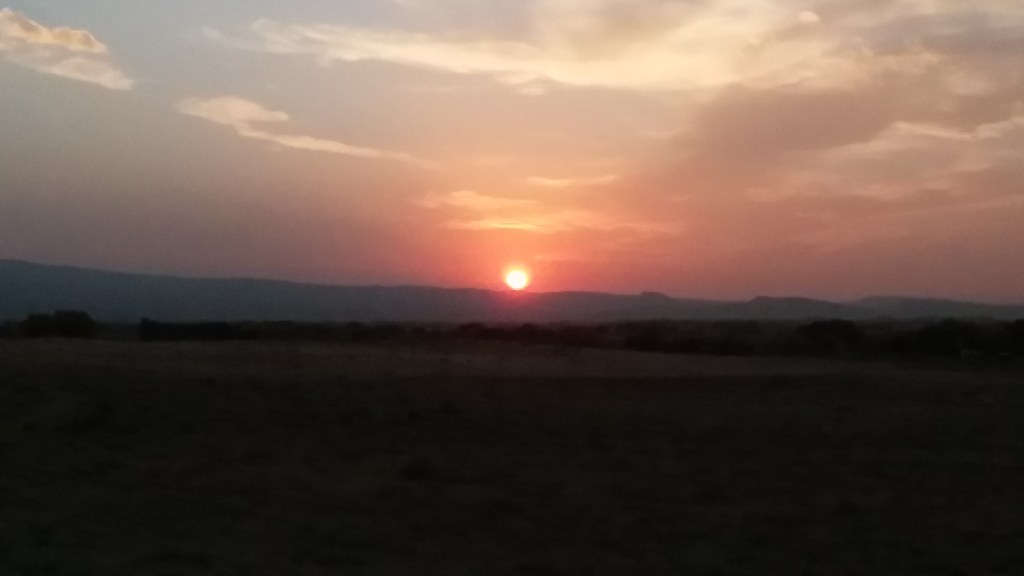
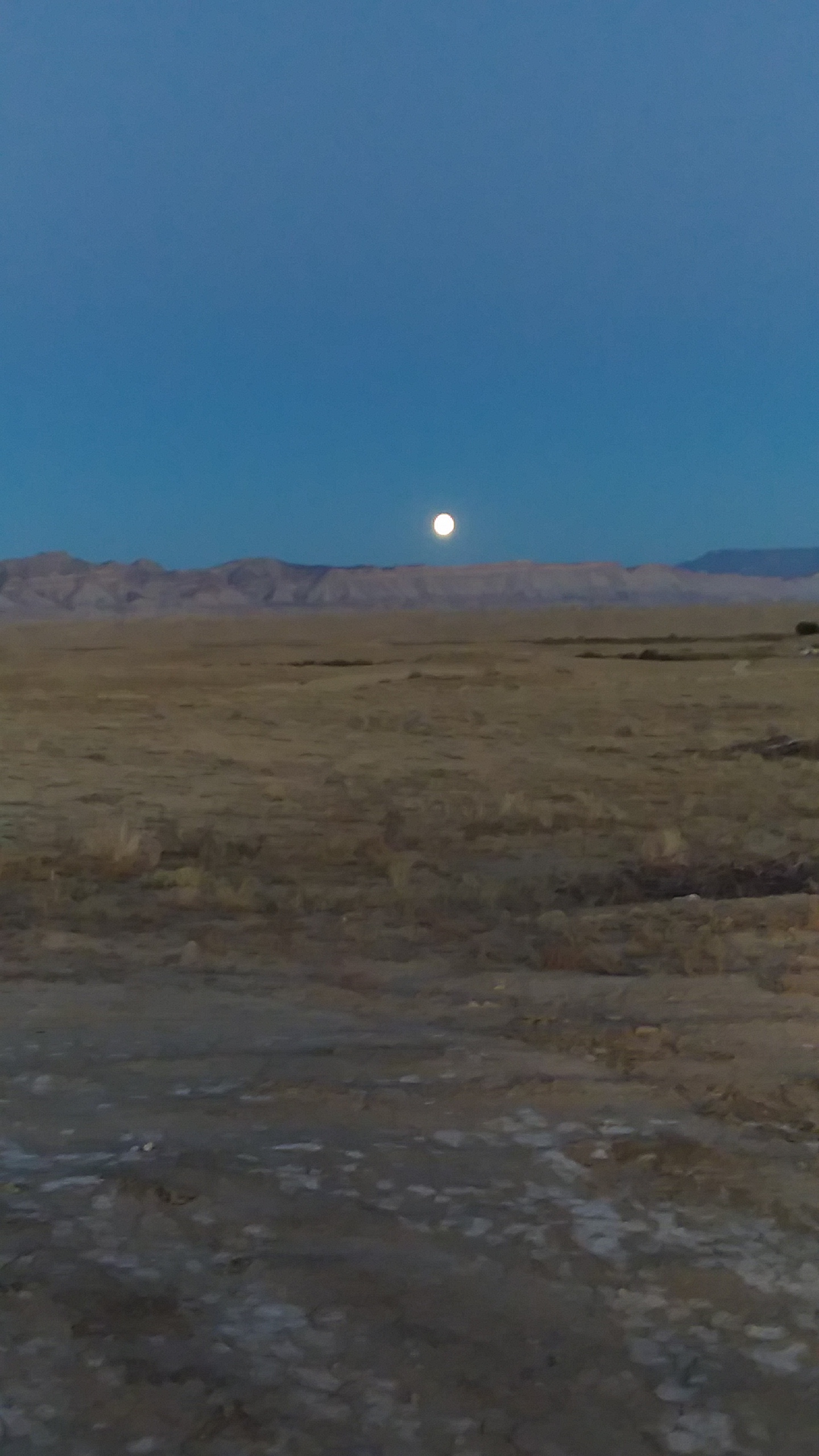
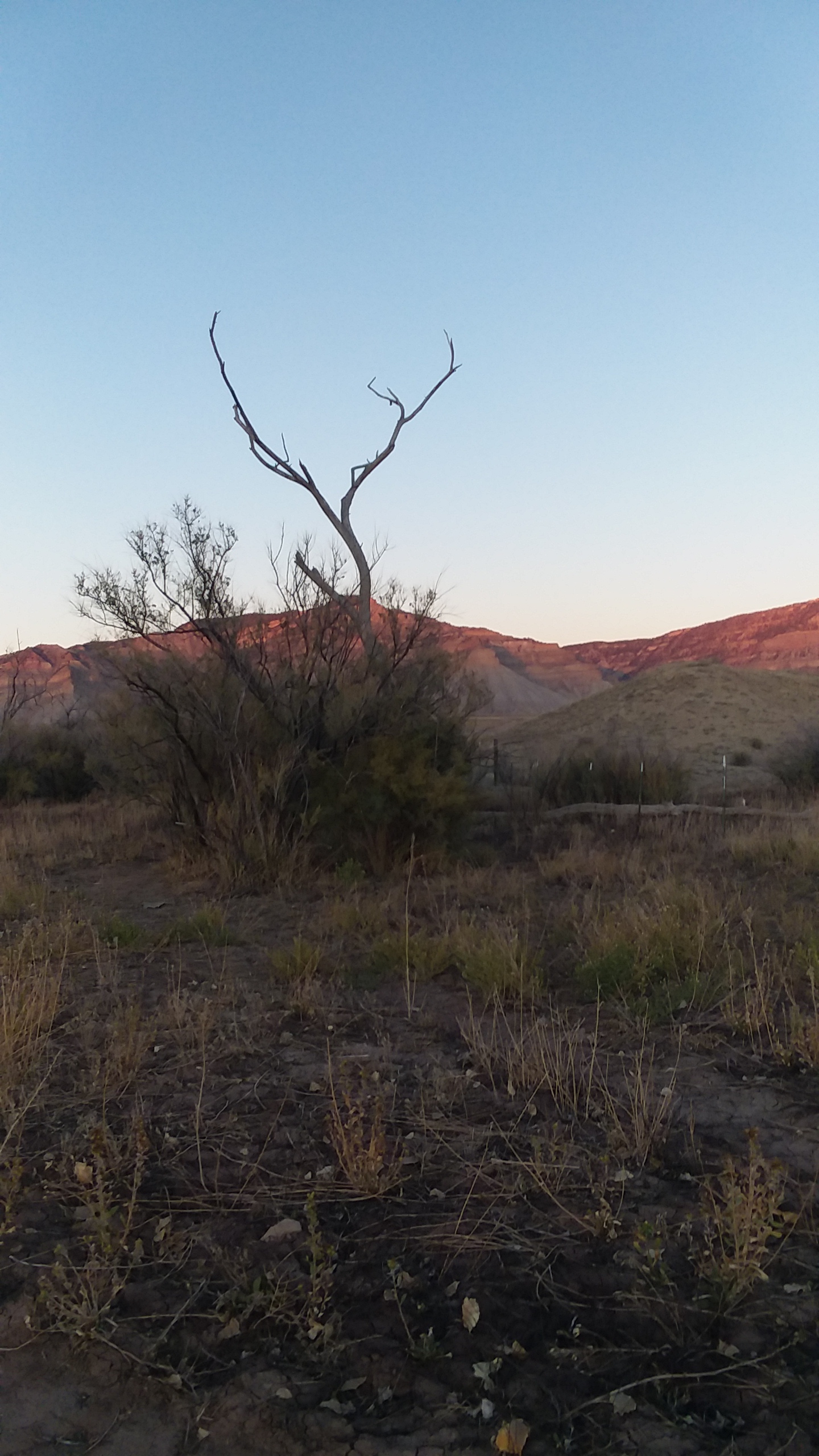
Sunsets grab me by the heartstrings, every single time. I crave watching the landscape as it changes colors. The cliffs and plateaus go from red to purple to velvet blue. The sky changes from pink to lavender in the east. Magenta to fluorescent orange and then copper and red in the west. No two are ever the same…
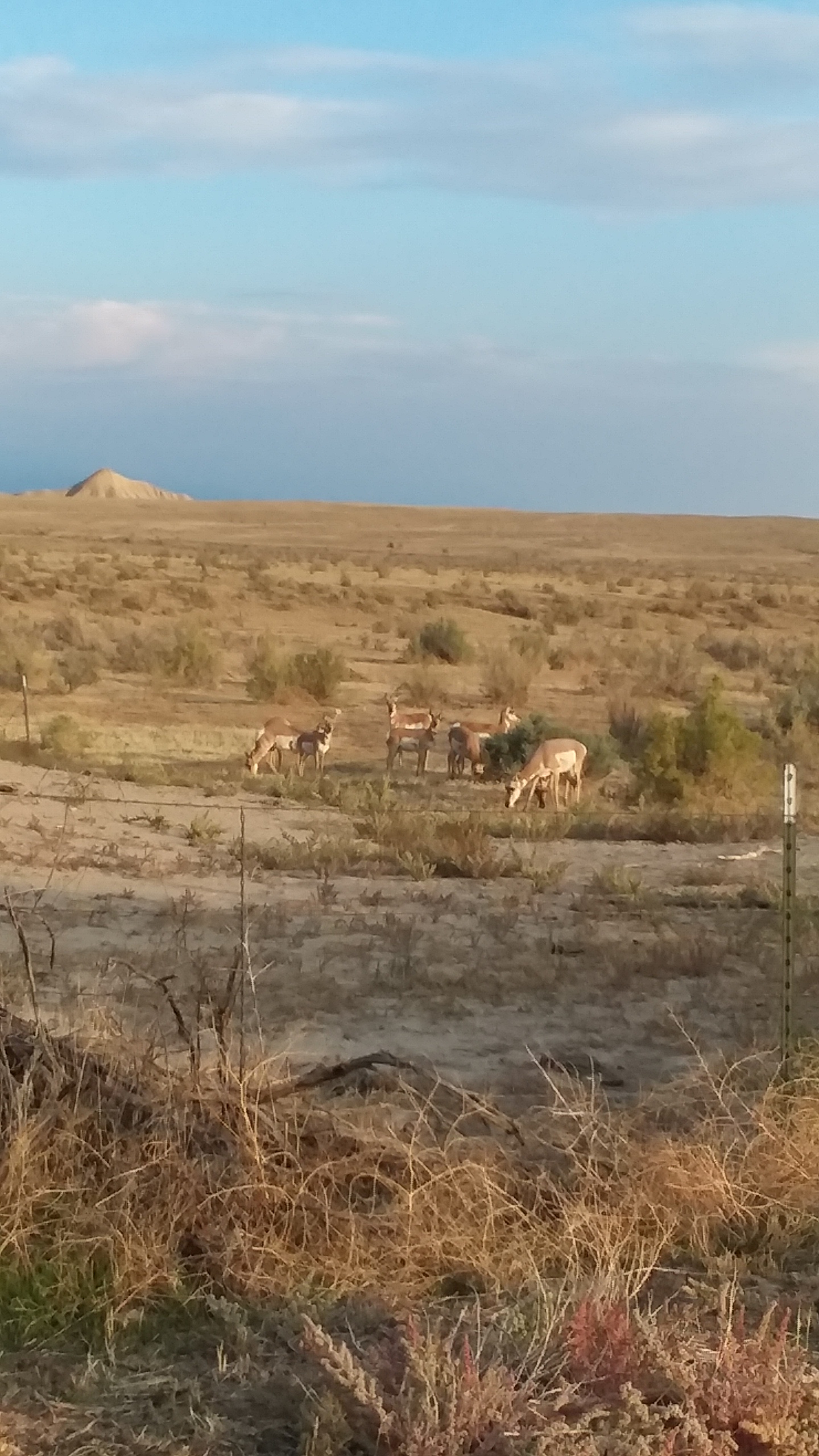
The antelope come out to graze, leery of the predators who are coming out now too. The full moon rises over the mountains, big and bright. A coyote howls in the distance. A hoot owl soars overhead looking for dinner. I take a deep breath. I take it all in. I don’t want to go but it’s time to head home. I leave the dirt road and turn onto the pavement towards the last light and oncoming traffic. The moon is behind me. Just another memory. It’s someone else’s moment now….







 Nomadic Farmer