Yellowstone

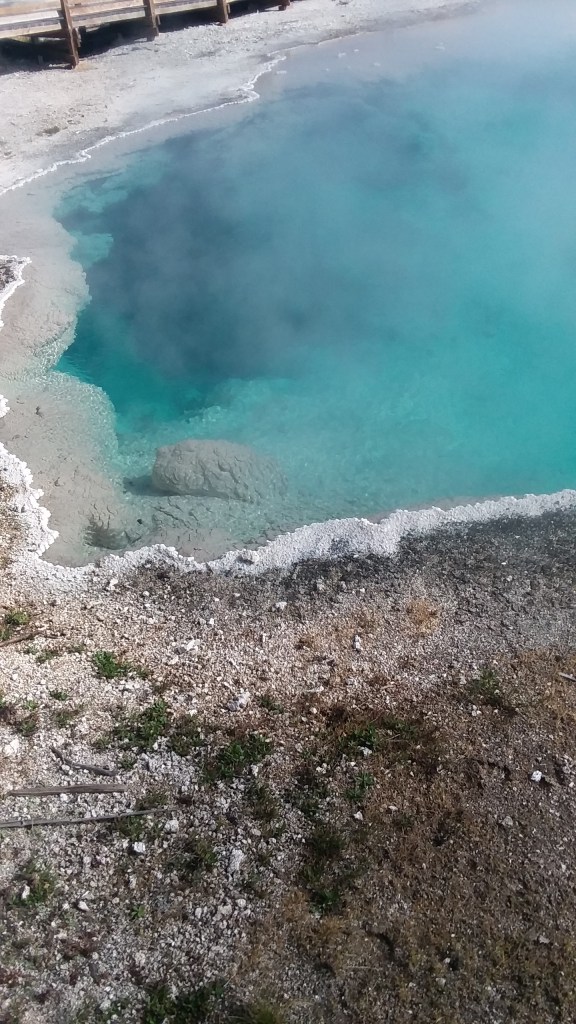
Noris Geyser Basin

I went to Yellowstone once when I was 12. It was the last family vacation before my parents divorced. I didn’t remember much about it but I’ve always wanted to go again. My son was 11 when I took him. We spent a total of 6 days on the road and in the park. We camped in a tent in a few different locations. The first night, we camped at Buffalo campground in Idaho, just outside of the west entrance to the park. We got there late. It was about 10 pm. We set up the tent in the dark and went to bed. Just before we fell asleep, we heard Moose all around us looking for their mates. A hoot owl was circling overhead, hooting and looking for dinner. As the sun came up, the hoot owl came back to say goodnight and go to bed. The moose were still very close and active. We packed up and headed for the park.

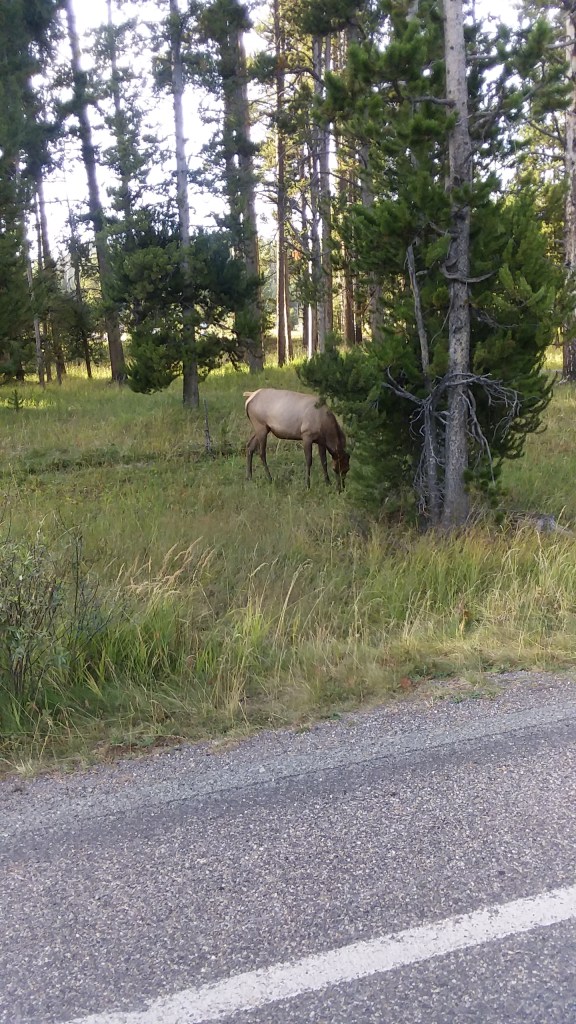
We went north to Mammoth Hot Springs. It was packed and way too touristy for my liking. We did some off-roading outside of the park in Gardiner, Montana to try out my new tires. We went back into the park and made camp at Bridge Bay campground. Most campgrounds were full. A lot of them were closed. The park was getting ready to shut down for winter. We stayed two nights at Bridge Bay campground, right by Yellowstone Lake. The wolves were howling all night the first night. There was an epic Elk battle the second night. It was mating season.
We moved down to Lewis Lake campground for two more nights. The weather began to move in as soon as we got there. It was going to snow. I could smell it. The first night, it rained hard and it was extremely windy.  The next morning, the snow came. It snowed for a few hours. At one point, it was a blizzard. We went to Grant village to get breakfast and coffee. It drizzled and was cold all day but we didn’t let that stop us. We went to see the Old Faithful geyser as well as the Grand Prismatic Spring. It stopped raining and we went back to camp. Around dinner time, the clouds started to clear and it got cold. We woke in the morning to a quarter inch of ice on the inside of the tent. There was thick frost all over the truck as well. The sun came out. The last day was the best day. We decided to hike to Lone Star geyser. It was five miles round trip in thick woods, in bear country. The weather was perfect. We made it just in time! The geyser went off for five minutes. Boiling water shot up about fifteen feet. It was just a warm up. About ten minutes later, the geyser erupted again. This time, boiling water shot up thirty feet and it lasted almost twenty minutes.

Lone Star Geyser

On the way back down the trail, I saw a side trail. True to form, I had to explore. We wandered into a meadow and found an unnamed geyser or hot spring. There were holes in the ground everywhere and very hot steam was rising from all of them. You could tell the ground was unstable. We made our way back to the main trail and stopped to get a drink and a snack. I looked over my shoulder, up the main trail and saw a large, dark figure coming towards us. At first I thought it was a grizzly bear. I looked harder and realized it was a buffalo coming towards us. We got our packs back on and kept moving. He wasn’t running or trotting towards us, but I still wanted to maintain a safe distance between us. It was a good day. We had dinner on the tailgate and then hit the road to go back home to Western Colorado. We made our way through the Grand Teton National Park just before dark.
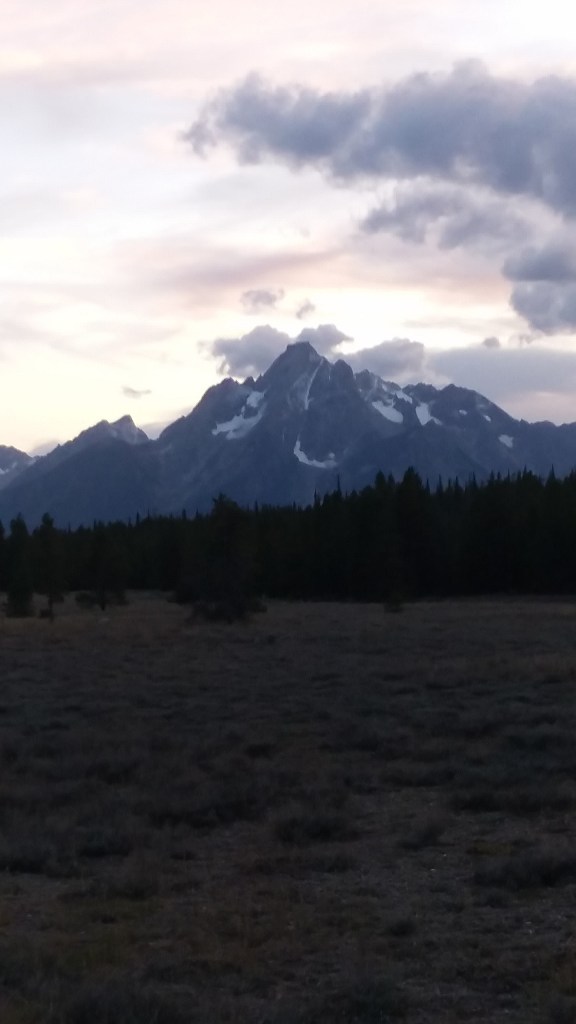
I drove until I couldn’t keep my eyes open anymore. I pulled over at a rest area on the Wind River Indian reservation. My son slept on the back seat. I slept in the front. At about 3 am, I got back on the road. I drove through the early morning under the stars. No highway lights on the reservation that late at night. I love how many stars you can see when you’re far away from civilization. I saw Antelope, White tail deer, coyotes, fox and about a billion other little glowing eyeballs in the brush. When the sun came up, I woke my son and took a nap in the backseat.

We were out of money and tired. We smelled like campfire, sulphur and dirty feet. We drove on through Wyoming and into northern Colorado. Finally, we were home and we were happy.

It has been two years. I miss Yellowstone. The sound of the wind in the pine trees and the distant howl of the wolves still haunts my dreams….

Soil Health: Directly Related to Your Health

No one thinks about soil seriously. I mean, it’s just dirt, right? As one of my former employers once said, “Dirt is what is under your fingernails. Soil is a medium for growing healthy plants”. Many of us think of soil as special dirt we get in a bag at the local garden center, but there is much more to it.

Soil, when healthy, is a vital living ecosystem that sustains all life above and underneath the ground surface. Building and caring for soil is imperative to producing nutrient dense food. With the advent of monoculture, soils have become depleted of important minerals. Without healthy soil, food becomes nutrient deficient. This then becomes a domino effect, directly related to your health. If the soil is unhealthy, the food is deficient, which means you are too!

You may think you are eating healthy because you are eating fruits and vegetables, but if those foods are grown in poor soil with synthetic fertilizer, you are not reaping any benefits. Maximizing production for a global market and increasing profit has been the main drivers for industrial mono-cropping. In order to mass produce thousands of acres of one type of crop, heavy use of pesticides, herbicides and synthetic fertilizers is necessary. Organic farming on that scale is very difficult, if not impossible.

brown pathway between green leaf plants

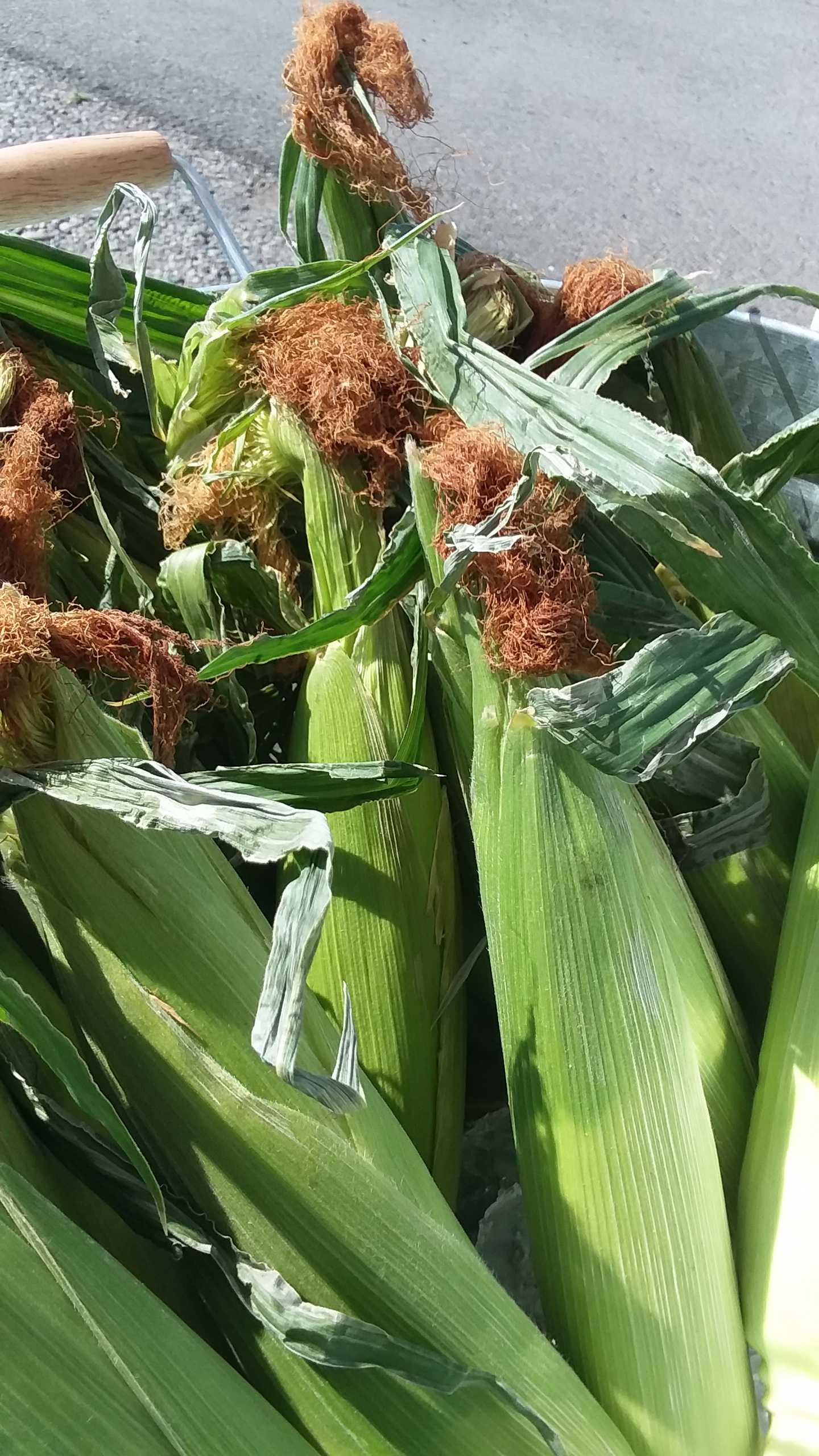
Corn, for example, needs high levels of nitrogen and large amounts of water to grow. Corn is literally in everything you buy! It is in your car’s fuel tank in the form of ethanol. It’s in things like cosmetics, toothpaste, shampoo, crayons and Windex. Don’t believe me? Check this out https://kscorn.com/wp-content/uploads/2017/07/Common-Items-Containing-Corn.pdf

The problem with monoculture is that nothing in nature grows that way. Monoculture practices make the plants and the soil susceptible to diseases and insects. The use of herbicides and pesticides and synthetic fertilizers makes pests and weeds mutate so that stronger chemicals need to be used over time. These chemicals kill the microscopic life in the soil and eventually makes it into the ground water.

brown and black abstract painting

In nature, plants have a symbiotic relationship with each other. Some plants help other plants grow by protecting them from pests or by building the soil. In the home garden, this is called companion planting. I will write more on this topic later.

Soil health is important for many reasons. It has only been recently that private companies, government agencies, and non-profits have begun to recognize the value of soil health and the ecosystems healthy soils entail. Soil improvement can restore surface and ground water quality as well as reduce erosion and desertification. There are many simple ways to improve even the worst soils.

brown wooden house near green trees and river during daytime

Adding mulches and composts are the most common. Planting cover crops such as oats, peas and clover that will die off in winter is very useful. They will provide nutrients back into the soil in the spring. Animal manure, such as sheep, goat, chicken and horse, will help immensely. Leaving your plot of land lay fallow for a season or two is also great for letting the microbiomes and organisms recuperate. This is a very large topic and even a science unto itself. Building healthy soil is a practice that takes time, but it is worth the effort in the long run.

The Importance of Growing Your Own Food: Where to start?

See the source image

I cannot reiterate enough how important it is to start growing your own food, right now. All one has to do is look at the condition of the world on every level, and it becomes very clear, if it’s not already, that something, a lot of things, are very wrong. Food prices are going through the roof. Shelves are becoming more and more bare with each passing week. Our Just-In-Time system is collapsing due to worker shortages, resource shortages, tariffs and strikes. All of this can be unnerving and even scary if you’re not prepared and don’t know what to do. My intention in writing this is not to scare you, but to help you be more prepared to endure whatever may come.

The prudent see danger and take refuge, but the simple keep going and pay the penalty.

Proverbs 22:3

If you have never gardened before and you don’t have a “green thumb”, do not let that discourage you. It’s ok to start small, as long as you start. You do not need a huge backyard or a farm to grow your own food. Modern technology has provided a myriad of ways to produce your own food right in your kitchen. I was in Walmart the other day and I saw mini hydroponic grow kits for sale for $50-$80. https://www.walmart.com/search?q=aerogarden&typeahead=Aero

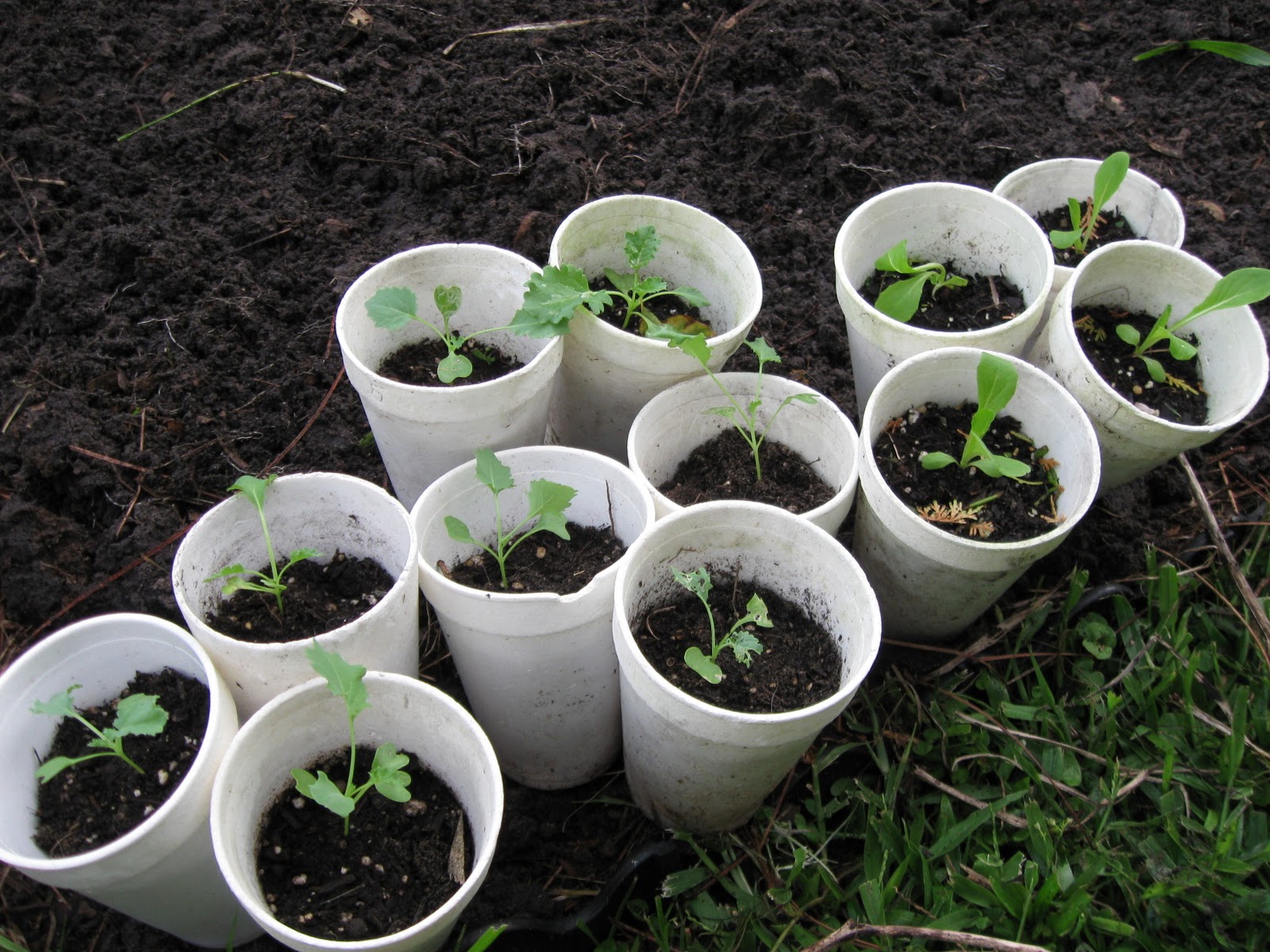
If you have a patio or even a good south facing window, you can grow many different varieties of food plants. There are dwarf varieties that only require a 6 inch pot and sunlight. I grew dwarf cherry tomato plants and dwarf pea plants this year and they were very prolific!

You can grow things like lettuce, beets, onions, carrots, peppers, strawberries and herbs in pots on your patio.

Image result for growing food in pots

You can grow potatoes in large Tupperware totes! Seeds are cheap and most seed companies send out free seed catalogs. All you have to do is sign up for their mailing list! One of my favorites is http://rareseeds.com

Sadly, people have misconceived notions about gardening. The days of digging and pulling weeds and breaking your back are gone. Modern technology has made it easier than ever to provide yourself with basic sustenance regardless of how much space you have. Even if you just grow a salad garden, or a salsa garden, or an herb garden, you are doing yourself a favor by learning a valuable skill and saving yourself money on food in the long run. Just remember, it doesn’t matter where you start, just start!

See the source image

The Importance of Growing Your Own Food: Victory Gardens

See the source image

During WWI as well as WWII, victory gardens were an important part of the war effort, not only in America, but in Europe and Australia as well. They were a way to support the troops and be self sufficient. People didn’t have a lot of money and there was a food crisis, a lot like what is happening all over the world today.

Victory gardens boosted morale and brought communities together. People got together to trade seeds and preserve what they harvested. The most commonly grown crops were high carb and nutrient dense. Crops that would store well in root cellars or were easy to can were very important. These were crops such as beans, beets, cabbage, carrots, kale, kohlrabi, lettuce, peas, tomatoes, turnips, squash, and Swiss chard. Many of these crops were easy to store or preserve, which helped people be able to better plan to have food in the winter.

See the source image

The Just-In-Time system of the grocery store chains we have today were not a thing back then. Food was fresh and local. It was not shipped in from all over the world in shipping containers. It was not sprayed with chemicals to inhibit the growth of mold on the long journey. I know what you’re thinking… That’s just gross! And it is gross. According to an article by Business Insider, there are 500,000 shipping containers stuck out at sea.

https://www.businessinsider.com/shipping-containers-stuck-california-ports-combat-shortages-2021-9

Victory gardens weren’t just vegetables. People planted fruit trees and raised chickens, goats and rabbits for eggs, milk and meat as well.

As we have seen with the recent shortages of everything and the shipping backlogs, reliance on the current system is no longer a viable solution. Food prices are skyrocketing and there is an air of uncertainty about how bad it will get before it gets better. Perhaps it is time to take a lesson from the past and get back to the old ways. It’s time to take our lives into our own hands and start growing our own food.

Grace

It was late summer. School had only been back in session for two weeks. The sky was blue and the sun was shining. She had the world at her fingertips. She was beautiful and smart and funny. She could sing better than most. She was wild and rebellious. A kind of reckless abandon. She cared deeply about her friends but she was in pain. She had been operating in survival mode her whole life. Childhood trauma had stolen her innocence.

She tried to hide her depression and anxiety. She did a good job of keeping it from her friends. Her immediate family knew a little. They didn’t realize just how bad it was. She was like a volcano. The magma was rising to the top and could no longer be contained. All of her longing and desperation had finally overcome her ability to contain her emotions. Sadness, anger, fear, rage, shame and humiliation all came to the surface with a torrent. She had thought about it before. Planned it and played it over and over in her head. She had even attempted it a few times but was either stopped or changed her mind, until the day she succeeded.

It was August 23rd, 2021. My 13 year old niece took her own life. She was my sister’s youngest daughter. She was a sister. She was a cousin. She was a granddaughter. She was a best friend. She’s gone now. An awful stillness is left behind. A deafening silence where her sound used to be. Nothing will ever be the same for those she left behind. The ripple effect of this tragedy is far reaching. The future yet unknown but I believe she is singing with a choir of angels now. She is no longer in emotional torment. Finally free.

Fly high baby girl…. You are missed greatly.
A Hint of Autumn

There’s a coolness in the air. Just the tiniest bit of crispness can be detected in the oppressive heat. It will be August tomorrow. Cumulus clouds are building on the horizon. The sky is just a little paler than yesterday. The air smells different. The vibrant green of the trees is slightly less, but the wind is still blowing out of the west.

Harvest season is approaching and everything knows it. The wasps are more aggressive and people are getting ready to start canning. There’s a distant rumble of thunder. Dragonflies, big and bright, swarm over head. They are the universal symbol of change… Signs, perhaps, that a storm is coming.

The monsoon rains are due. The weatherman says they’re coming soon. The Canadian geese are already here…. Anxiety sets in. Will the weather turn before it’s time? Will the harvest be lost to a freeze?

We had a long cold Spring. If the weather holds, we should be harvesting well into October. It’s hard to say what to expect. Nothing has been normal lately. Not one thing. It’s been a rough couple of years. In 2020, we had a hard freeze in late Spring for three days in a row.

None of the orchards or vineyards made it. Then in October, while the leaves were still green, we had a heavy, wet snow. Blocks of fruit trees were destroyed because they weren’t dormant yet. This Spring, we had another late freeze which took out a lot of the cherry crop. The life of a farmer is difficult. We live and die by the weather, yet our passion drives us on.

Roadside Ponderings

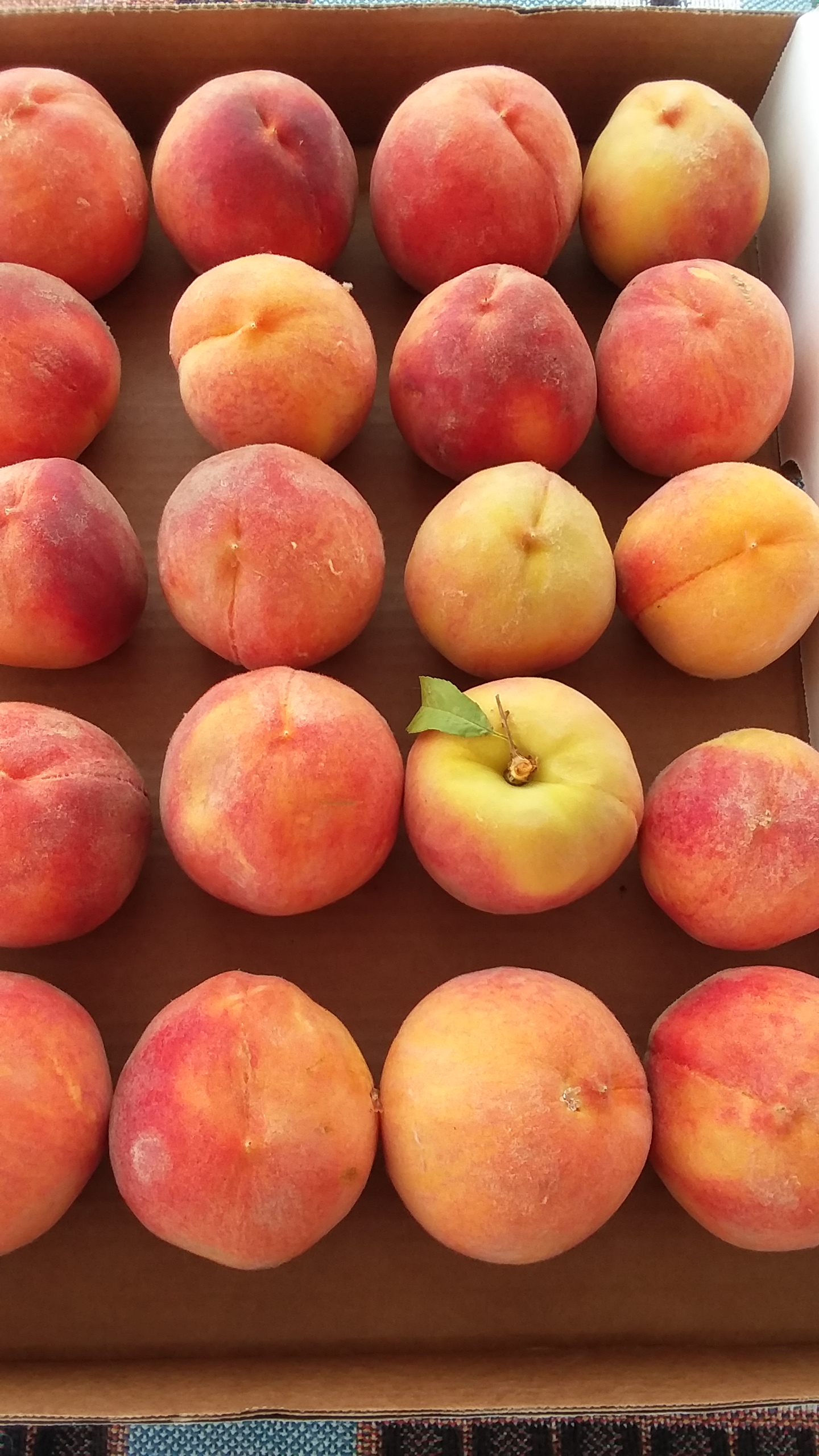
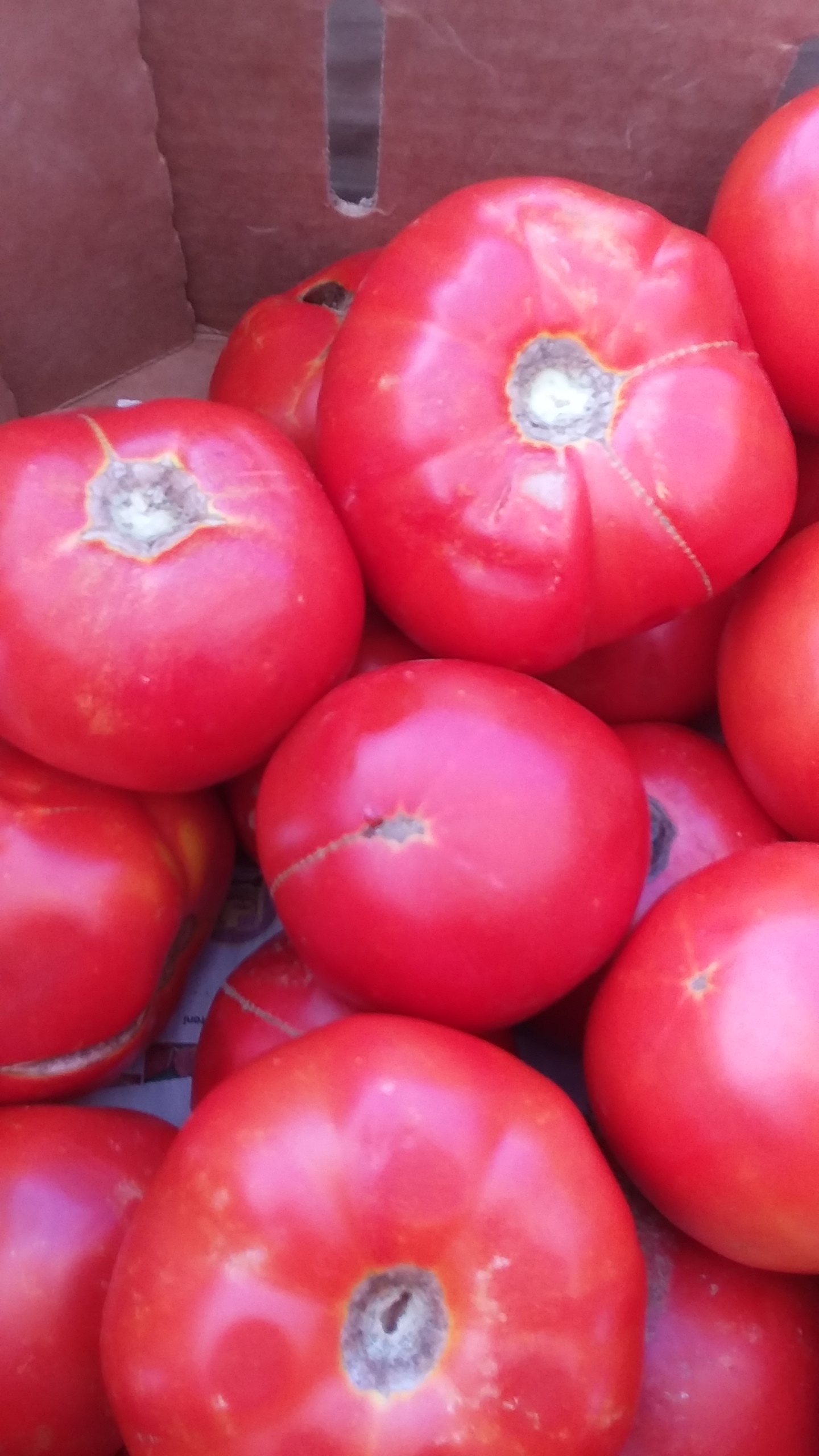
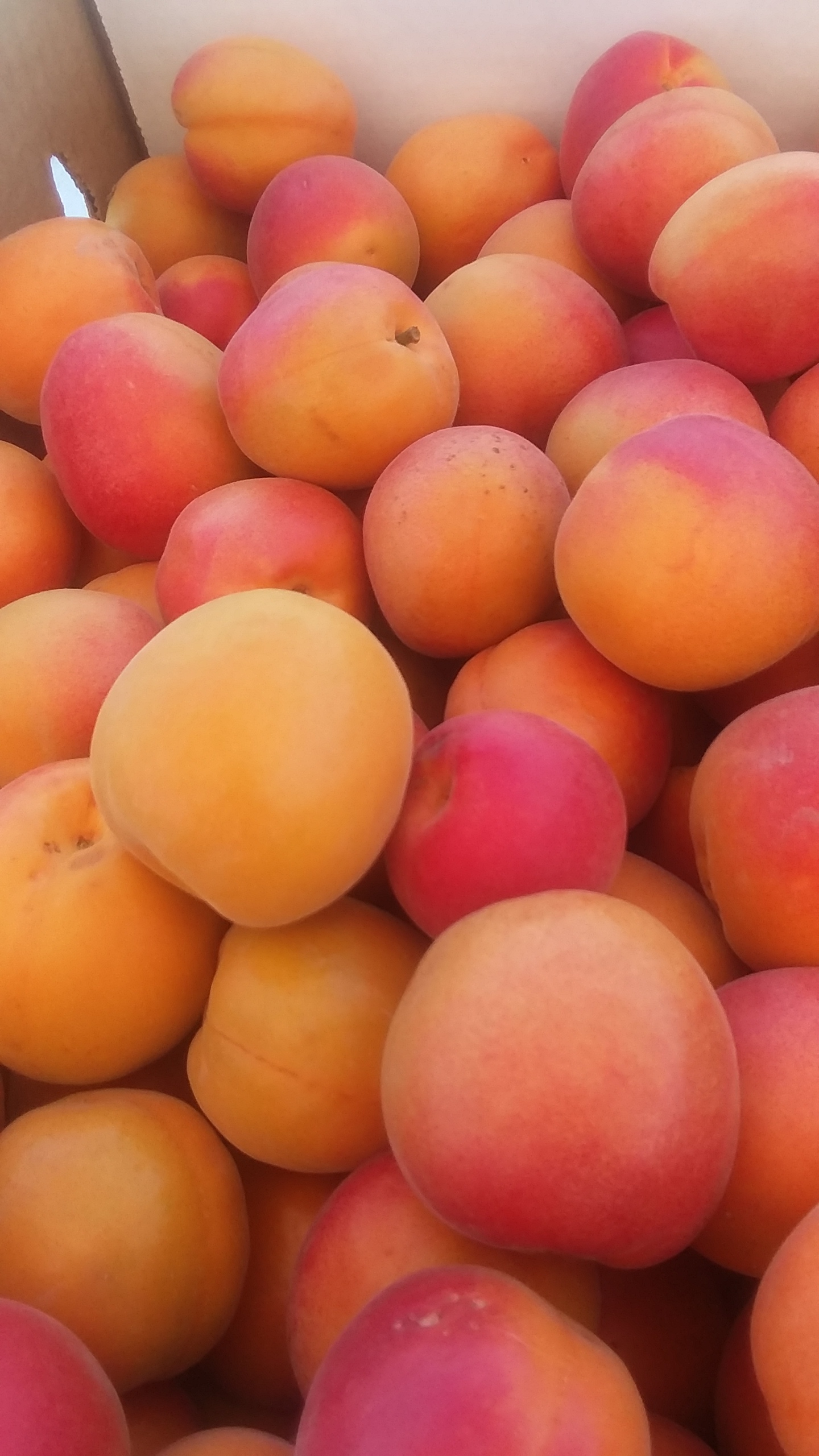
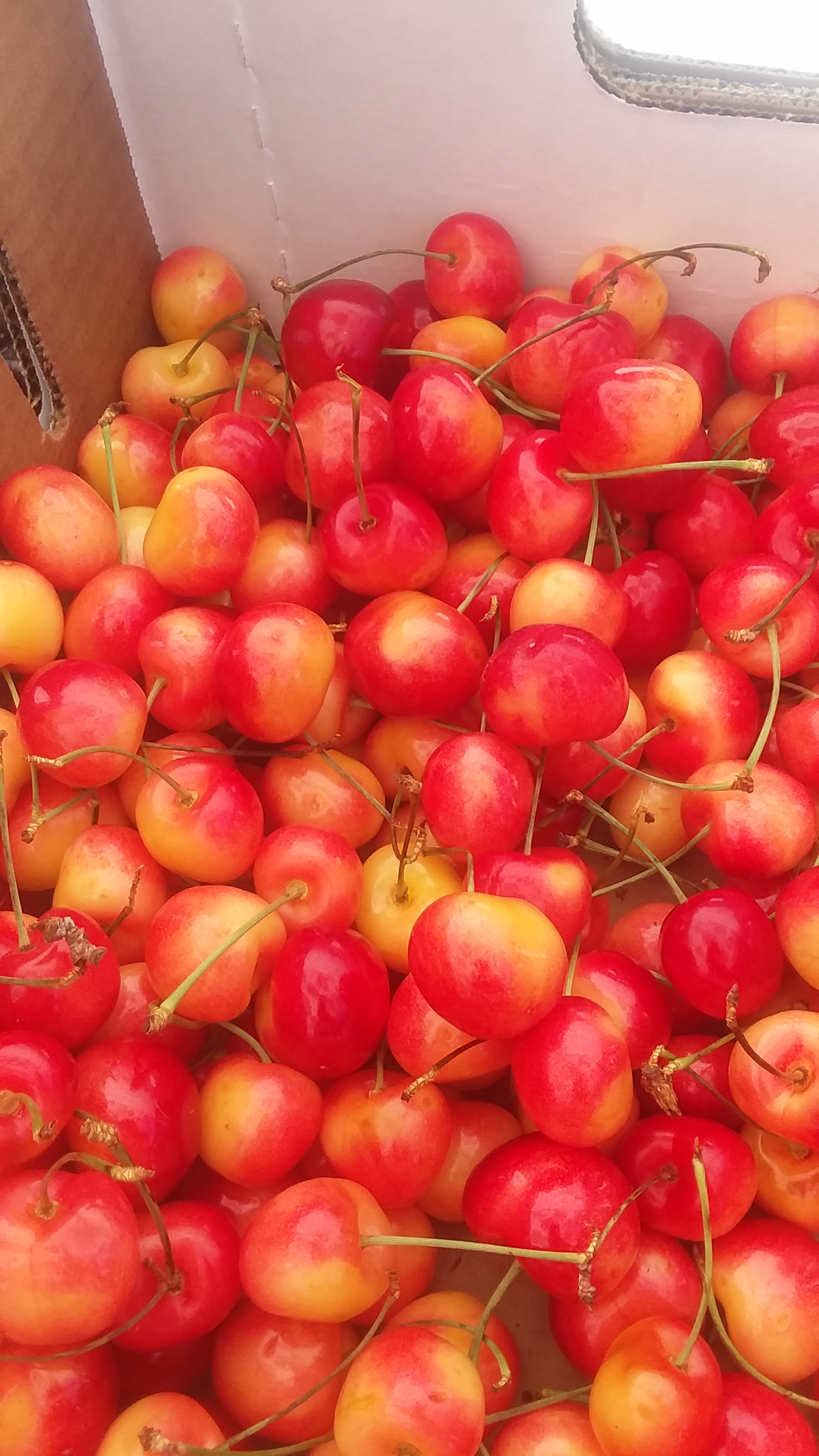
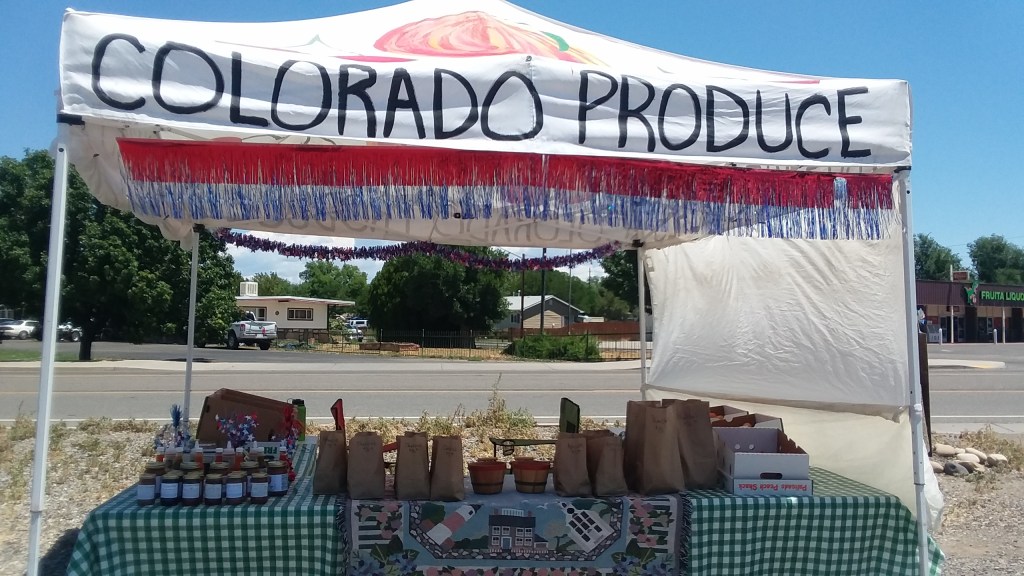
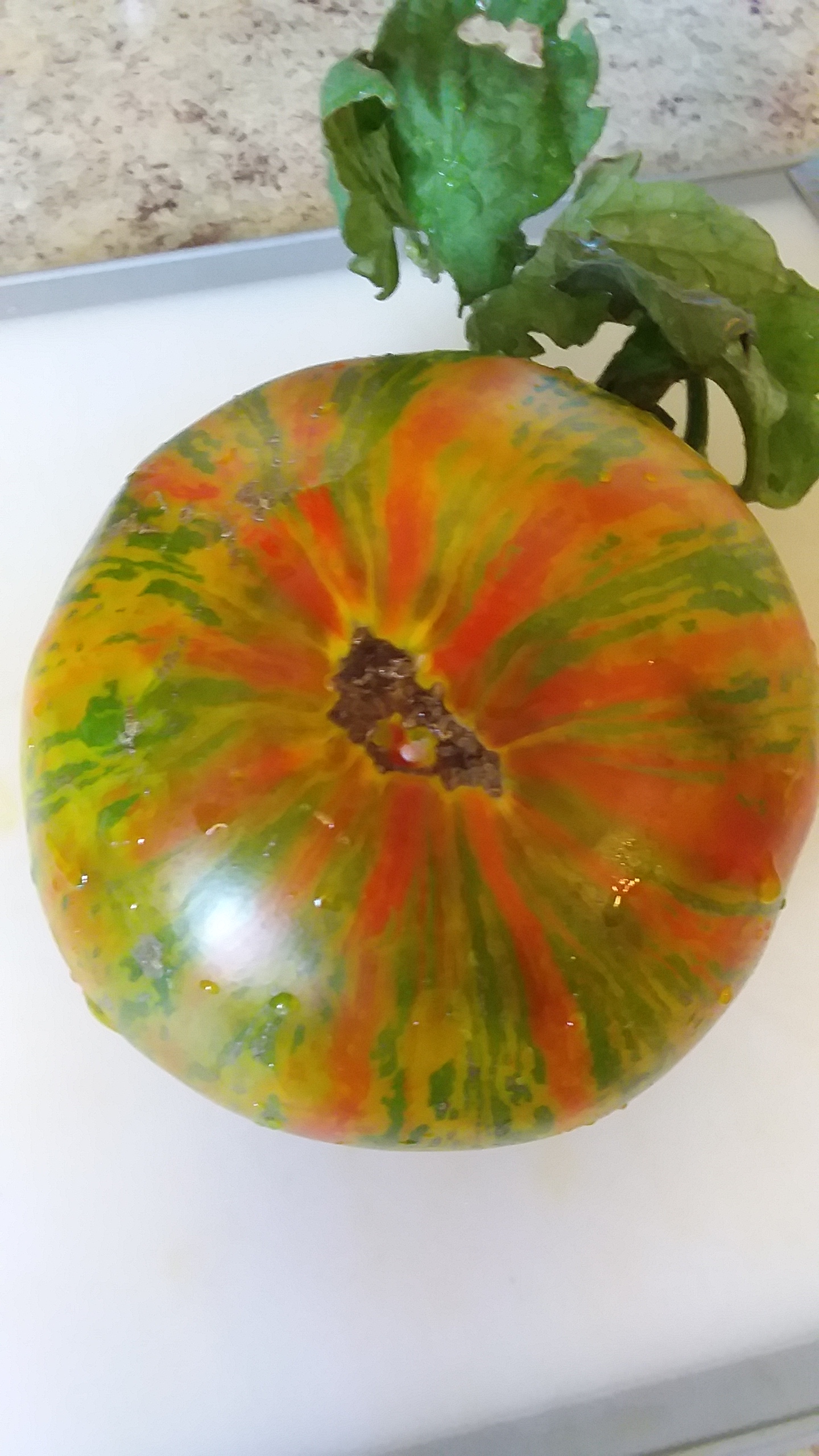
I have had many conversations on the side of the road, over peaches and tomatoes. I chat with strangers about the weather and politics. Over cherries and apricots, we’ve discussed faith, fear and loss. I feel like a bartender or a hair stylist. Passersby come to hear news or confide. These sources of information are more reliable than that of network news.

I’ve heard tales of courage and adventure. I’ve hugged strangers mourning the loss of a loved one. I’ve encouraged single moms to stay strong. I’ve made children smile by letting them pick their own fruit.

The old timers like to reminisce on the days when they would grow tomatoes and such. They give advice, then always comment on how the prices have gone up and how the times are changing.

I’ve endured every type of weather imaginable. Sometimes all in one day. I’ve learned to keep extra clothes in the truck, just in case. I’ve lost a tent to 70 mph wind. I’ve watched helplessly as the wind flipped a table over and the fruit and the scale went flying. I’ve frantically tried to protect boxes from torrential downpours that come out of nowhere and I’ve hid in my truck in many a lightning storm.

I’ve raised my son on the side of the road. He’s quite the salesman now. Many people have asked me why I do this work. Many have tried to talk me out of it. This is my 5th year roadside. I thoroughly enjoy it! It’s not about the money. I love being outside and talking to people. I believe in what I’m doing. People need to be reconnected to their food.

I’m part of a growing movement that is helping people to understand that what they eat is intrinsically connected to their health. The pandemic of 2020 helped this movement gain traction in a way. It showed people how reliant they are on an unreliable system. When the just-in-time system broke down and the stores were empty, people began to wake up to the fact that we need to get back to our roots and the old ways.

No Water

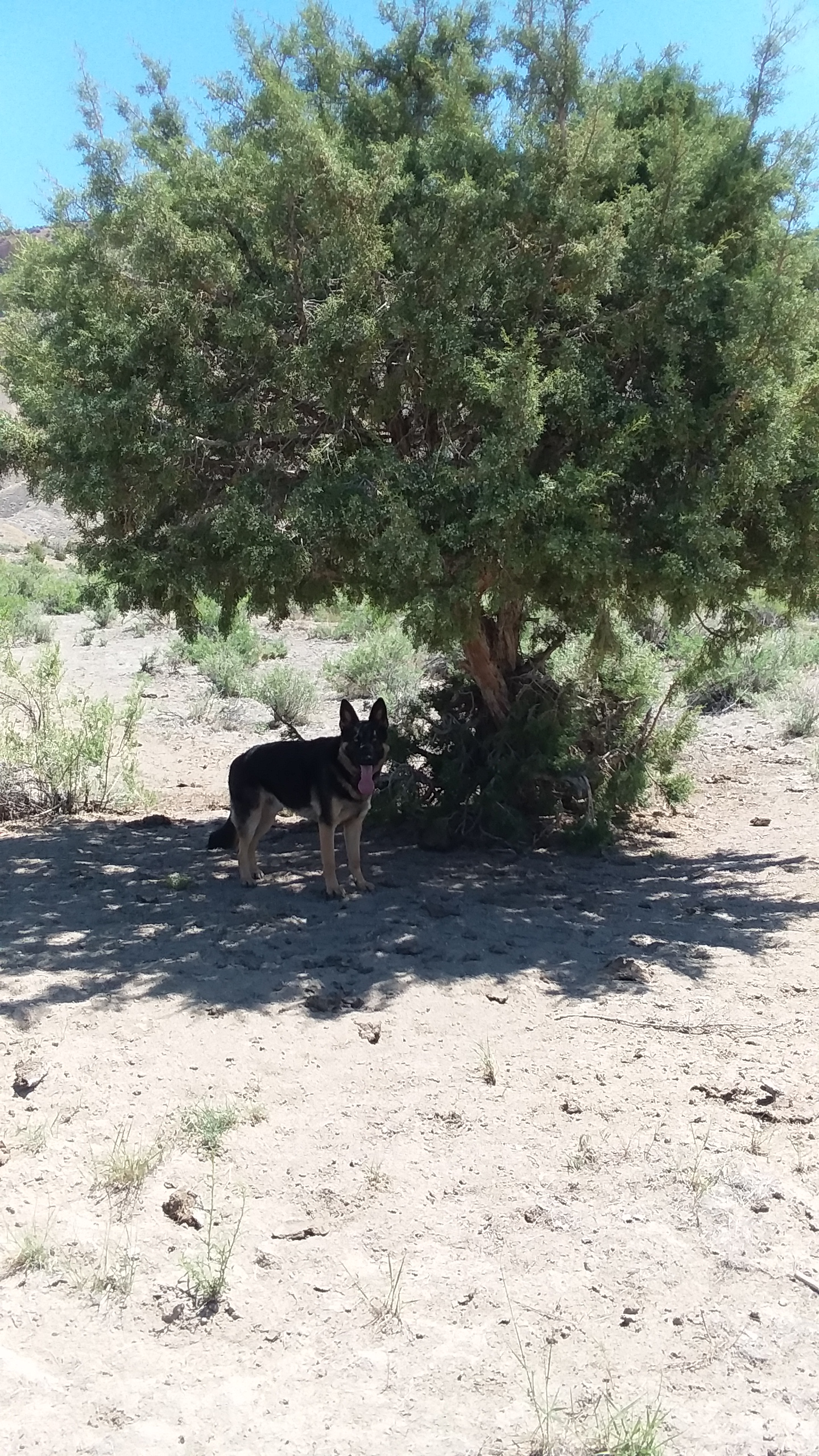
The whole world is on fire. The sun rises through smoke filled clouds. The mountains have no details today. Just distant silhouettes. My dog and I do a speed hike in the early morning hours. The heat keeps breaking records. It’s June and we have seen 100+ degree days for nearly two weeks in a row. This is not normal here.

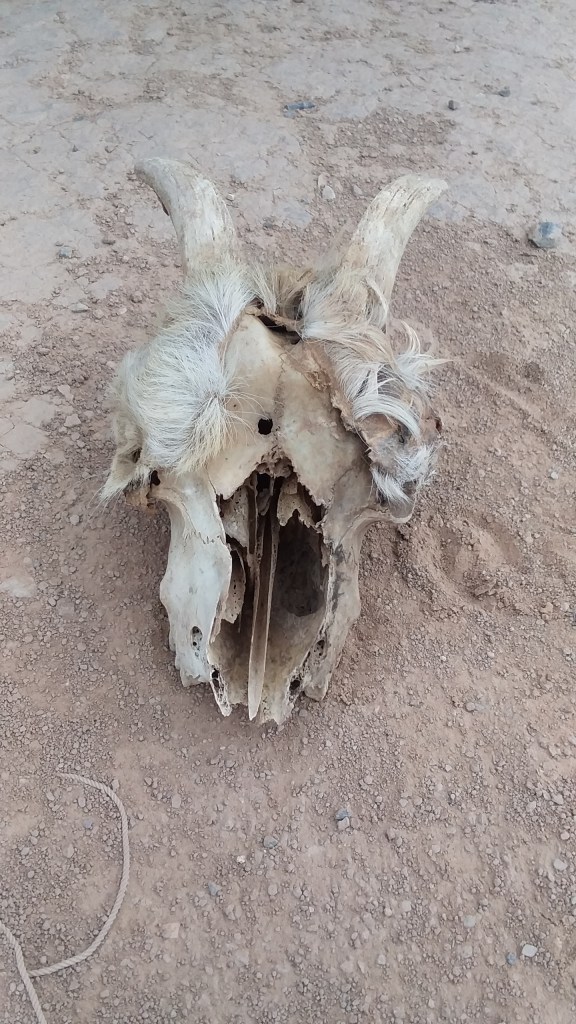
There’s no water. Wells and watering holes are drying up. So are the rivers and reservoirs. Old bones are scattered through the arroyo.

Did they die of thirst? What greenery there was has been burned up by the blazing, white hot sun and blown away by the relentless wind.

The sun use to be my friend. As a child, I would look up at the yellow orb and smile at it’s gentle, comforting warmth. Now it seems as if the sun is angry. It’s rays are painful to the skin and deadly to plants. I hide from it now.

By noon, it’s unbearable. I’ve had to put shade cloth over my entire garden. Even the plants that thrive in full sun are being burned alive. Their leaves turning purple and red and then brown and crunchy. I’ve noticed it on trees as well. The UV index has been at 12 lately. I’ve never seen it that high. What is it doing to our skin? The faded paint on my old truck tells me.

Rough Country

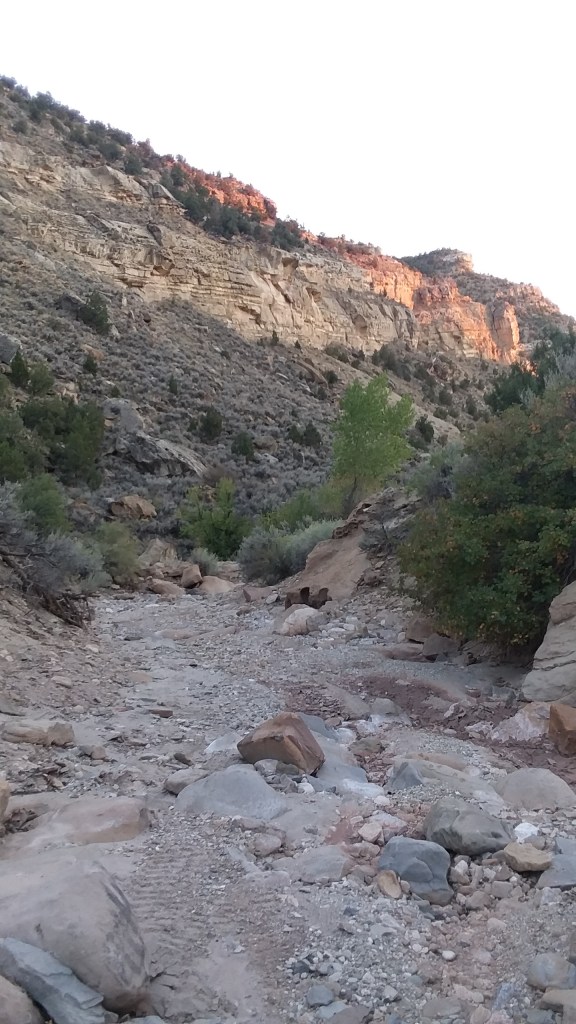
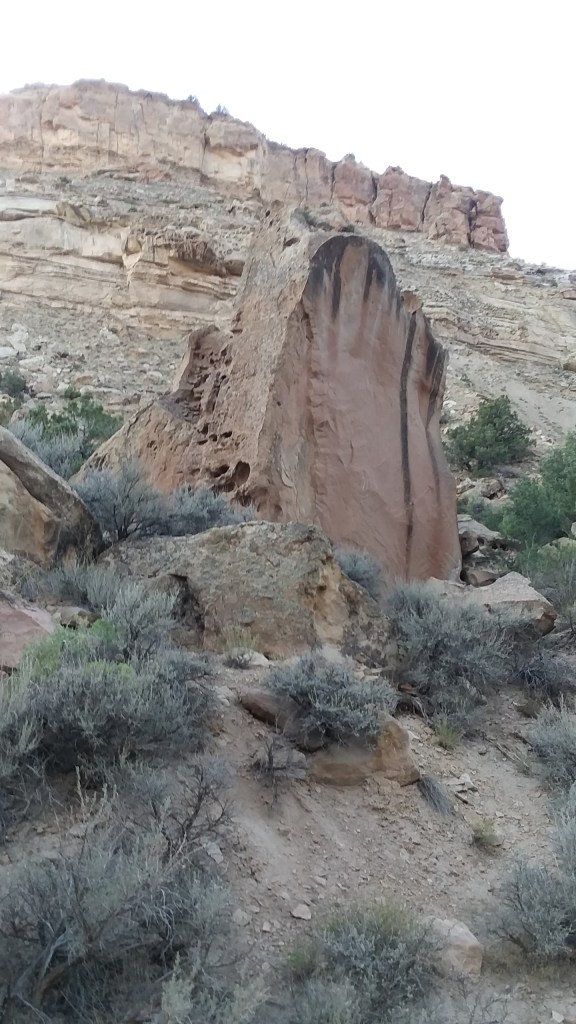
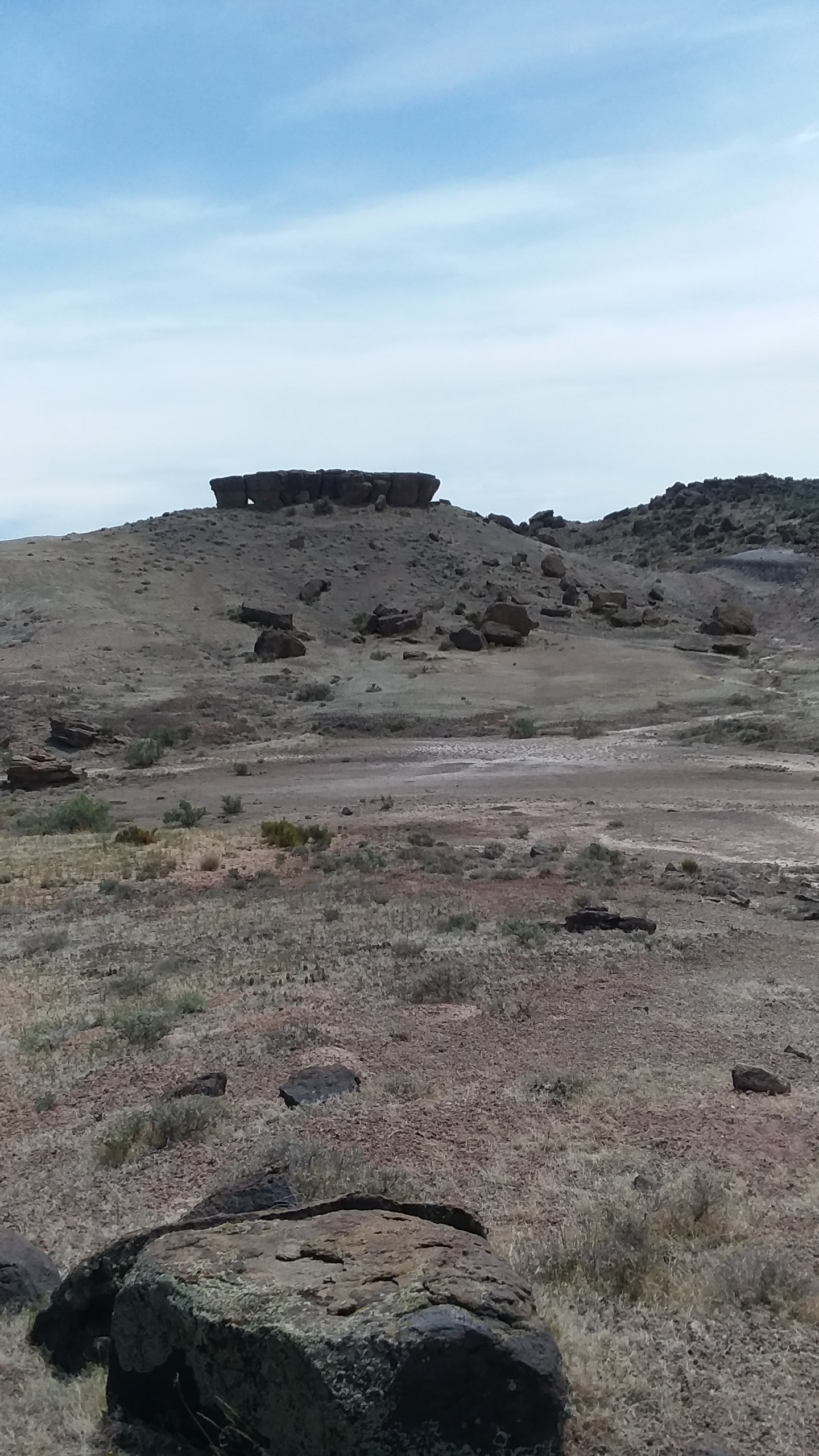
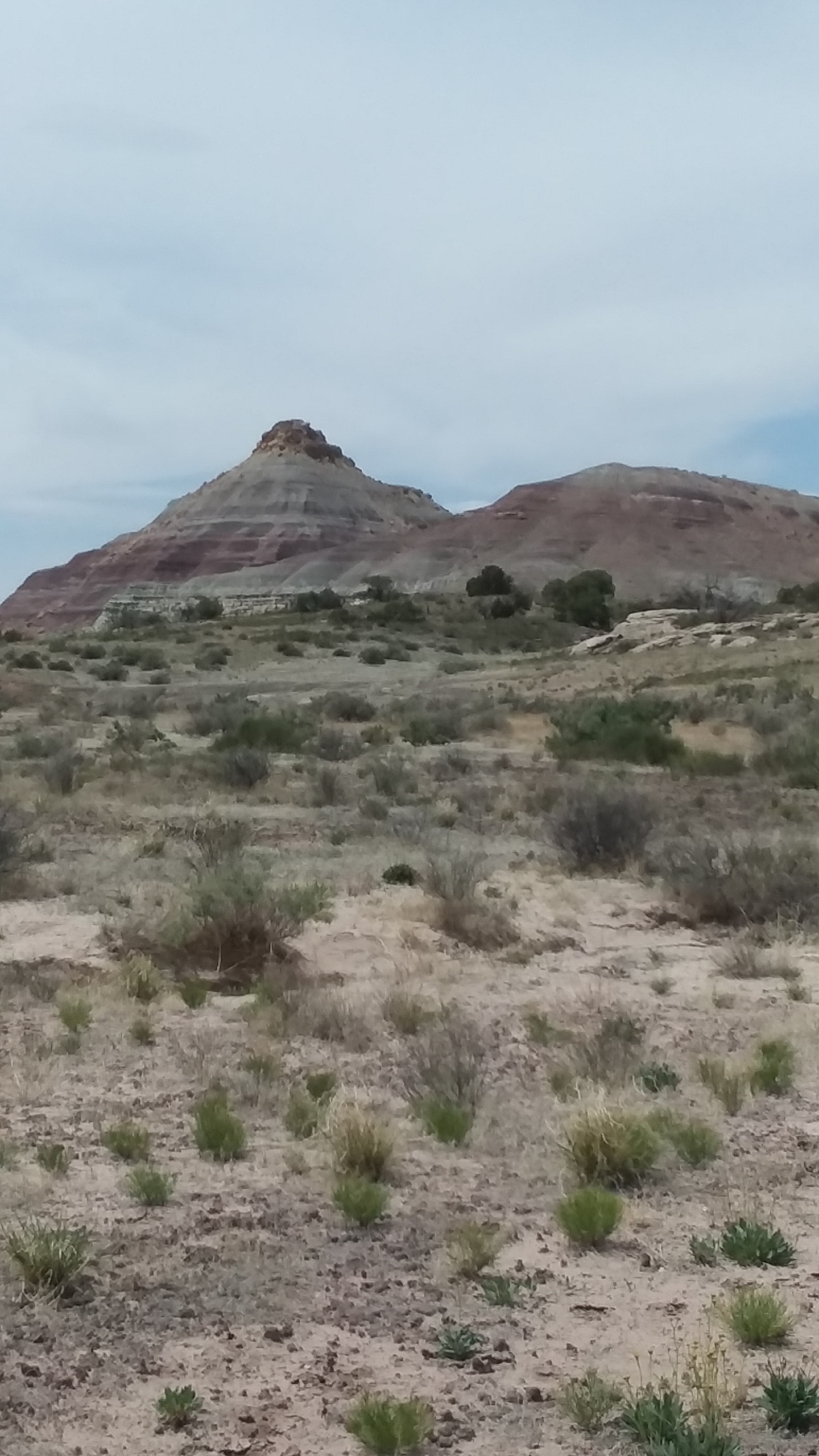
Cumulus clouds wander across the sky, offering the hope of rain but never making good on their promise. It never rains here anymore… I turn off of the pavement and onto the dirt road towards the Bookcliffs. Past the dunes and the dry watering hole. I go as far into the canyon as the truck will take me. Sandstone walls tower high above. The terrain gets rough and the road narrows. Thankful for four-wheel drive but not willing to get stuck, I decide to start hiking.

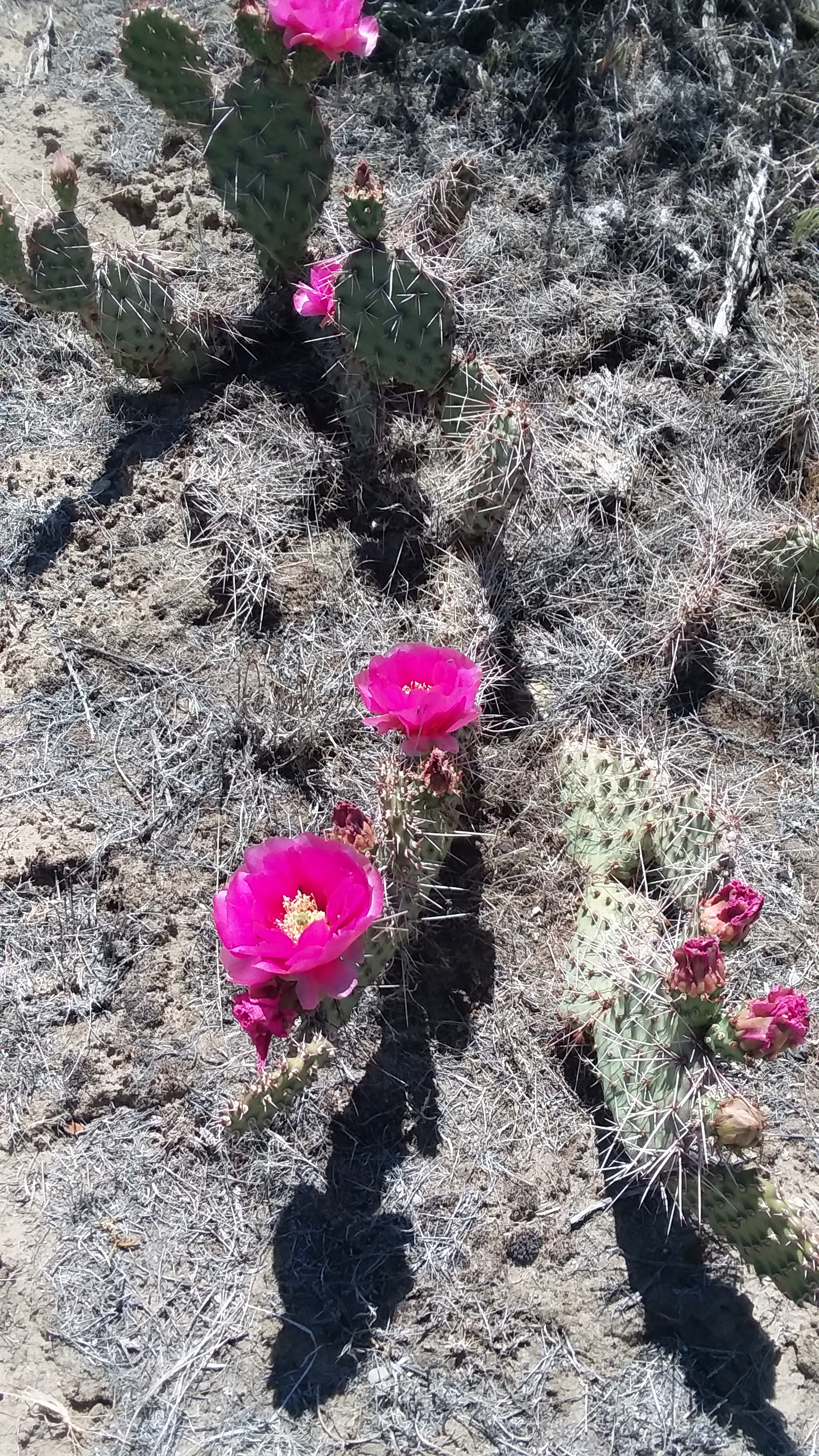
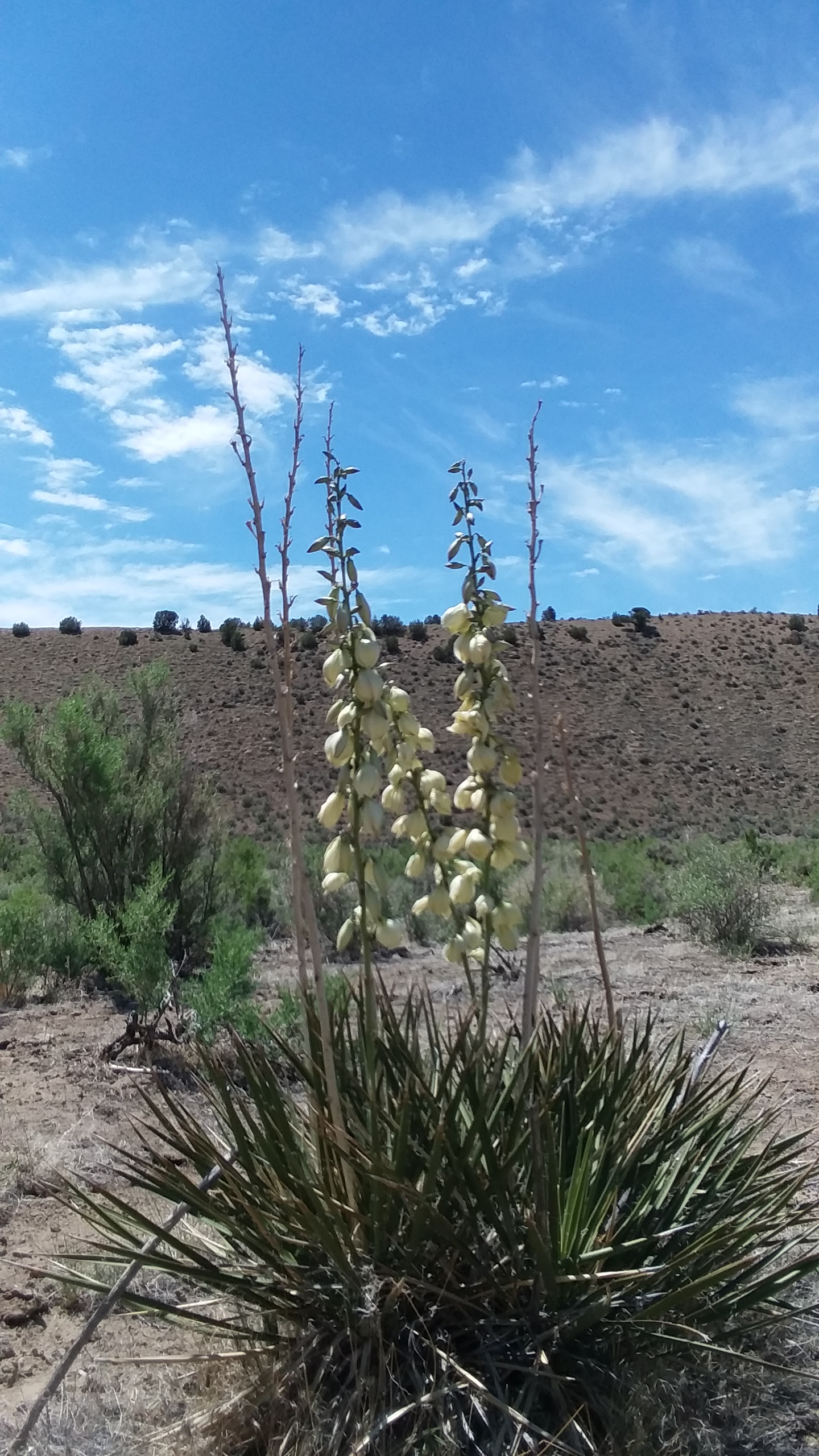
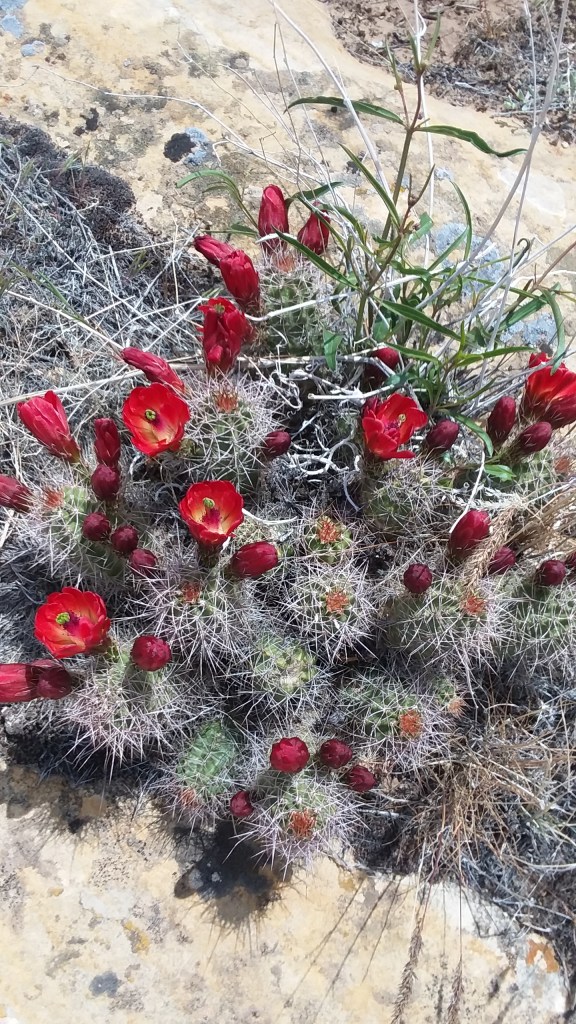
My dog is ready to get out of the truck. He knows there are rabbits and lizards out there. He’s ready to run. The cactus is in full bloom. Spatters of hot pink and yellow crisscross the desert landscape. The Yucca is almost in full bloom as well. The beauty of this desolate land never ceases to amaze me…

Scavengers circle above and birds of prey scream through the sky. They watch us from high perches with keen eyes. Perhaps they are wondering if we will make it back to the truck. It’s hot today. Abnormally hot for May. The cows have been taken to the high country. No signs of the antelope anywhere. No signs of any four legged creatures. Not even a coyote… The river is not rising this year. Not enough snowmelt. We are in an exceptional drought and it doesn’t look like it’s going to end anytime soon.

We duck into an alcove to get some shade and some water. My dog smiles at me. He’s happy to be on an adventure. The smells of hot sandstone and sagebrush and juniper delight my senses. I could stay here forever and the vultures are hoping I do. There is a wash down below. Water lines tell the stories of runoff and flash floods from days gone by.

Up above us, an abandoned coal mine. The hill is littered with old steel and sun-rotted timbers. Above the mine, high on the ridge, there are signs of wildfire sparked by lightning. Burned out skeletons of junipers and pinyon pine.

This has always been rough country. Only the strong survive here. It’s time to head back and get some lunch. We’ve been out here since sunrise and my stomach is telling me I’m hungry…

Wild Flower Hunting

The western United States is in a severe drought. This is the worst it’s been in a very long time. The mighty Colorado river is drying up. Lake Meade’s hydro-electric dam won’t be able to produce power if the reservoir gets much lower and house boats are no longer allowed on Lake Powel. These are scary times…

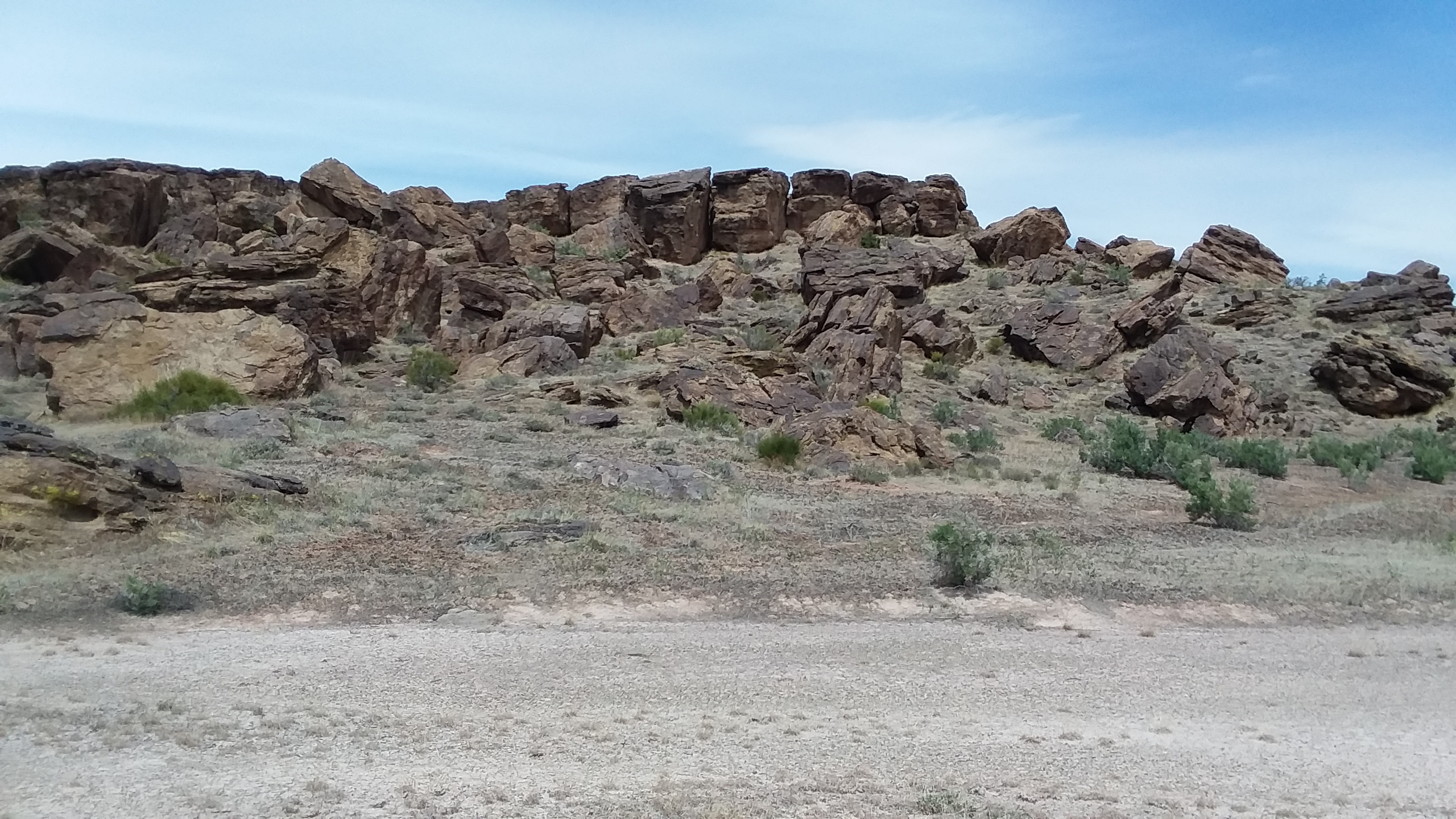
A few years ago, I stumbled upon a desert oasis on the Colorado/Utah border. The surroundings looked a lot like what I imagine the terrain of Mars to look like. There was water, in the middle of nowhere and I couldn’t figure out how it got there. My best guess was that it was a natural spring.

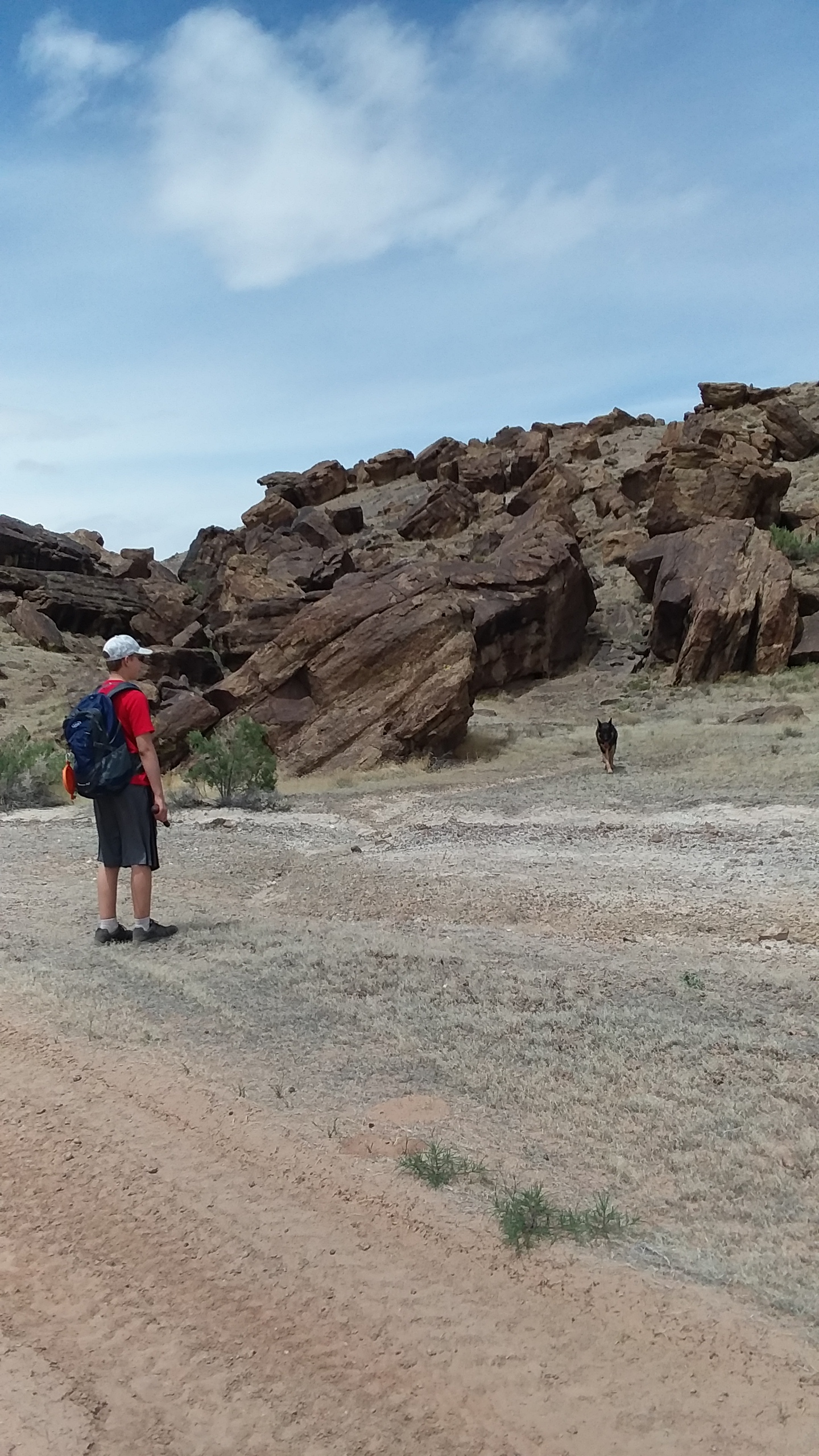
I went back there this mother’s day weekend. My son, me and my dog did some off-roading and a day hike to try to find this spot again. We found a wasteland and quicksand instead. The water had dried up and most of the wildflowers were gone.

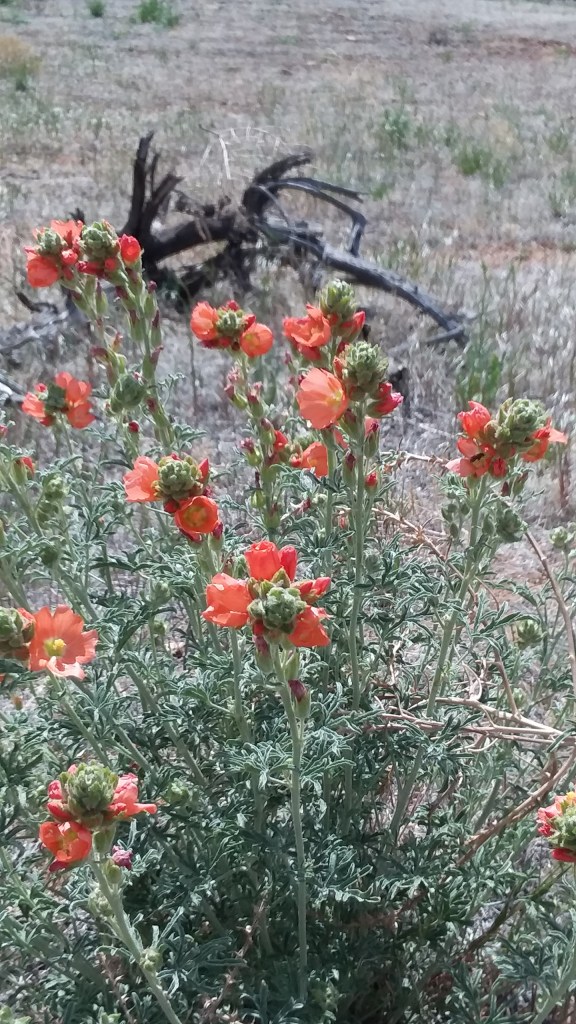
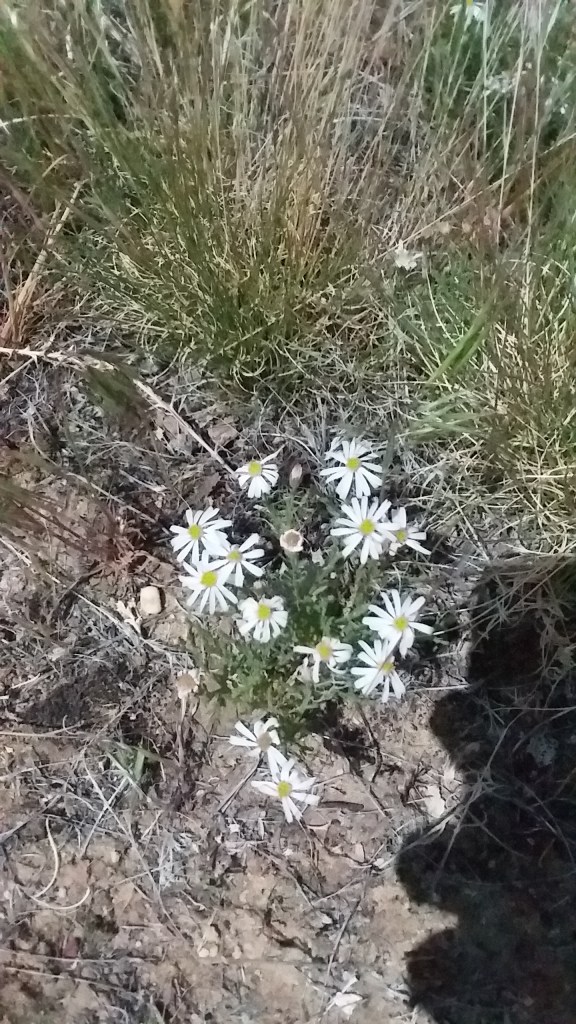
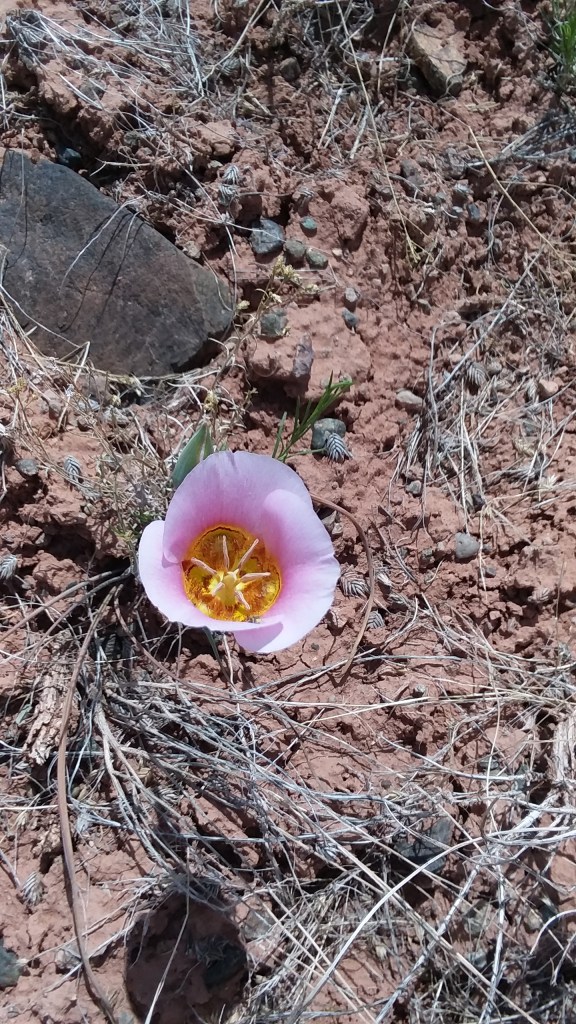
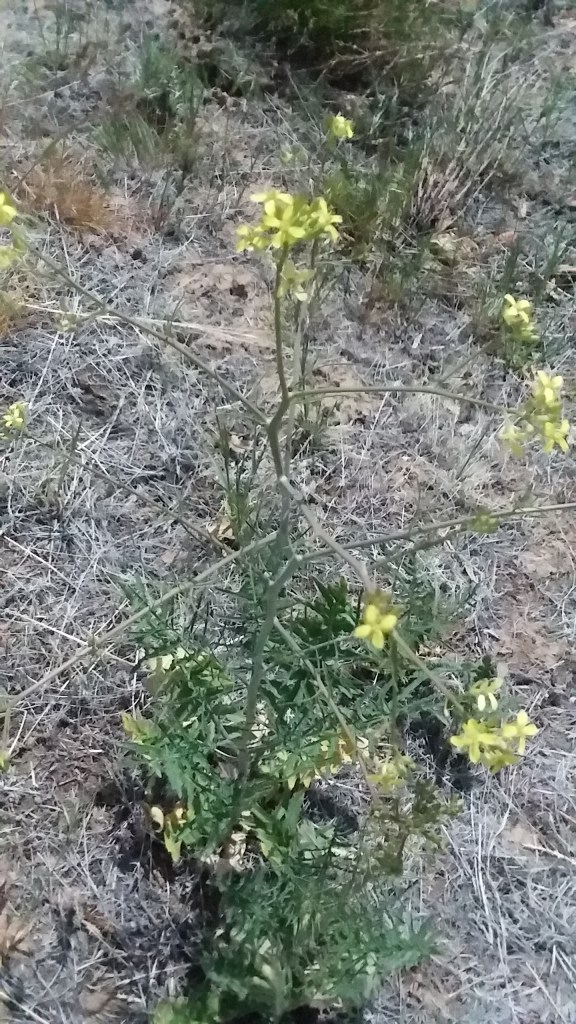
We left and went deeper into the desert to see what we could see. Luckily, the cactus was beginning to bloom. I found a handful of wildflowers as well.

It was a good day all in all, but it made me start to reconsider my residence. It’s impossible to be a farmer without water. Perhaps it’s time to go east….